

 Johann Hunt
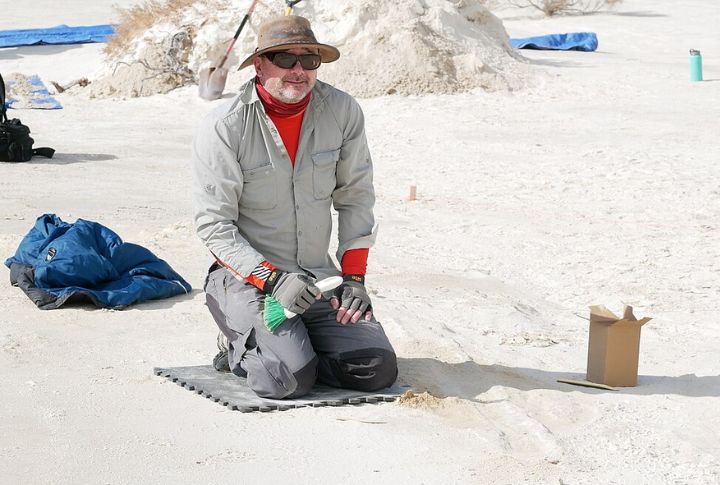
Humans were not expected to exist in this terrain 20,000 years before history said it was possible. Ancient footprints discovered at White Sands National Park are rewriting everything we thought we knew about the first Americans. They are proof that early humans defied impossible odds. What else are the sands still hiding?
Discovery Of Footprints In Unexpected Terrain
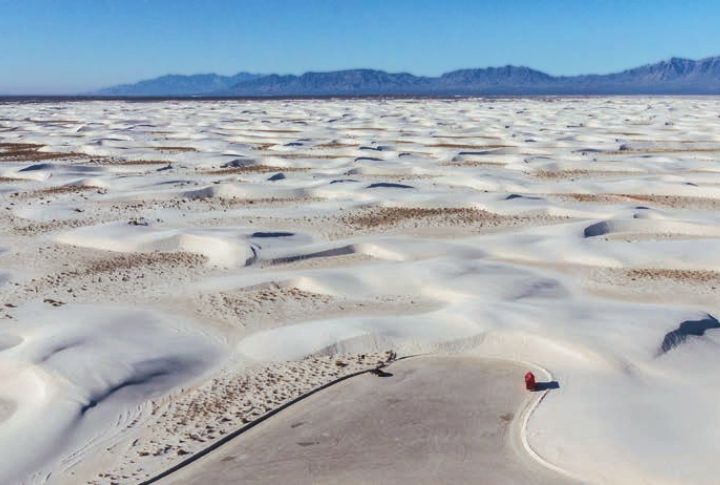
Matthew R. Bennett and David Bustos, the lead scientists, were stunned when ancient human footprints surfaced in White Sands National Park, right in a place experts long believed was too harsh for early people to walk. These tracks appeared on Alkali Flat, the dry bed of ancient Paleolake Otero.
Dating Methods Reveal Ancient Origins
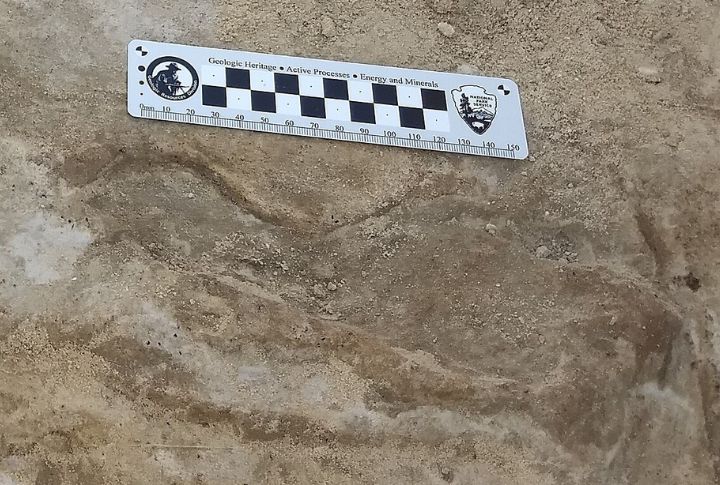
When researchers radiocarbon-dated the mud and fossil seeds around the prints, the results were jaw-dropping: humans had walked here 21,000 to 23,000 years ago. Independent labs ran their own tests and got the same numbers, which confirmed the premise.
Geological Context Of The Sandy Site
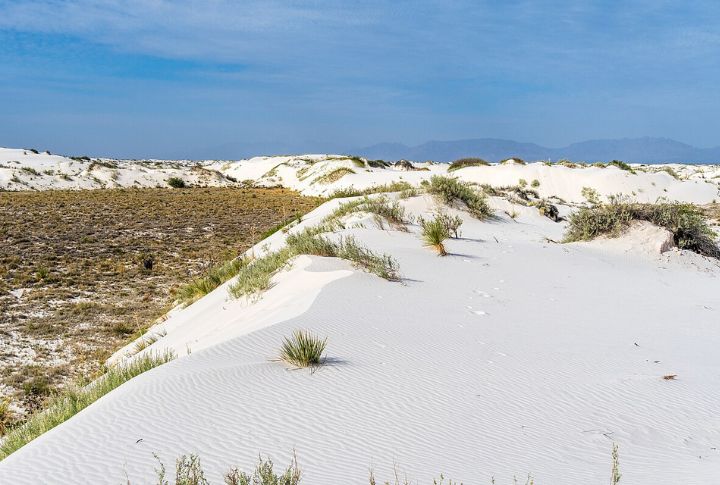
The footprints sit in sediment left behind by Paleolake Otero, preserved in the shifting sands of Alkali Flat. This terrain held the stories of mammoths and giant ground sloths, apart from human prints. Researchers even found three distinct types of grooves, likely carved by human-pulled travois.
Challenges To Established Migration Timelines
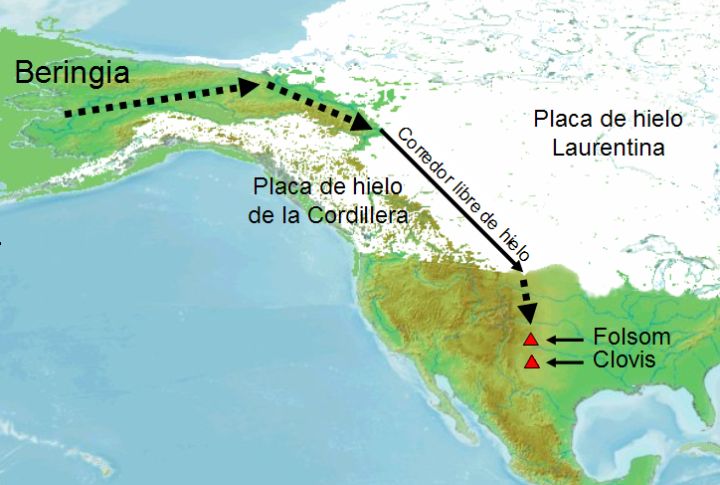
These White Sands footprints force scientists to rethink everything about how and when humans arrived in the Americas. They appear thousands of years earlier than the accepted 16,000-year timeline—during a period when the “ice-free corridor” from Alaska was blocked.
Evidence Of Human Presence In Forbidden Zones
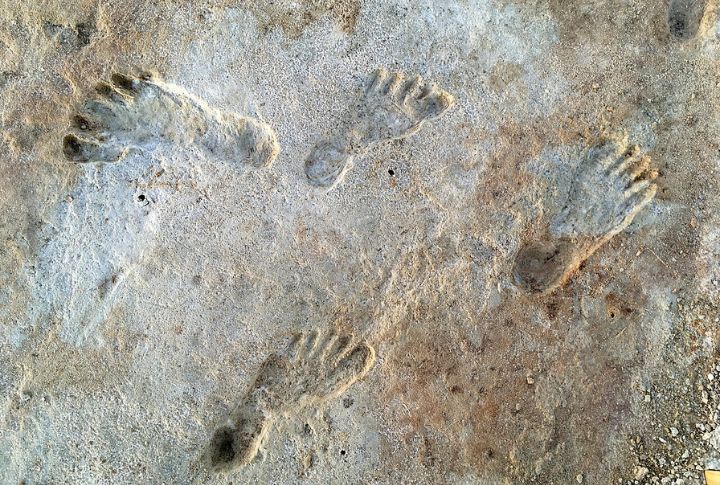
Finding footprints in a region long considered unlivable during the Ice Age was the plot twist no one expected. These tracks show humans were active in an arid area far earlier than once believed. Similar discoveries in places like Saudi Arabia are reshaping our ideas of where early people went.
Scientific Debate Over Footprint Authenticity
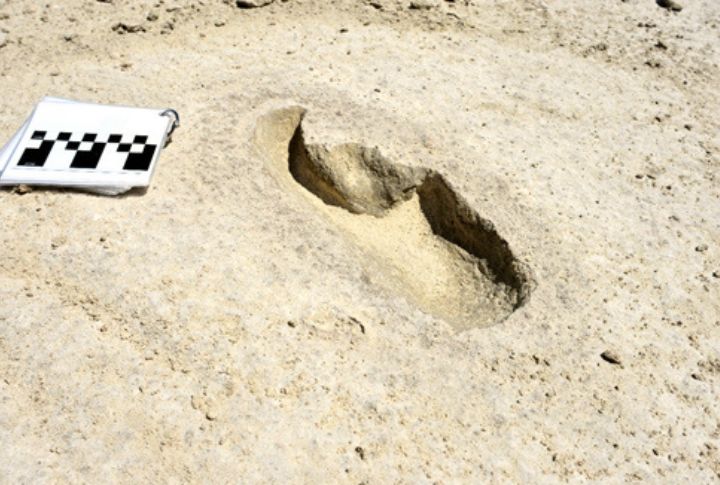
Not everyone agreed at first. Some scientists questioned the dating because no tools or campsites were found nearby. That skepticism led to more radiocarbon tests, which confirmed the original dates. Still, the debate continues to keep pre-Clovis migration theories alive and the mysterious, tool-less footprints at the center of the discussion.
Implications For Early Human Mobility
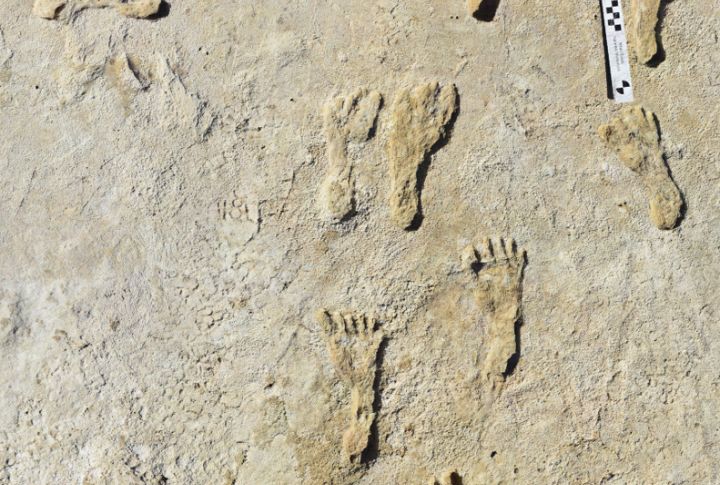
These tracks show humans were in North America long before migration models predicted. They even hint at early transport methods: grooves suggest people dragged loads using travois thousands of years before the wheel existed. Smaller footprints imply children helped too, which turned everyday survival into a family effort.
Comparisons With Other Prehistoric Trackways
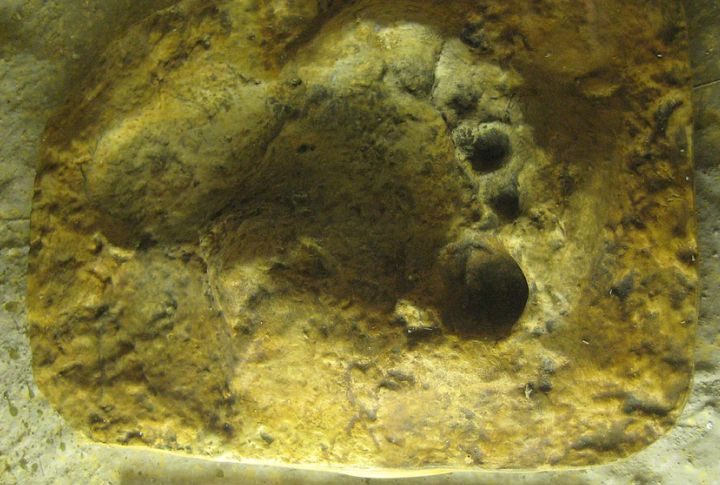
White Sands is not alone in preserving ancient footsteps. Portugal’s coast revealed Neanderthal prints in fossilized dunes, proving they roamed sandy shorelines. Similar trackways worldwide capture human and animal movement, offering rare glimpses into prehistoric life and migration across diverse landscapes.
Environmental Clues Hidden In The Sands
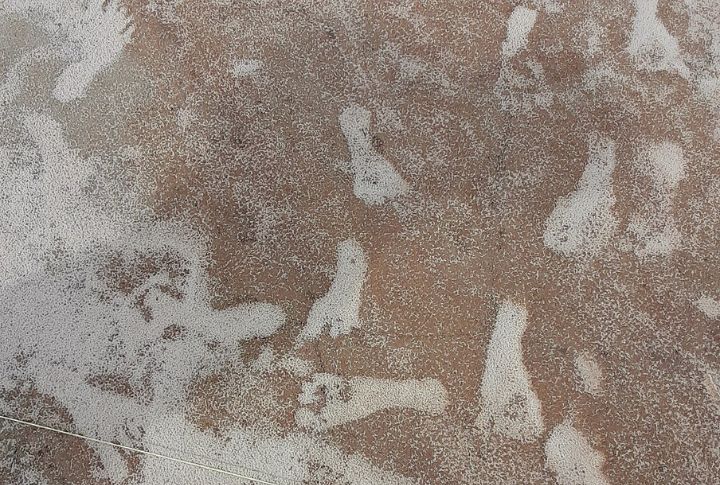
Layers of pollen, seeds, and extinct animal tracks buried around the footprints offer a window into the Ice Age world. What’s now a dry flat was once a lakeshore. Wind and rain still uncover new prints today, which show human steps hidden for more than 20,000 years.
Preservation Challenges And Modern Threats
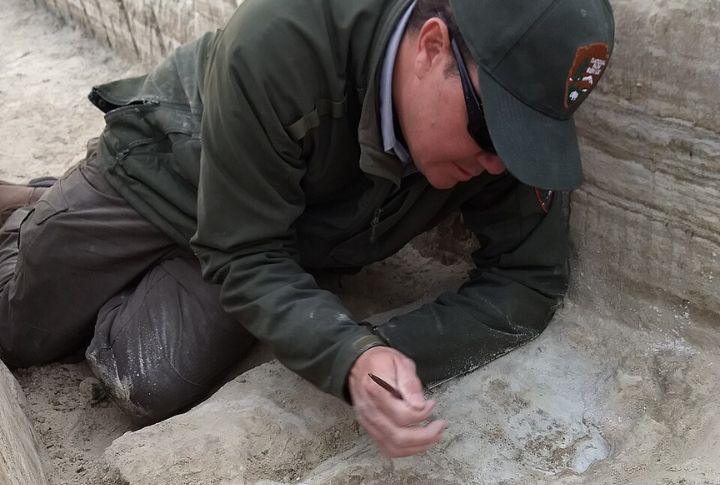
While the footprints survived for thousands of years, their future is fragile. Wind erosion, rainfall, and human activity can quickly damage exposed tracks. Scientists are racing to document and protect them before natural forces erase these rare records of Ice Age life.