

 Johann Hunt

Relationships today seem to implode before they even get off the ground, and it’s not just bad luck or poor timing. Something fundamental has shifted in how people connect, commit, and communicate with each other. The patterns are consistent across demographics and geographies, pointing to larger cultural and technological forces at play. Understanding these dynamics matters if you want your own relationship to survive. Let’s examine what’s actually happening.
Digital Distractions Erode Presence From Day One
Phubbing—ignoring your partner for your phone—triggers feelings of ostracism, according to an NIH study. It creates perceived exclusion that kills relationship satisfaction quickly. Coined in 2012, phubbing now shows up in over 60% of young adults’ breakup stories as the thing that ended it all before it even started.
Social Media Comparisons Fuel Instant Dissatisfaction
Scrolling through curated highlight reels makes people question their own relationships constantly. Pew Research found 23% of users feel insecure about their partnerships due to what they see online. The FOMO phenomenon evolved into “relationship FOMO,” where people impulsively break up after seeing someone else’s picture-perfect vacation or date night.
Hectic Lifestyles Starve Emotional Intimacy
Demanding gig economy careers leave no quality time for emotional connection or bonding. Work stress bleeds into relationships and accelerates conflicts when partners can’t adjust quickly. Nowadays, couples joke about scheduling “cuddle breaks” like business meetings just to stay connected and avoid drifting apart completely.
Ideological Divides Amplified By Polarized Media
Social media deepens partisan divides and strains romantic trust to the breaking point. By 2025, “mixed marriage” humorously refers to Democrat-Republican couples navigating political minefields daily. Dating apps now feature “politics filters” specifically designed to help people avoid early explosions over beliefs neither side will budge on.
Dating Apps Promote A Disposable Mindset
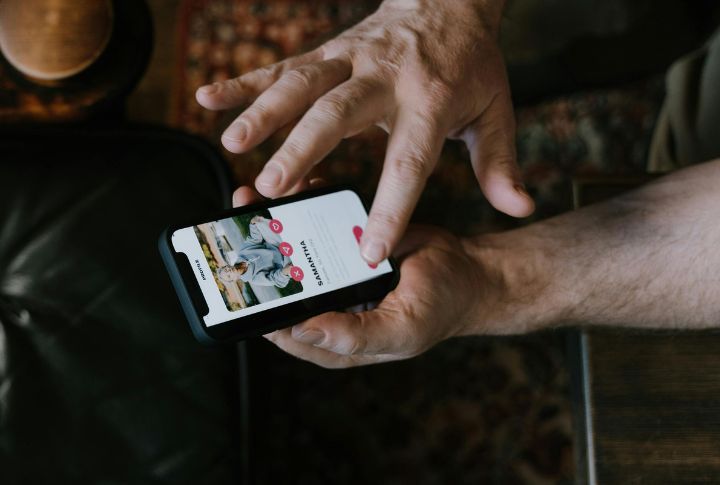
Swipe culture encourages shallow connections and zero tolerance for anything imperfect. The endless options create emotional numbing and constant rejection loops. App users feel disposable because there’s always another match waiting. Tinder launched in 2012 and inspired “swipe fatigue,” where people treat potential partners like items in a shopping cart.
Unhealed Childhood Wounds Trigger Rapid Conflicts
Childhood traumas show up as insecure attachment styles that escalate conflicts instantly. Unresolved wounds cause avoidance or anxiety that surfaces early and kills things fast. Neglect in childhood predicts negative behaviors in adult partnerships. The 1980s “inner child” concept now includes apps for “trauma journaling,” where people joke about dating their past selves.
Long-Distance Demands From Career Mobility
Physical distance erodes intimacy because limited face-to-face time prevents shared routines from forming naturally between partners. Long-distance relationships inspired the 1997 film “Going the Distance,” but now they’re called “Zoom romances.” Couples joke about their emotions buffering like bad internet connections during video calls that replace actual presence.
Instant Gratification Culture Bypasses Foundations
People prioritize quick thrills over building anything real, and the constant need for instant satisfaction rewires brains away from patience and long-term thinking. When everything feels disposable and replaceable, relationships become just another thing to consume and discard. Nobody wants to invest effort when immediate pleasure feels easier and more accessible right now.
Rising Narcissism Prioritizes Self Over Partnership
Narcissism drives selfish behaviors and hypersensitivity that kill compromises before they can even happen. The moment self-focus becomes the priority, trust erodes quickly in the early stages of relationships. Social media acts as a “narcissism nursery” where selfies and personal branding matter more than actual connection.
Rushing Based On Infatuation Ignores Compatibility
Emophilia—rushing into love—means ignoring red flags because feelings override logic completely. Infatuation’s short lifespan prompts hasty commitments that collapse when reality replaces the fantasy. Moving too fast reflects impulsivity or insecurity, creating bonds that can’t sustain themselves long-term.