

 Emily Flores
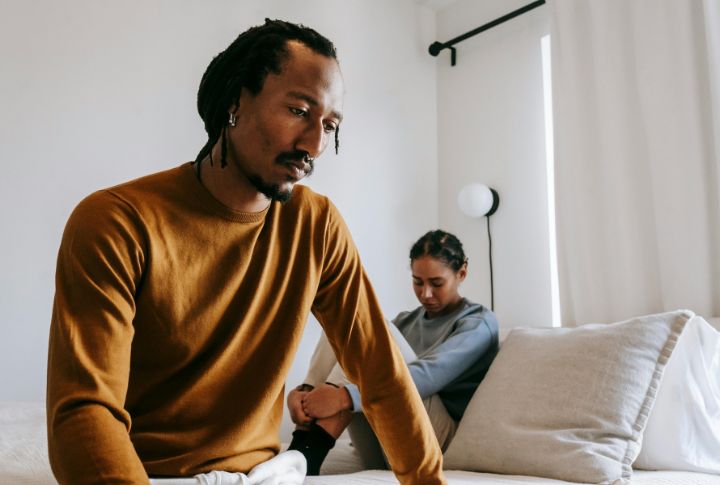
You know that moment when you’re telling your friend about someone you’re dating, and before you’ve even finished describing your second date, they’re already listing off “red flags” like they’re reading from a checklist? Welcome to modern romance, where every quirk, hesitation, or slightly awkward text message gets diagnosed as a relationship dealbreaker. We’ve become so obsessed with spotting red flags that we’re essentially training ourselves to see danger everywhere—and it’s turning the already complicated world of dating into an absolute minefield.
What started as a genuinely helpful framework for identifying genuinely toxic behavior has morphed into something far more destructive: a hypervigilant culture where people are being eliminated from the dating pool for the most minor infractions, and where genuine human connection is being sacrificed at the altar of supposed self-protection.
Safety Tool To Rejection Shortcut
The concept of red flags originally emerged from domestic violence advocacy and psychology, designed to help people identify patterns of controlling, manipulative, or abusive behavior early in relationships. These were serious warnings: constant monitoring of your whereabouts, isolation from friends and family, explosive anger over minor issues, or refusal to respect boundaries. Fast forward to today’s social media landscape, and the term has been diluted beyond recognition. Now, everything is a red flag.
Does someone take a while to text back? Red flag. Are they close with their ex? Red flag. They don’t like your favorite TV show, split the bill on the first date, or have a messy car? Red flags, red flags, red flags. The problem isn’t that people are being cautious—it’s that we’ve lost all sense of proportion. We’re treating normal human imperfections with the same gravity as genuinely harmful behaviors, and that’s creating a dating environment where nobody can possibly measure up.
The Paradox Of Infinite Choice
Dating apps have given us unprecedented access to potential partners, but this abundance has created a paradox that psychologist Barry Schwartz calls “the tyranny of choice.” When you have seemingly endless options, you become less tolerant of any perceived flaw because you assume someone better is just a swipe away. Red flag culture feeds directly into this mindset, permitting us to discard people instantly without having to sit with the discomfort of uncertainty or the work of actually getting to know someone.
Research from Michigan State University found that people using dating apps are more likely to judge potential partners on superficial criteria and less likely to commit, precisely because they’re constantly aware of alternative options. We’re so busy scanning for what’s wrong that we never give anyone a chance to show us what’s right. The irony? All this vigilance is making us lonelier.
Learning To Navigate Gray Areas
The path forward isn’t to ignore genuinely concerning behavior, but to rediscover nuance. Real relationships exist in gray areas, built by two imperfect people learning each other’s rhythms, communication styles, and quirks. Someone being occasionally forgetful isn’t the same as someone being chronically unreliable. Having different interests isn’t about being incompatible. It’s about being two separate humans. We need to relearn the difference between boundaries and barriers, between protecting ourselves and building walls so high that nobody could possibly climb them.