

 Grayson West
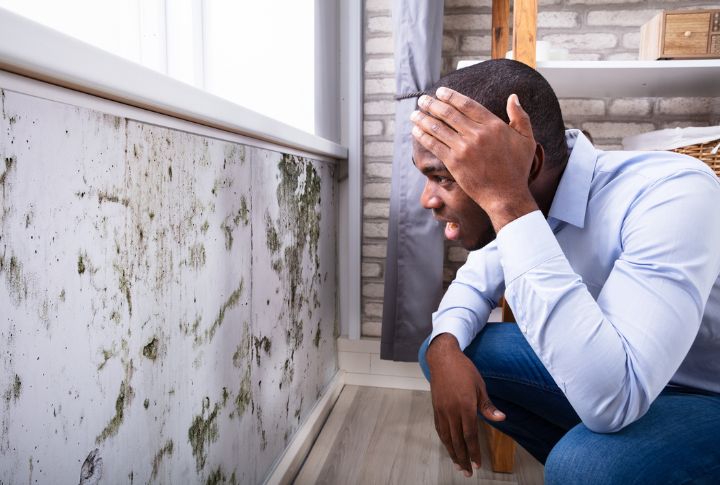
Knowing what can trip up a home inspection is important when buying a house or keeping yours in shape. These are 15 common culprits that can cause concerns, but don’t worry; armed with this knowledge, you can tackle these problems head-on.
Foundation Cracks
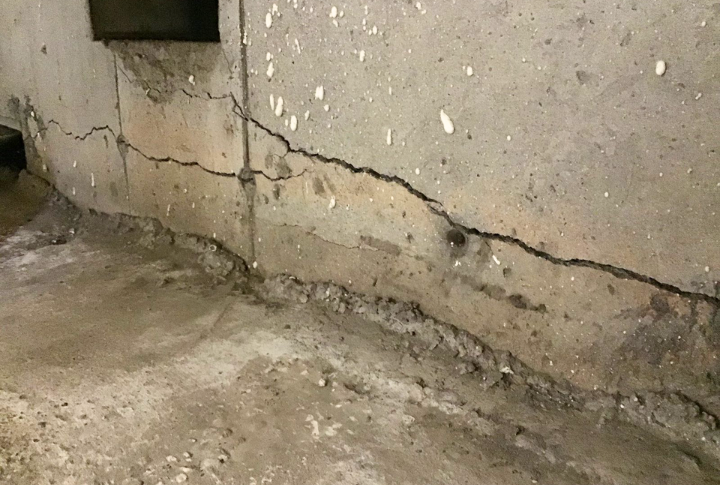
Cracks in the foundation seriously threaten a house’s safety by weakening its structure. While repairing these might be expensive, it’s essential to keep the home stable for all its occupants, and addressing them immediately prevents further catastrophe.
Roof Disrepair

Degraded or leaking roofs are major red flags during home inspections, as they can bring about extensive water damage, promote harmful mold growth, and result in significant constructional deterioration over time. By tackling these troubles promptly, you can avert additional harm.
Outdated Electrical Systems
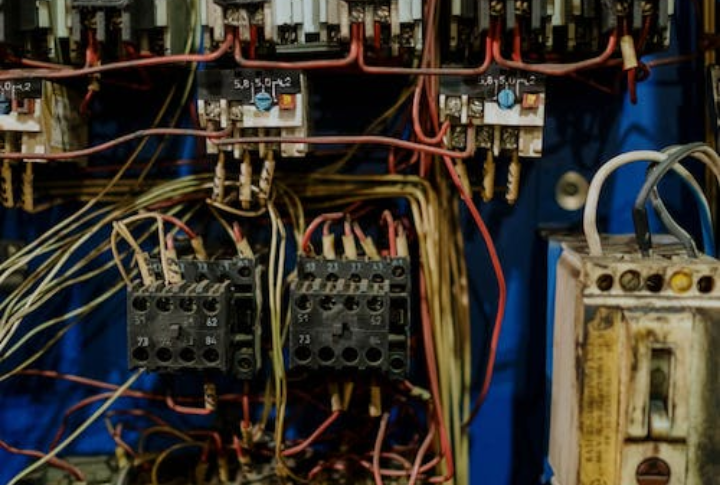
These old setups can be risky, especially with fire hazards. Inspectors check for ancient wiring and electrical panels that aren’t up to today’s standards. Upgrading these lines is necessary to keep things up to code, and ignoring these faults increases the risk of electrical fires.
Mold Invasion
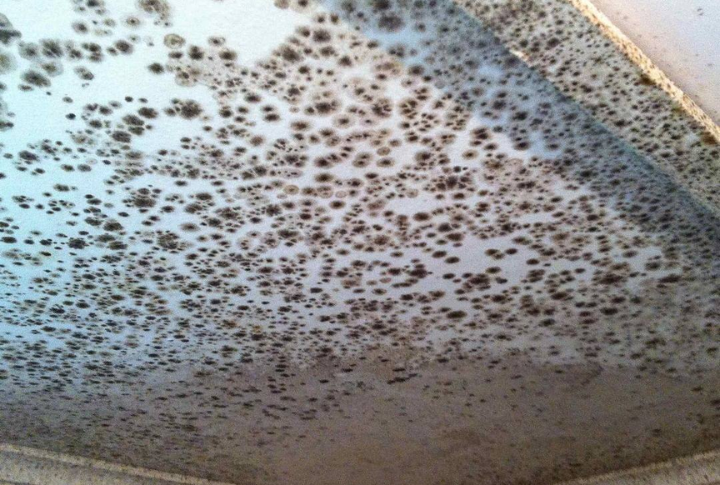
Mold infestation indicates moisture problems in your house and can affect air quality and health. Inspectors identify them as a pertinent issue requiring immediate remediation. Dealing with the source of moisture and removing the mold are essential actions to resolve this snag.
Faulty HVAC Systems
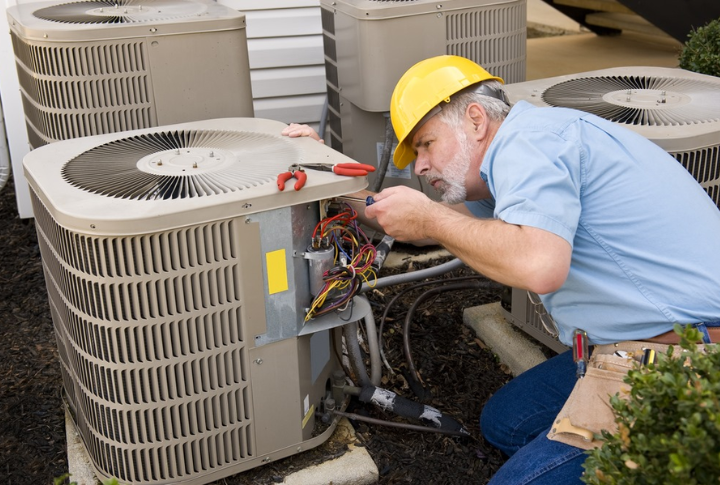
Faulty heating and air conditioning (HVAC) systems can seriously undermine your home’s comfort and increase energy bills. During inspections, these are carefully evaluated to make sure they function correctly. To avoid inefficiency and potential hazards, it’s wise to regularly maintain and repair these units, ensuring they operate smoothly and economically.
Pest Infestations
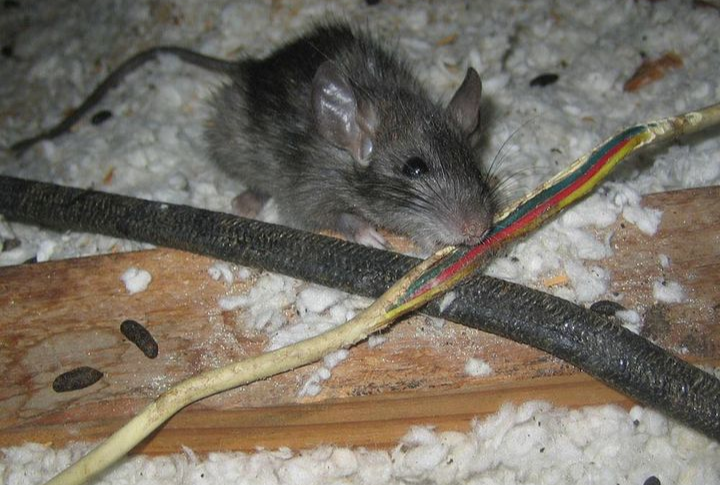
Termites and rodent infestations can cause extensive impairment to the home’s structure. Detecting signs of infestation is an integral part of the inspection process. Professional extermination and ongoing pest control measures are recommended to address this predicament.
Dangerous Decks and Balconies

Decks and balconies must be structurally sound and safe; inspectors evaluate these structures for signs of wear, instability, or code violations. They must be constructed and maintained correctly to guarantee stability.
Plumbing Challenges
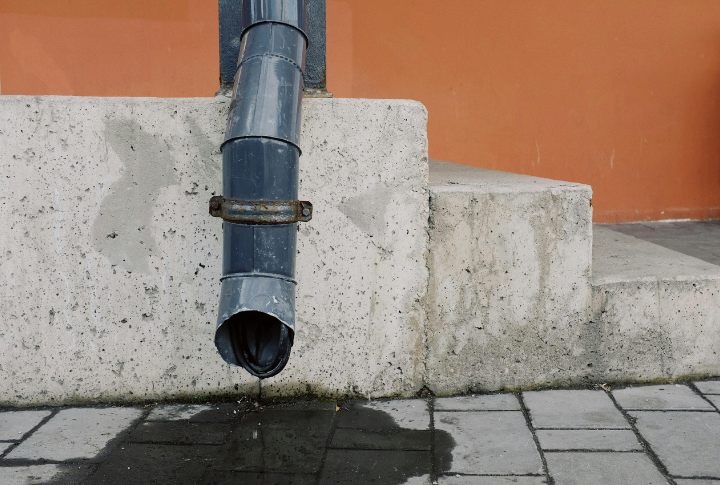
Leaking pipes and outdated plumbing systems result in severe water damage and expensive repairs. Specialists meticulously inspect them to identify such grave faults. Prompt upgrades are required to prevent further nightmares, maintain optimal system functionality, conserve water, and reduce expenses.
Broken Windows and Doors
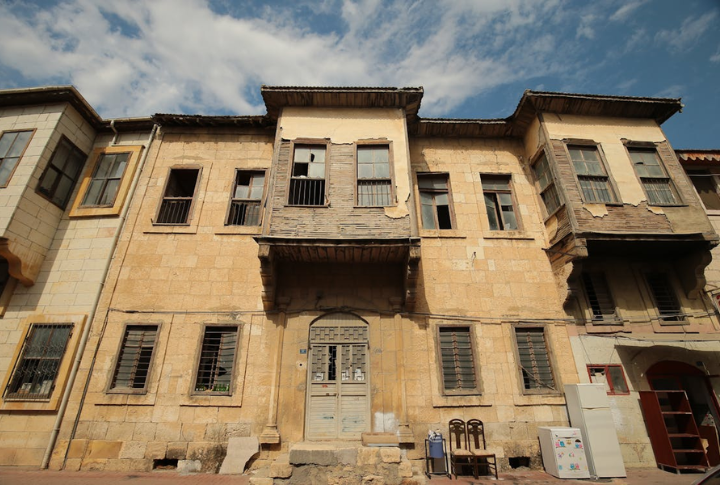
Windows and doors that are compromised or malfunctioning can undermine a home’s security and energy efficiency. Professionals examine these features, suggesting fixes or replacements to insulate the building better and significantly reduce energy loss.
Presence of Asbestos or Lead Paint
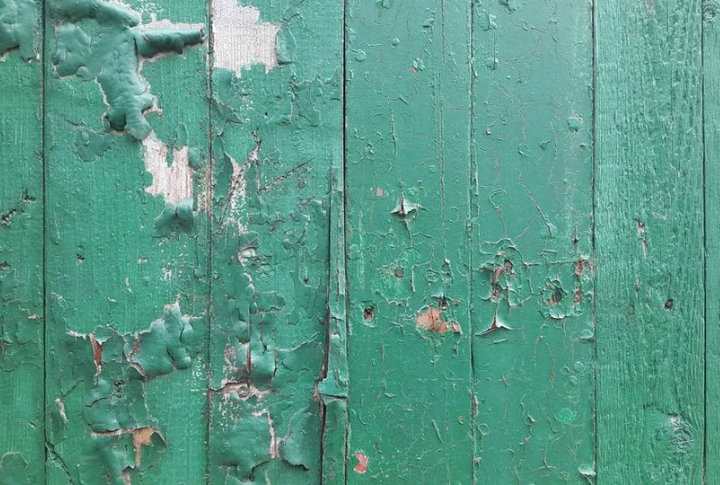
Finding asbestos or lead paint in a home is a grave health concern, especially in older buildings. These materials, once standard, are now known dangers that can harm your health. Property examiners flag them so you can take steps to remove or manage these risks safely.
Poor Drainage
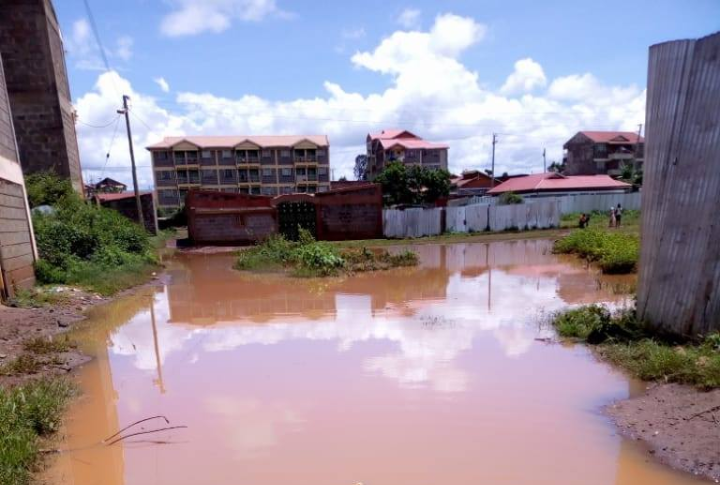
Home inspectors check for effective drainage systems since improper drainage can accumulate water around the foundation, causing structural deterioration and mold growth. Proper landscaping and gutter maintenance are vital in managing water flow around the house.
Inadequate Insulation
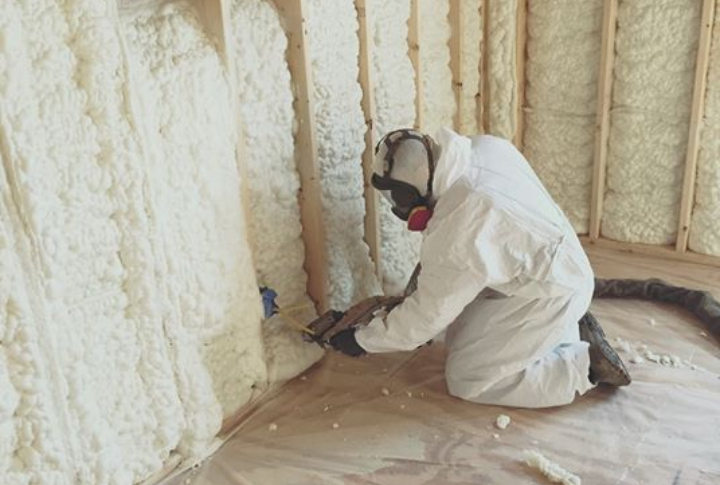
Homes lacking good insulation contribute to higher energy consumption and reduced comfort. Experts assess heat retention and advise on insulation upgrades to enhance efficiency and comfort. These improvements secure a warm, energy-efficient living space for all residents.
Suboptimal Water Heater
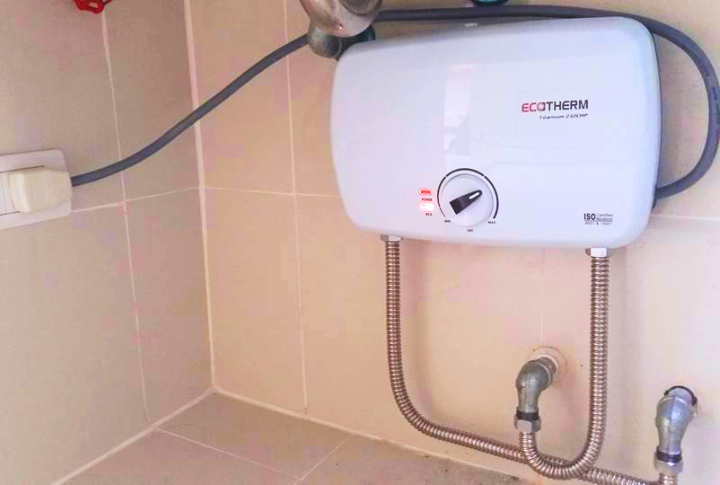
It affects the hot water supply and energy use, and the home examiners examine these units for age, condition, and functionality. Regular upkeep or replacement is advised to guarantee reliable and efficient hot water.
Non-Compliant Home Additions
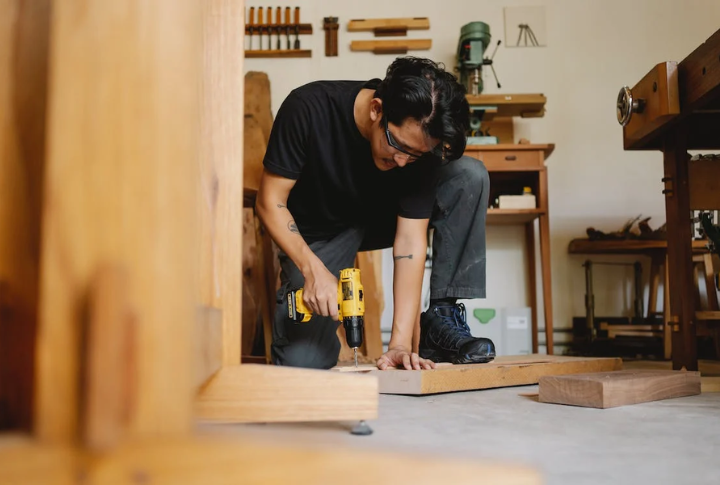
Invigilators check for permits and code compliance, and those home modifications that do not comply with local building codes can fail the scrutiny. Ensure all additions are properly permitted and built as per the code for legal purposes.
Structural Issues
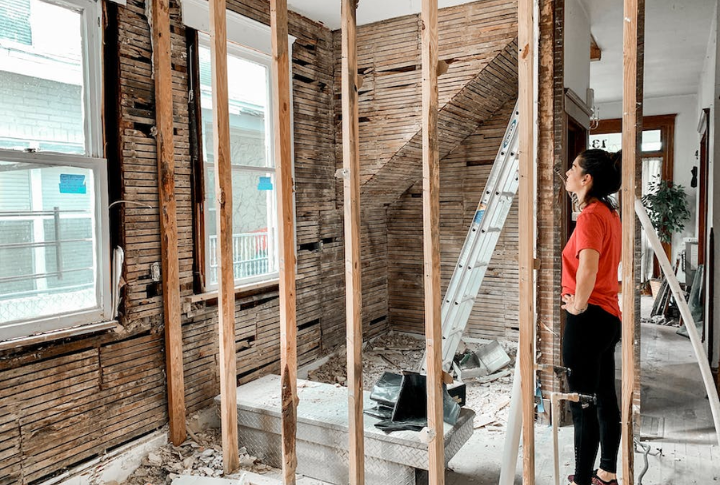
Structures with compromised integrity, such as dipping floors or protruding walls, pose dangers. Inspectors scrutinize these complications closely, recommending repairs to ensure the home’s lasting security and stability. These steps are necessary for maintaining a secure and firm living environment.
Comments
Loading…