

 Emily Flores
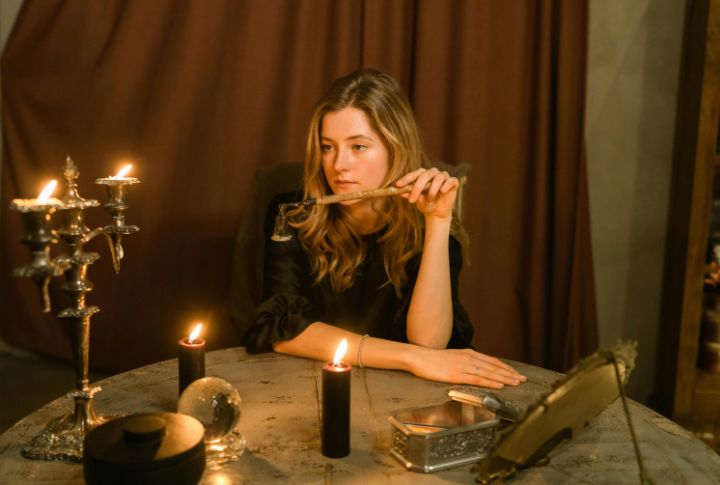
As winter’s darkest days arrive, cultures everywhere turn to rituals that promise warmth and protection. These time-honored traditions may seem mystical, yet many carry hidden benefits that modern science can appreciate. From boosting mood to supporting immunity, winter customs often do more than people realize. Read on to discover how ancient wisdom still shapes our coldest season.
Japanese Yuzu Baths Ward Off Winter Colds
Japanese people soak in hot water with yuzu citrus during winter solstice. This Edo-era tradition stops sickness and chases evil spirits on the darkest day.
The Science: Yuzu has limonene that kills bacteria. Hot baths improve blood flow and cut stress hormones, helping fight colds when temperatures drop and illnesses spread more easily.
Korean Red Bean Porridge Drives Away Negativity
Patjuk gets eaten on the longest night by Koreans who believe it wards off ghosts and bad energy. Red represents protection in shamanistic beliefs during winter darkness.
The Science: Adzuki beans pack antioxidants and polyphenols that fight inflammation. These nutrients support gut health and protect against seasonal sickness, giving this old custom real health benefits.
Persian Watermelon Protects Against Seasonal Extremes
Ancient Persians ate watermelon during Shab-e Yalda because they believed it guarded from winter cold and summer heat. Red flesh symbolized dawn returning after darkness.
The Science: Watermelon has vitamin C that boosts white blood cells and cuts inflammation. These benefits strengthen immunity when winter bugs become common, making this ancient fruit choice surprisingly smart.
Norse Yule Logs Safeguard Homes From Misfortune
For Norse pagans, burning a Yule log during the solstice symbolized protection, prosperity, and the power of returning light. Families even saved the ashes for fertility blessings and treated them as tokens of good fortune.
Science offers a practical angle. Burning wood releases phenolic compounds that disinfect the air, and the fire provides warmth to prevent hypothermia, both legitimate defenses during winter.
Chinese Tang Yuan Brings Family Unity
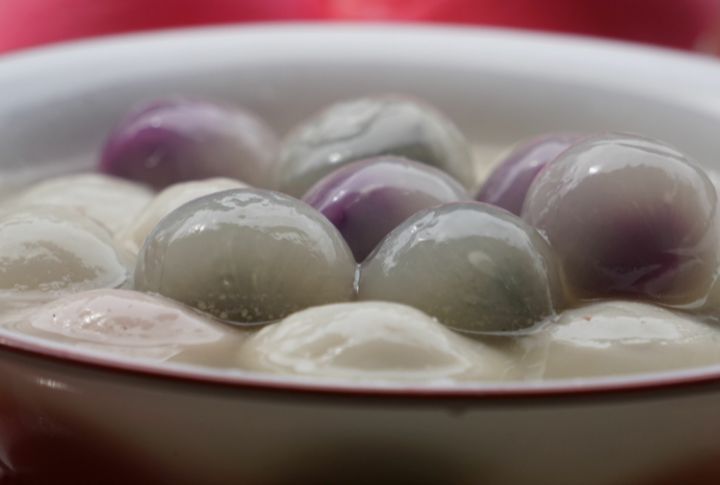
During the Dongzhi Festival, families gather to eat glutinous rice balls called tang yuan. Their perfectly round shape represents harmony and good fortune as the dark season begins to shift toward longer days.
From a scientific view, the complex carbohydrates in glutinous rice help stabilize blood sugar and naturally increase serotonin. This helps boost mood and lower stress during low-sunlight months when many people struggle emotionally.
Celtic Druids Renewed Energy At Stonehenge
Ancient druids marked the winter solstice at Stonehenge, believing the alignment of sunlight with the stones restored spiritual energy and cleared negativity. The gathering symbolized hope as the sun’s power slowly began returning.
Science supports the benefits differently: sunlight exposure boosts vitamin D and helps prevent seasonal depression, while community gatherings reduce isolation and boost emotional well-being.
Brighton’s Burning Rituals Release Winter Fears
In Brighton, modern solstice festivals include burning handmade lanterns as a symbolic release of fear. Participants write worries on paper before the flames consume them, echoing ancient fire rituals meant to clear old energy.
Psychology explains why this works: symbolic burning lowers stress hormones and mirrors therapeutic practices like CBT, helping people process emotions and reduce anxiety.
Hopi Prayer Sticks Invoke Ancestral Blessings
For the Hopi, crafting decorated pahos during the winter solstice was a way to call on ancestral spirits for fertility, abundance, and community well-being. The ritual marked purification and the symbolic return of the sun.
Psychology now confirms that intentional rituals like this reduce stress, strengthen resilience, and improve clarity. They can also help with important planning decisions, including those related to agriculture.
Pagan Candles Summon Prosperity And Growth
Pagans light candles at dusk during the solstice to mimic the rebirth of the sun and attract prosperity as daylight slowly returns. The tradition connects with Wiccan practices and celebrations like St. Lucia Day, symbolizing hope overcoming darkness.
Scientifically, candlelight can help regulate melatonin and ease symptoms of seasonal depression. This gentle light exposure has measurable mental health benefits during the darker winter months.
Italian Befana Rewards Virtuous Children
In Italy, children leave offerings for La Befana in exchange for gifts near the solstice. Blending pagan and Christian traditions, this ritual reinforces kindness and good behavior with magical rewards leading up to Epiphany Eve.
Psychology recognizes this tradition as operant conditioning—a system that strengthens positive behavior through rewards, especially effective for children developing moral awareness.