

 Devin Jacobs

You probably think your beliefs are entirely your own—products of careful thought and independent reasoning. But dig a little deeper, and you’ll find many of them arrived pre-packaged from sources you never questioned. They quietly shaped what you consider “just common sense.” These influences work silently, embedding themselves so naturally that you forget they came from somewhere else. Let’s uncover the hand-me-downs you’ve been carrying.
Family Stories About Success
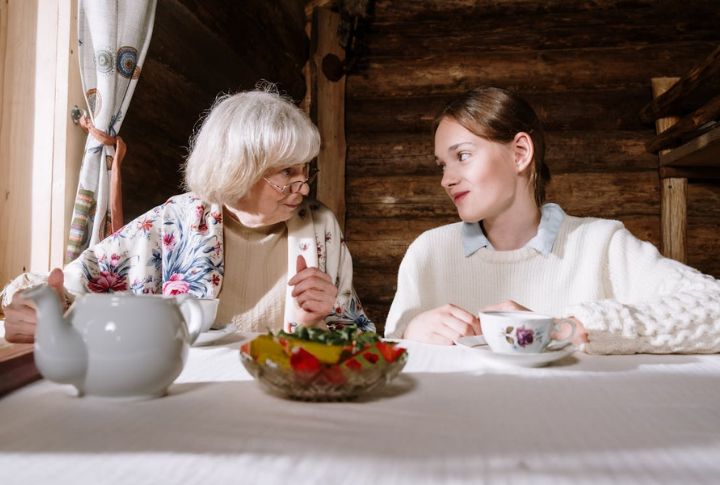
Remember those tales about how grandpa worked his way up from nothing? Those stories taught you that hard work always pays off. They made you believe that anyone can make it if they just try hard enough. You absorbed these lessons without realizing they were shaping your entire worldview about success and failure.
Sayings You Grew Up Hearing

“A penny saved is a penny earned.” “Honesty is the best policy.” These weren’t just cute phrases—they programmed your values. You think being thrifty is your personality, but really, you’re just repeating what got drilled into you. These proverbs became your moral compass without you noticing.
Movies And Their Hidden Lessons

Every hero-versus-villain movie taught you that the world is black and white. Good guys win, bad guys lose. Rags-to-riches stories convinced you that redemption is always possible. That wise mentor character made you trust authority figures because of hundreds of movies with the same plot.
What School Didn’t Tell You

Your history textbook picked which heroes to celebrate and which stories to skip. You learned about progress and greatness, but someone decided what deserved space on those pages. What you think is objective history is actually someone’s editorial choice. The gaps matter as much as what’s included.
Religious Traditions
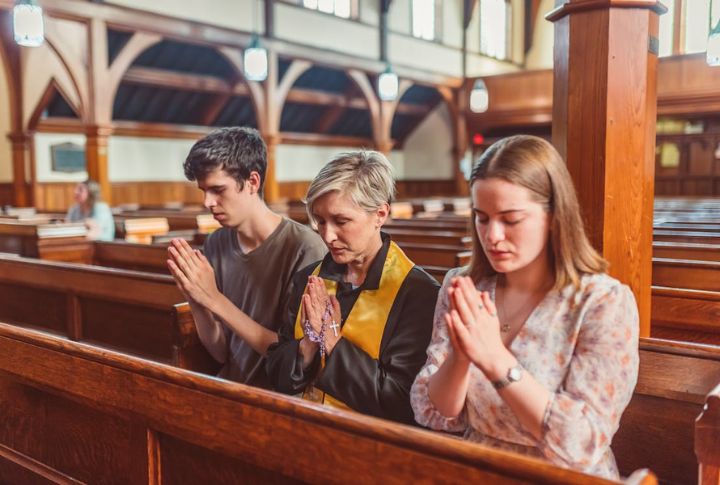
Weekly prayers, holiday rituals, symbolic ceremonies—these weren’t just traditions. They quietly installed moral rules you now think came from within. You view these beliefs as personal spirituality, but they’re actually inherited from generations of family practice. The rituals made the beliefs stick.