

 Devin Jacobs

Ancient bones buried deep in African soil are rewriting what we thought we knew about our shared human story. New genetic breakthroughs are finally pulling back the curtain on migrations and “ghost populations” that vanished without a trace—yet still live on in your DNA. The answers hiding in these fragments might surprise you.
Uncovering Ancient DNA
Scientists have been able to extract ancient human DNA from bones found in eastern and south-central Africa. The oldest samples we currently have fall between 5,000 and 18,000 years old, which offers clues about movements and relationships among early African communities.
The African Origins Of Modern Humanity
Ancient DNA reveals that every person alive today can trace their ancestry back to three major African populations—groups living in eastern, southern, and central regions who mixed and migrated about 50,000 years ago. Africa’s genetic diversity remains unmatched, even though fewer DNA samples come from the continent.
Three Tribes At The Root Of Human Lineage
Despite popular claims, no DNA from 50,000 years ago directly links all humans to the San, Mbuti, or Dinka. What researchers do see is a three-way ancestry pattern based on DNA among ancient foragers from various parts of Africa.
Genetic Evidence From Libyan Rock Shelters
DNA recovered from the Takarkori rock shelter in Libya revealed a previously unknown ancient lineage, which hints at isolated groups living in North Africa long ago. While fascinating, the oldest verified African DNA still comes from Tanzania, Malawi, and Zambia.
How DNA Connects Global Populations To Africa
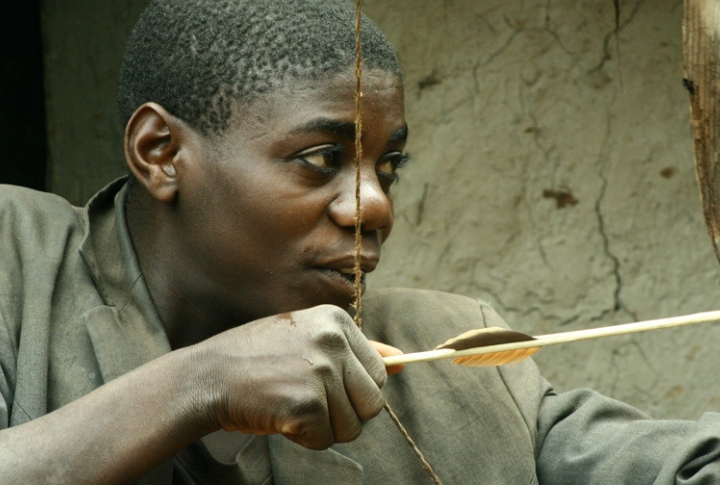
Genetic studies show that about 50,000 years ago, groups across various aspects of Africa began mixing more frequently. Their long-distance connections created a kind of continental “melting pot,” and those mixed ancestries eventually shaped the DNA carried by people around the world today.
Migration Patterns Beyond The Sahara
People in Africa traveled surprisingly long distances to find partners and exchange knowledge. By about 20,000 years ago, those movements became more local as harsh Ice Age conditions pushed communities to settle near reliable resources. These shifts are reflected in patterns seen in ancient DNA.
Interdisciplinary Research Teams And Their Findings
Behind these discoveries is an international team of 44 researchers, along with African museum curators who safeguarded fragile remains for decades. By combining artifacts with ancient DNA—some up to 18,000 years old—the team pieced together a clearer picture of early population changes across the continent.
The Role Of Archaeological Discoveries In Human History
Beads and symbolic art began appearing more widely around 50,000 years ago, which marked a turning point in human culture. These artifacts line up with major population changes detected in ancient DNA to help researchers understand how early Africans shared tools and traditions over thousands of years.
Challenges In Tracing Ancient Genetic Links
Recovering DNA in Africa is notoriously difficult because heat and humidity break genetic material down. Later migrations add another layer of complexity, which blurs the traces of populations that lived 50,000 years ago. Even so, ancient DNA still uncovers lost lineages. This includes mysterious “ghost” groups that left no fossils.
Implications For Understanding Human Evolution Today
Together, archaeological clues and ancient DNA reveal how population shifts and cultural transitions shaped modern human diversity. These findings also highlight how much remains unknown, especially in Africa—an area long overshadowed by European DNA studies. Researchers say this new work marks only the beginning of a deeper understanding.