

 Devin Jacobs
It’s easy to celebrate Kwanzaa without fully understanding it. Many common actions strip the holiday of its deeper meaning, leaving tradition behind. And the important parts of the celebration are often overlooked in favor of quick fixes or surface-level gestures. Curious about the most common ways people miss the point? Let’s take a closer look.
Treating Kwanzaa As A “Black Christmas” Substitute
Kwanzaa, created in 1966 as a cultural holiday for African-Americans, is not meant for gift exchanges like Christmas. While some families still include small handmade presents, the focus is on community, reflection, and heritage. Bright, festive colors can confuse outsiders into thinking it’s just another version of Christmas.
Ignoring The Seven Principles (Nguzo Saba)
The Nguzo Saba, or Seven Principles, are the foundation of Kwanzaa, each honored on a specific day. Skipping them undermines the holiday’s meaning. Kids usually memorize these principles like a chant, with Umoja, or unity, being the easiest to recall. Therefore, understanding and practicing them strengthens family and community bonds.
Hosting Parties Without Cultural Grounding
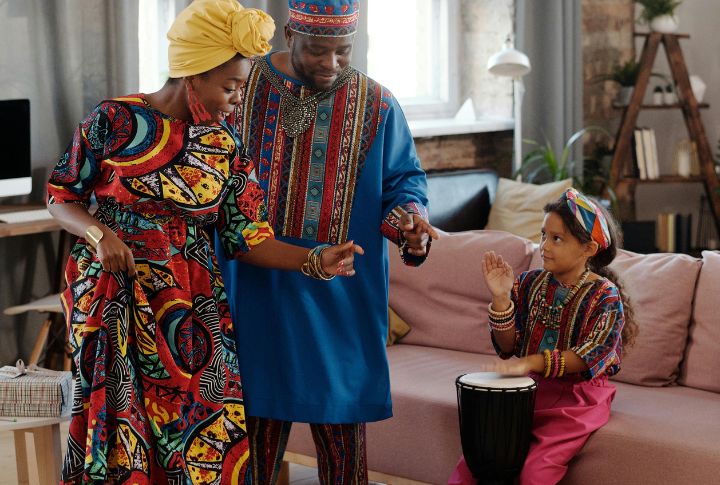
A Kwanzaa gathering is designed to center culture, values, and the stories families pass down. And music and storytelling help everyone connect to those ideas. If the event becomes mostly dancing and unrelated holiday snacks, the real purpose is overlooked. This leaves out the cultural depth that gives Kwanzaa its purpose.
Skipping Candlelighting Rituals
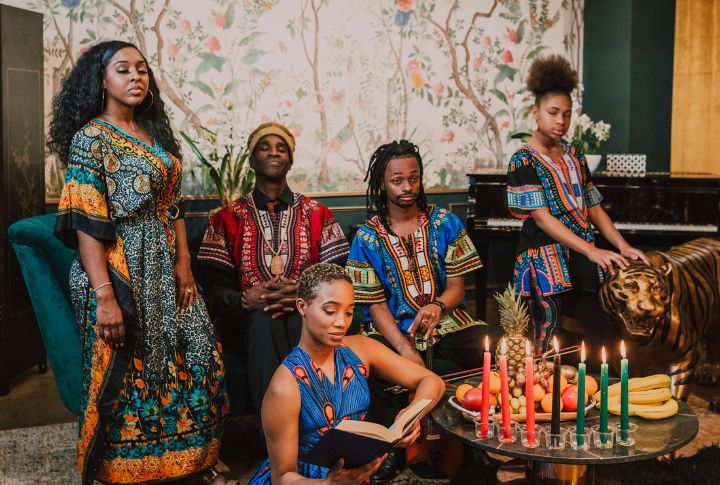
The daily candlelighting ceremony is essential in Kwanzaa, with each candle symbolizing a principle. So, missing the ritual takes away a key part of the holiday’s meaning. Children love taking turns lighting the candles, and families usually sing before or after, thereby turning the ritual into a meaningful moment of togetherness.
Mispronouncing Or Trivializing Swahili Terms
Words like Kuumba and Nguzo Saba carry the heart of Kwanzaa’s message. When they’re mispronounced or casually shortened, much of that meaning fades. Kids sometimes struggle with the harder words, and some adults replace the full terms with simpler phrases like “the seven,” but using the proper words keeps the holiday rooted in African tradition.
Centering Individual Achievement Over Community Uplift
Kwanzaa celebrates collective progress, not solo wins. The moment people turn celebrations into personal highlight reels, they’re missing the point entirely as the holiday exists to honor community goals and cooperation, and not individual trophies. Community uplift takes precedence over individual recognition.
Ending Celebrations After One Day
Celebrating only December 26 defeats the purpose. Kwanzaa spans seven days, so families can explore each principle properly. Skipping six days means missing the growth and cultural understanding that comes from the complete experience. You can’t rush meaningful tradition into one celebration.
Serving Random Holiday Foods
Kwanzaa meals are meant to reflect African heritage, using dishes that symbolize harvest and tradition. By serving random options like pizza, you take away the cultural meaning. Families can mix traditional foods with modern twists; however, the focus should remain on honoring ancestry and sharing meals that bring everyone together.
Using Kwanzaa As A Platform For Political Agendas
Using Kwanzaa gatherings to push partisan agendas completely misses the point. Politicians might drop it in holiday greetings, but families who truly celebrate keep politics out. The seven principles—like unity and self-determination—are what deserve attention, and not campaign talking points or divisive rhetoric.
Neglecting Storytelling And Oral Traditions
Storytelling brings Kwanzaa to life, yet many families skip it entirely. Kids love acting out ancestral legends or hearing family tales that connect past to present. Without these oral traditions, the holiday becomes hollow, just rituals without meaning. Stories teach values naturally and help principles stick.