

 Lisa O
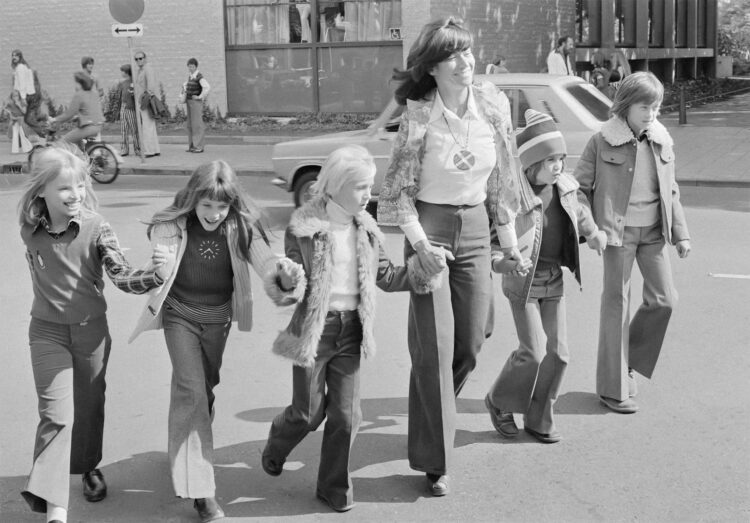
Life in the 70s was a strange mix of freedom, danger, and simplicity, wrapped in a haze of cigarette smoke and sunshine. Kids back then had fewer rules, more imagination, and far more exposure to questionable safety standards. These are the things only someone who lived through that era will fully understand.
Drinking Water Straight From the Garden Hose
No one thought twice about it. The hose lived outside, covered in dirt, spiders, and who knows what else, but if you were thirsty, you drank. The first blast of hot rubber-flavored water was part of the experience. It wasn’t just hydration; it was the official drink of summer chaos, and somehow everyone survived without filters or reminders to stay hydrated.
Riding Bikes Until the Streetlights Came On
Your bike was your entire social life. You left the house with no plan, no phone, and no adult supervision. The rule was simple: be home when the streetlights flickered on. Until then, you rode miles away, explored unfamiliar streets, and tested limits your parents never knew existed. That freedom built independence in a way modern kids rarely experience.
Sharing One Landline Phone for the Entire Household
The phone rang endlessly, and nobody screened calls because there was nothing to screen them with. When you answered, it could be a friend, a telemarketer, or your dad’s boss. And if you finally got to make your own call, everyone listened from the kitchen. There was no privacy, no personal ringtones, and absolutely no chance of a quiet conversation.
Saturday Morning Cartoons as a Sacred Ritual
Kids woke up early on purpose, which already tells you how special it was. You grabbed your cereal, parked yourself on the floor, and didn’t move until the last cartoon ended. If your sibling changed the channel without asking, wars started. It was the one time during the week when the TV fully belonged to you, and everyone planned their morning around it.
Getting Left Alone in the Car Without Anyone Calling the Police
Parents had errands, and kids were expected to sit patiently in the car while they ran inside. A cracked window counted as advanced safety protocol. You played with the radio, counted passing cars, or just stared into space. It was boring, but normal. No alarms, no panic, no lectures about child endangerment.
Using Encyclopedias to Finish School Projects
If the information wasn’t in the encyclopedia set on your shelf, you improvised. Research meant flipping through heavy volumes and hoping the picture didn’t have that outdated 1960s haircut that made everything look like ancient history. Kids didn’t Google; they settled for whatever knowledge the book provided and hoped their teacher didn’t notice the gaps.
The Absolute Chaos of Riding in the Back of Station Wagons
These giant cars were basically mobile playgrounds. You could sit backward, sideways, or sprawled across the floor. No one cared about seatbelts. Every bump threw kids around like popcorn, and parents never checked to see if you were safely buckled because no one was. It felt fun then, though in hindsight it was basically a slow-moving physics experiment.
Smoking Sections Everywhere
There wasn’t a building in existence without a cloud of smoke hanging somewhere inside it. Restaurants divided smokers from non-smokers by a vague, invisible line that did absolutely nothing. You sat in planes breathing secondhand smoke for hours and thought it was normal. The smell of cigarettes lived in every coat, curtain, and car seat.
The Thrill of Vinyl Records and Cassette Tapes
You couldn’t just hit play on a favorite song. You had to place the needle precisely or rewind a cassette with your finger and hope you landed close. Music was a ritual, not background noise. And if someone bumped the record player, the entire room glared at them like they’d committed a federal crime.
The Mystery of Not Knowing Who Was at the Door
Doorbells created suspense because you had zero information. No doorbell camera, no preview, nothing. You opened the door blindly and just hoped it wasn’t someone selling vacuum cleaners. The element of surprise made even ordinary visits feel dramatic. Kids learned bravery simply by answering the door.
Playing Outside With Whatever You Could Find
Toys were optional. You grabbed sticks, rocks, ropes, and whatever else nature offered. Games were invented on the spot, rules negotiated in seconds, and imagination did the heavy lifting. Kids came home dirty, exhausted, and thrilled. That unstructured play built creativity stronger than any curated indoor activity ever could.
TV Programming Ending for the Night
There was no endless entertainment loop. When the final program ended and the color bars appeared, that was your cue to stop watching. The national anthem played, the station signed off, and the screen went silent. It forced everyone to accept boredom, sleep, or conversation, whether they liked it or not.
Having to Wait Weeks for Photos to Be Developed
You spent entire weeks wondering if your photos turned out, only to discover half were blurry and someone blinked in every group shot. Mistakes were permanent. You couldn’t delete or retake anything. But seeing your printed photos for the first time felt magical, even if half of them were disasters.
Wearing Tinfoil on TV Antennas to Improve the Signal
Getting a TV channel to come in clearly was an art form. Someone adjusted the rabbit ears while everyone else shouted whether the picture improved or got worse. Tinfoil was the universal fix, even though no one understood why it worked. Watching TV involved teamwork, frustration, and the patience of saints.
Absolute Freedom That Would Terrify Parents Today
Kids roamed neighborhoods, climbed trees, explored construction sites, and played near bodies of water with zero supervision. You made decisions on your own, sometimes questionable ones, and learned from the consequences. That freedom built confidence, resilience, and a sense of adventure that modern childhood rarely allows.