

 Emily Flores
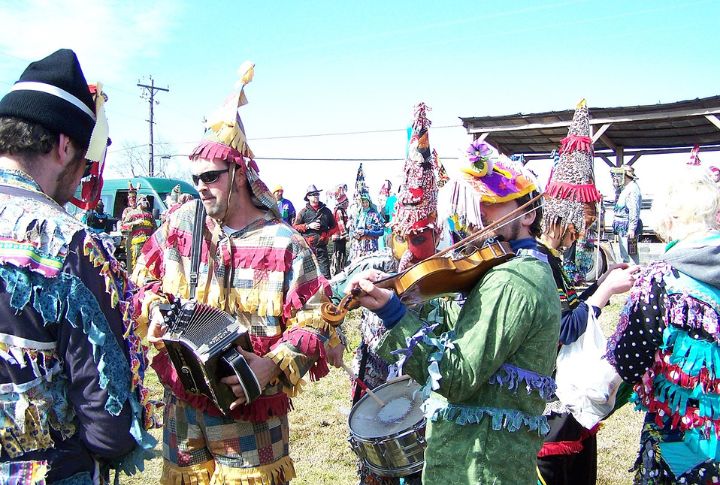
Cajun French is a rhythm and a whole different way of talking. Packed with history and humor, these expressions sound normal in Louisiana but leave the rest of America guessing. If you’ve ever scratched your head at a phrase heard down South, you’re not alone. Let’s go through the 10 Cajun sayings that don’t cross state lines without causing confusion and learn what they really mean.
Laissez Les Bons Temps Rouler
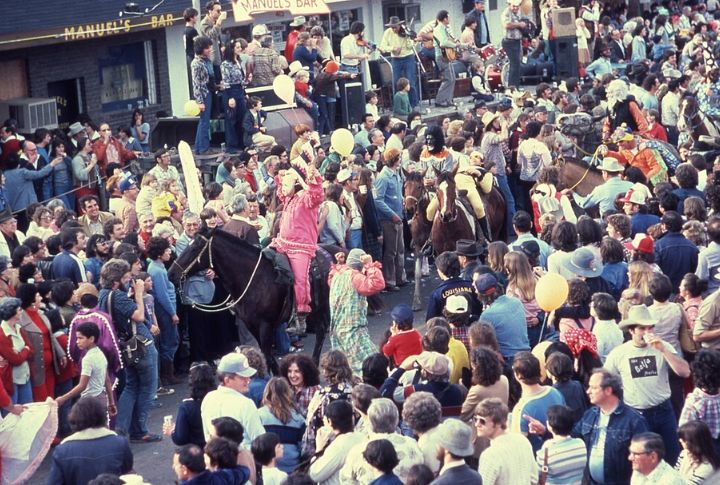
Few phrases capture the Cajun spirit like this one. It translates to “Let the good times roll,” widely used during Mardi Gras and Cajun celebrations. Though borrowed from French, it’s rarely used in France. Non-locals often see it as a party slogan, not a deeply rooted Louisiana mindset.
Sha (Cher)
In Cajun homes, “sha” is affection at its sweetest, meaning “dear” or “darling. Derived from “cher/chere,” it lovingly addresses babies, pets, or partners. The pronunciation confuses outsiders, who link it to the pop icon Cher. Still, this word has survived through generations and remains part of everyday conversation in southern Louisiana.
Tee-Tee
Ask a Cajun child who Tee-Tee is, and they’ll point to their aunt. It’s so common that some kids never learn their aunt’s real name. The nickname stems from the French “tante.” To outsiders, it might sound like toddler babble, but it’s a sign of tight family bonds in Cajun life.
Lagniappe
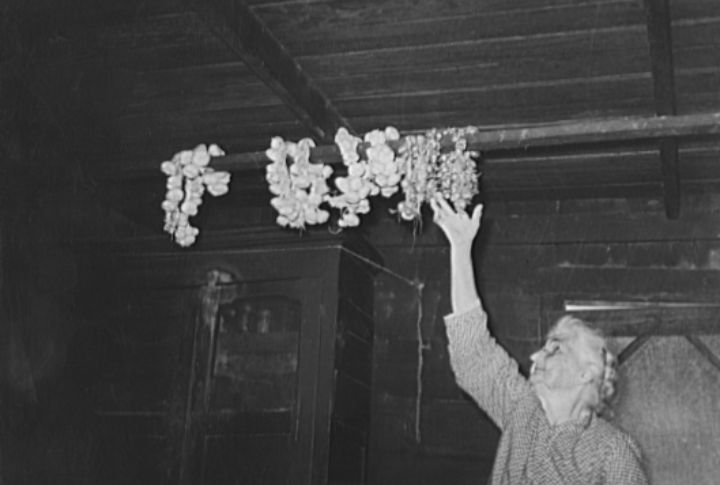
Are vendors tossing in a little bonus? That’s lagniappe, “a little something extra.” The term comes from the Spanish “la napa” and filtered into Louisiana French. It’s a sweet surprise at markets or restaurants. Tourists sometimes confuse it with a side order, but locals know it as a signature touch of hospitality.
Mais, Ca C’est Bon!
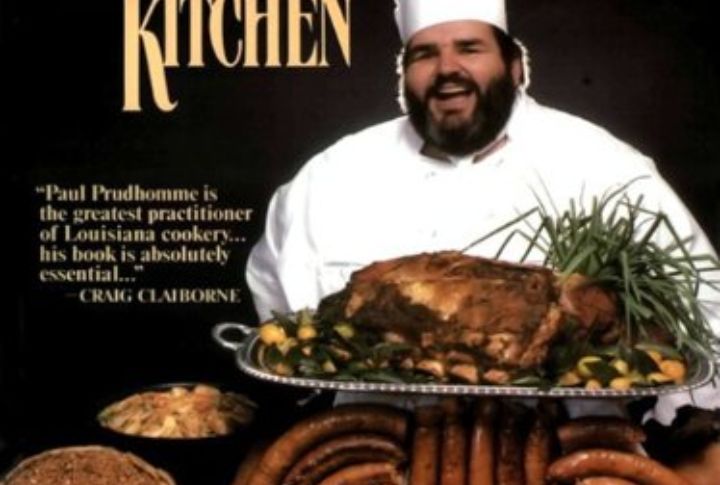
Exclaim this after your first bite of gumbo: “Mais, ca cest bon!”—roughly meaning, “Man, that’s good!” Though “mais” usually means “but,” Cajuns use it for emphasis. Outsiders often misread it as a question. The phrase features on cooking shows celebrating Louisiana’s flavorful traditions and expressive speech.
Gris-Gris
Charms called gris-gris can protect or curse, depending on intent. This voodoo-rooted tradition traces back to African spiritual practices maintained in Creole Louisiana. Cajun parents even reference it in spooky stories for kids. Those unfamiliar may dismiss the term as jazz slang, missing its long cultural and spiritual lineage.
Making Groceries
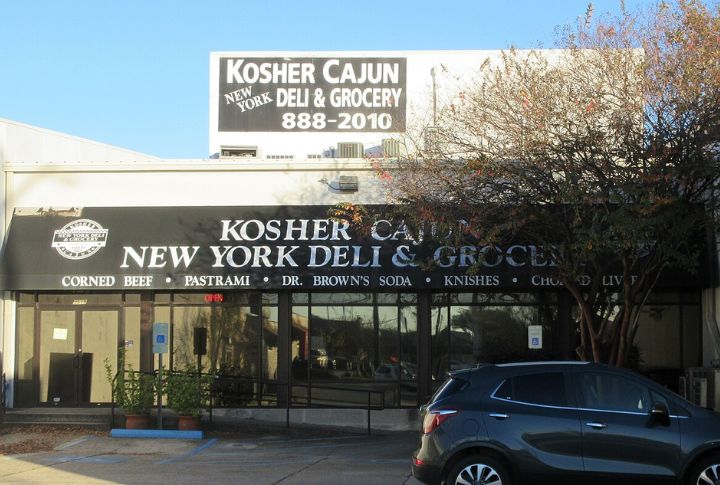
It doesn’t mean cooking or gardening. “Making groceries” is Cajun-speak for shopping. The phrase comes from the French “faire l’epicerie.” Still common in New Orleans and Acadiana, it throws off outsiders who assume it’s about meal prep. Comedians often use it to highlight Louisiana’s charming linguistic quirks.
Fais Do-Do
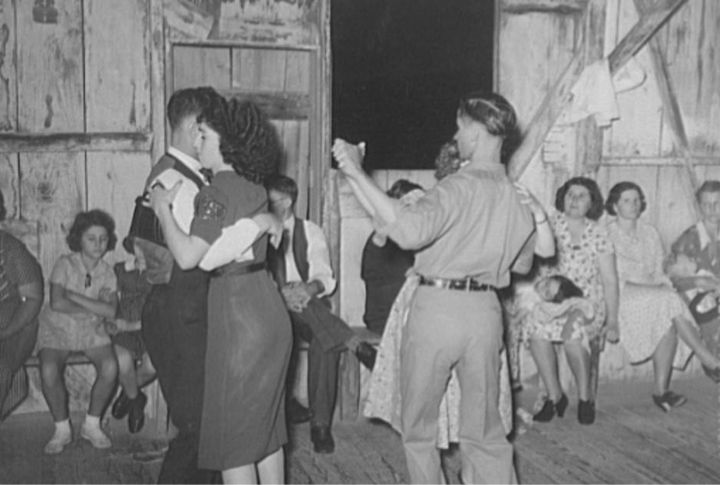
Don’t bring pajamas because a fais do-do is a dance party. The term originated when adults danced while kids dozed off, “do-do” coming from the French word for sleep, “dormir.” Nowadays, it’s tied to Zydeco music events. To non-locals, it still sounds like nursery slang rather than a night out.
Coozan
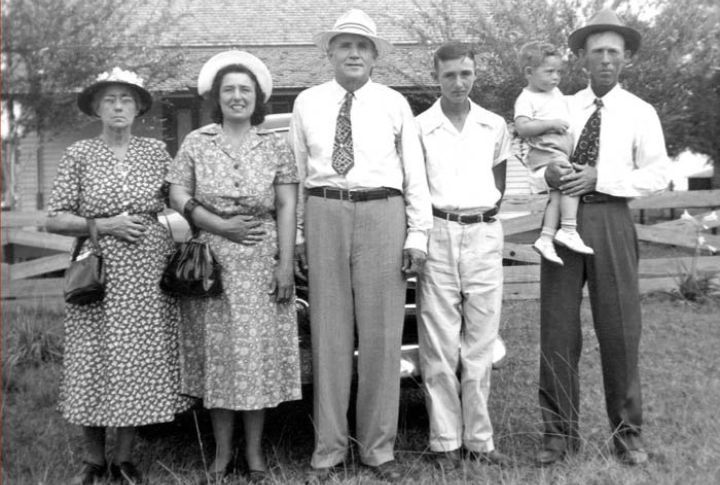
Whether kin or not, if someone calls you “Coogan,” you’re considered family. Loosely adapted from the French “cousin,” the term reflects close ties within Cajun communities. Visitors often mistake it for a first name. For locals, it’s an easy way to greet friends without getting formal.
Couillon
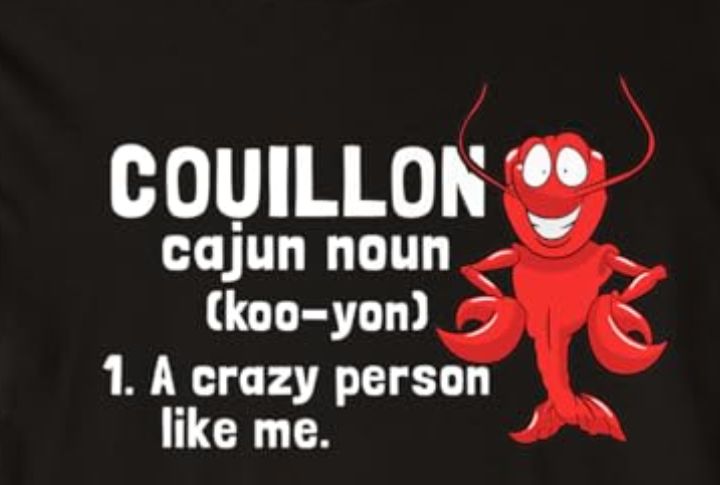
Said with a smirk, “Couillon” playfully calls someone a fool. Its roots in French give it ruder undertones, but in Louisiana, it’s usually a harmless jab. Outsiders might hear it and wince, thinking it’s vulgar. Locals toss it into daily banter and Cajun comedy without skipping a beat.