

 Johann Hunt
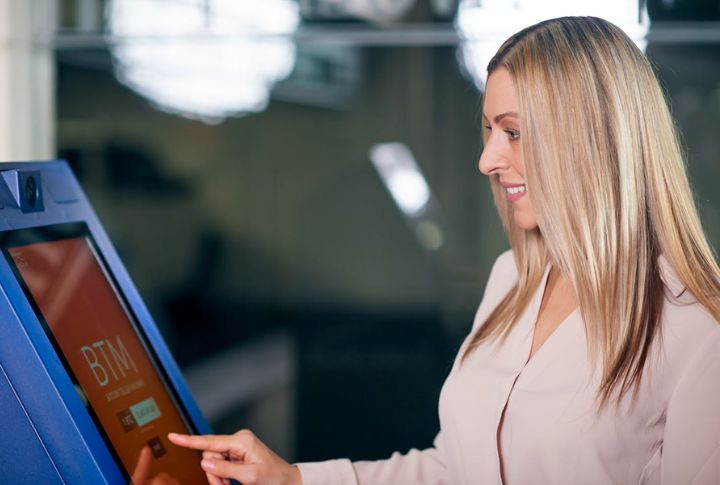
Getting $2 bills from your bank sounds straightforward, but the request creates unexpected friction at multiple points. What seems like a simple transaction actually triggers complications that extend beyond the counter and follow the bills into everyday use. Here’s why this basic ask becomes surprisingly difficult.
They Complicate Cash Drawer Balancing
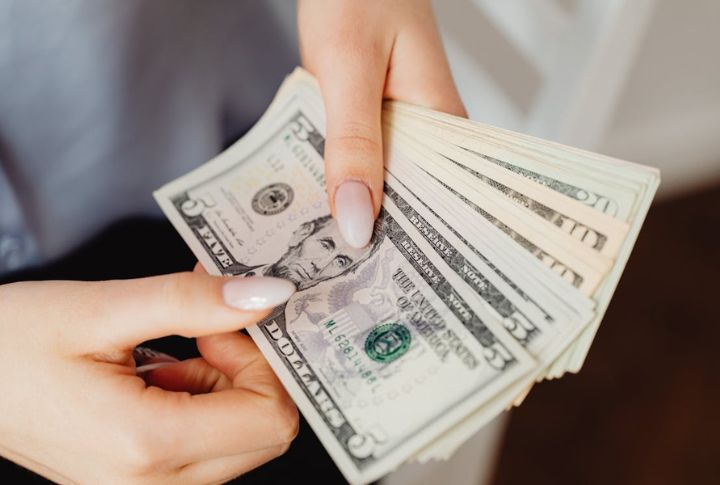
Cash drawers are designed for standard bills, so adding $2 bills throws off the usual order. Tellers must carefully separate and track them during counting, which increases the chance of errors. This rare denomination adds unnecessary complexity to a system built for smooth, predictable cash handling.
They Raise Suspicion Of Novelty Or Fraud Use

$2 bills often trigger suspicion because they’re uncommon in circulation. Bank tellers are trained to flag unusual denominations and view them as potential fraud risks. Counterfeiters sometimes exploit these rare notes to test staff vigilance. Authenticity checks have become a routine precaution in financial institutions as a result.
They’re Often Misunderstood By Merchants And Can Be Refused
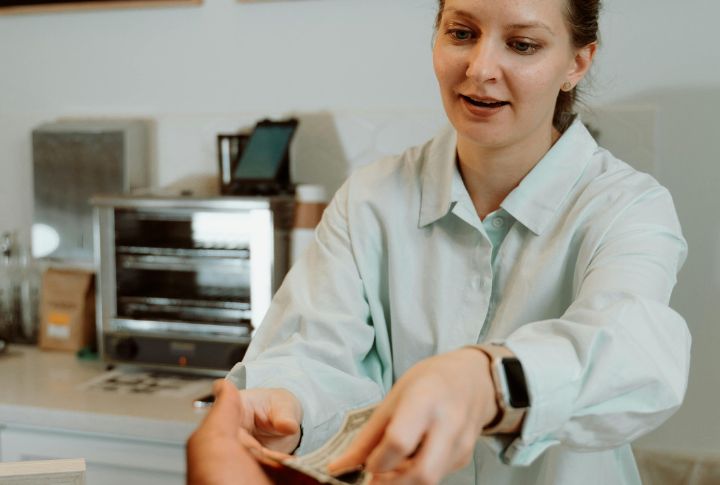
Cashiers think $2 bills are fake and won’t take them. Store training never teaches workers about these bills, so they don’t know they’re real money. You might get stuck arguing with staff or even be asked to leave the store over perfectly legal currency.
They’re Rarely Stocked In Branches
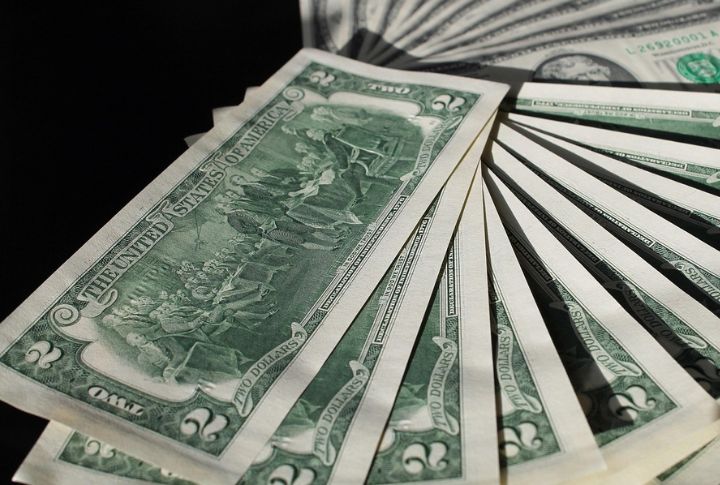
Banks stock what customers need, and $2 bills? They’re under 0.001% of circulating cash. That microscopic demand means most branches keep few—if any—on hand. Most customers who request them find that the bank must order from their main vault or the Federal Reserve.
They Create Awkward Audit Trail Exceptions
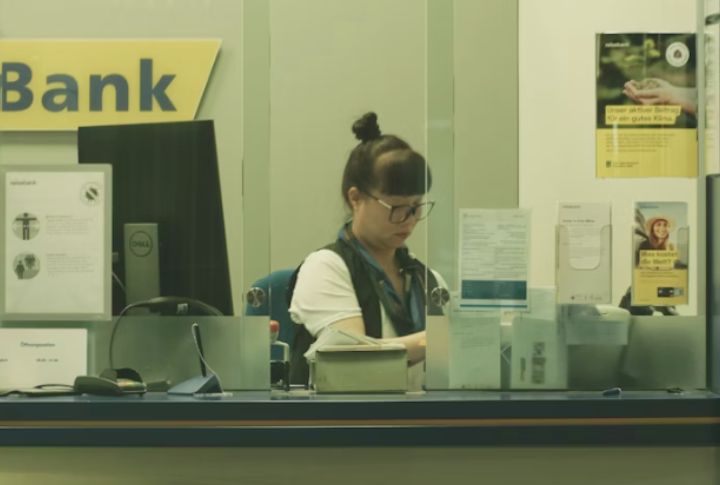
Audit systems flag $2 bills as irregularities. Staff must manually document each withdrawal instead of using automatic processing. Even compliance officers review the bills simply because they’re uncommon. The extra documentation is so troublesome that bank employees joke about $2 bills being “ghost entries” in their logs.