

 Emily Flores
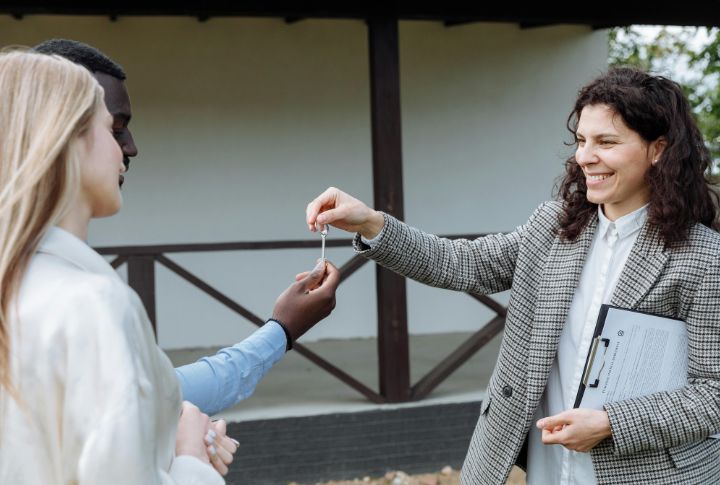
A lot of people tuck a spare key somewhere that feels harmless, only to discover it isn’t nearly as hidden as it seemed. There’s a better way to think about backup access, and it starts by rethinking the usual hiding habits you’ve seen. So, let’s break down where danger creeps in and how smarter choices keep you covered.
On Top Of The Door Frame
The top of a door frame feels clever until you remember how predictable it has become. Intruders reach up instinctively, and the height rarely slows them down. Moreover, taller visitors always catch the glint of a misplaced key.
Under The Welcome Mat
It’s funny how a welcome mat feels like a hiding spot until you remember how little resistance it offers. Burglars flip it up first because the motion takes almost no strength. Many mats stay flimsy enough to reveal anything beneath.
Inside The Mailbox
Think about how many people pass a mailbox every day and how easily one curious hand can reach inside. Mail carriers open it routinely, which means the space never stays private. Rain can also warp or stain the metal key, plus neighborhood kids are known to peek inside out of habit.
Under A Flower Pot By The Door
The flower pot by the door remains one of the most predictable hiding spots anyone could choose. Its reputation makes it the first place burglars check, and the lightweight container offers zero challenge to lift. Watering slowly rusts the metal key over time, and pets often nudge or topple the pot during play, exposing your hiding spot to anyone.
Inside An Unlocked Garage
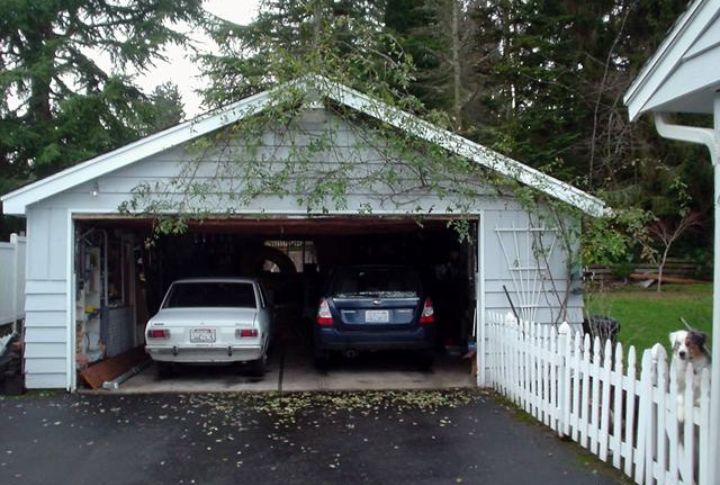
Garages often stay open during busy afternoons. This makes it ridiculously easy for someone to slip inside unnoticed. Treating the garage as a safe buffer is an illusion that fades fast when the door sits open for hours. Anyone watching the area can spot the vulnerability and exploit it without much effort.
If those risky spots sounded familiar, you’re not alone. Plenty of people stash keys in places that make break-ins easier. The next part focuses on options that finally put the advantage back in your hands.
With A Trusted Neighbor
Some homes rely on people rather than places, and a dependable neighbor can become that quiet safeguard during emergencies. Reliable access comes from someone nearby who actually notices things. Many neighbors like feeling useful, which makes the simple gesture of holding a key strengthen community bonds.
In A Lockbox With A Combination Code
Before thinking about hiding spots, imagine a key sitting behind a box that refuses to open without the right combination. Casual theft hits a dead end instantly because the code stands in the way. Realtors trust these boxes daily, and personalizing the numbers makes the setup feel tailored.
Hidden In A Disguised Outdoor Object
Instead of obvious spots like mats or flower pots, choose a purpose‑built outdoor hideaway. Products shaped like rocks, sprinklers, or garden ornaments conceal keys and blend naturally into the yard. The disguise keeps intruders guessing while still giving you quick access when needed.
Inside A Vehicle Lockbox
For households with multiple cars, a small lockbox secured inside a vehicle can serve as a discreet backup. The box keeps the key protected from casual discovery, and since cars move, the location isn’t fixed—making it harder for intruders to predict.
Buried In A Weatherproof Key Capsule
A weatherproof key capsule offers protection and privacy far beyond typical outdoor hiding spots. The capsule seals the key against moisture and rust, and burying it a few inches underground removes it from plain sight entirely. Mark the spot with a subtle, unnoticeable cue only you understand—like a specific stone or plant.