

 Devin Jacobs
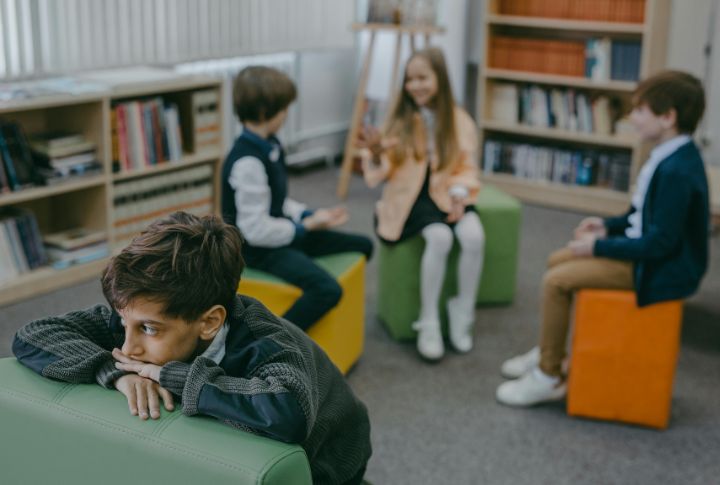
Antisocial or sociopathic behaviors are actions that go against what is necessary for healthy social interactions. These traits are often associated with antisocial personality disorder and can affect anyone, including children. Recognizing the signs of this condition can be helpful in managing it. Here are fifteen signs that may indicate its presence.
Lack Of Empathy

Your child may have difficulty caring about how others feel, seeing their emotions as unimportant or inconvenient. He or she may not respond appropriately to others’ emotions, like sadness or pain. For instance, if a classmate cries, they may mock or ignore them instead of offering comfort.
Chronic Lying

While many children tell lies occasionally, chronic lying is a more serious issue. Your child might lie for seemingly no reason, even when telling the truth would be a much easier option. They may also lie to manipulate situations, shift blame, or make themselves appear better than others.
Manipulative Behavior
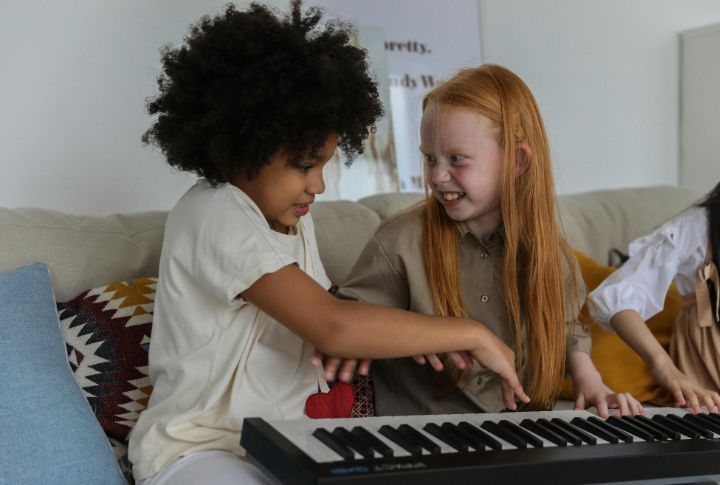
Manipulative children exploit the emotions of others to get what they want. They may play on your guilt to avoid punishment or use a friend’s kindness to gain favors. People may see them as charming or sweet when it suits them, but they’ll quickly discard people when they are no longer helpful.
Aggression
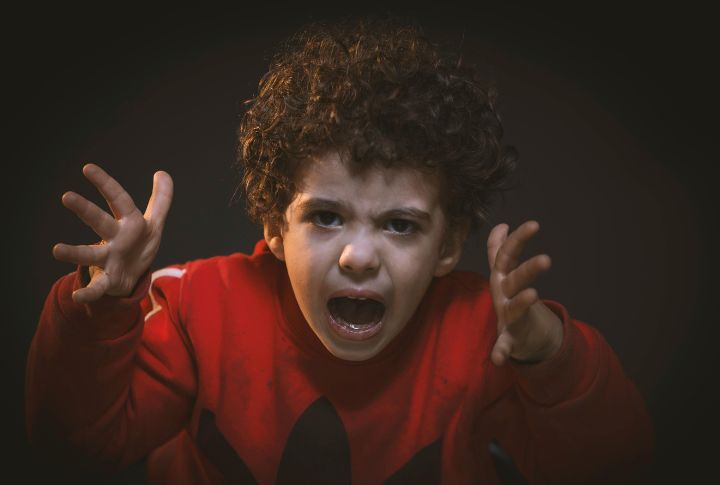
Pay attention to unusual levels of aggression, especially towards vulnerable targets such as younger children or animals. This could manifest as physically harming others through hitting, kicking, or biting. This may be unprovoked or excessive in response to minor provocations.
Stirring Up Conflict
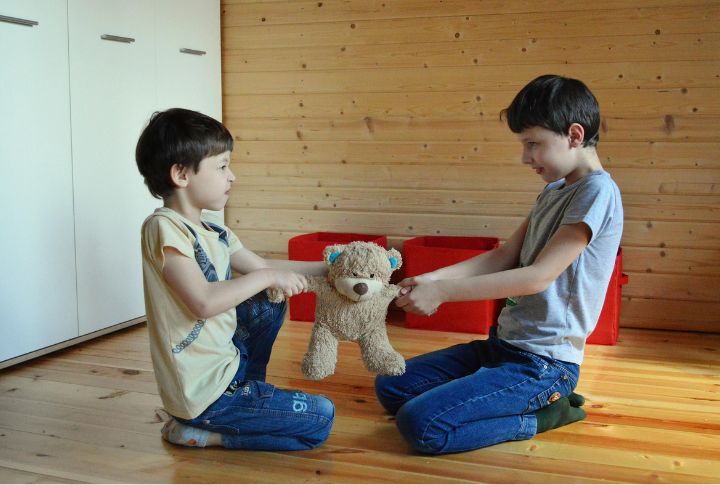
You may notice in a child that they enjoy stirring up trouble or provoking arguments. They may start fights, spread rumors, or engage in behavior that leads to tension or conflict between others. Instead of trying to resolve disputes, they escalate them and are excited when things go wrong for others.
Desensitization Towards Violent Behavior

Some children have become desensitized to brutality, either through exposure to harsh media or personal experiences. Such actions fascinate them, and they enjoy stories or games where people are hurt. In severe cases, they may become numb to the idea of harming others and see this behavior as normal.
Failure To Learn From Punishment

Punishment may work for some children, but if your child continues to engage in problematic behavior after being disciplined or punished, that’s cause for concern. Therefore, if time-outs, grounding, or loss of privileges only make them more defiant, there is certainly a problem.
Isolation Or Social Withdrawal
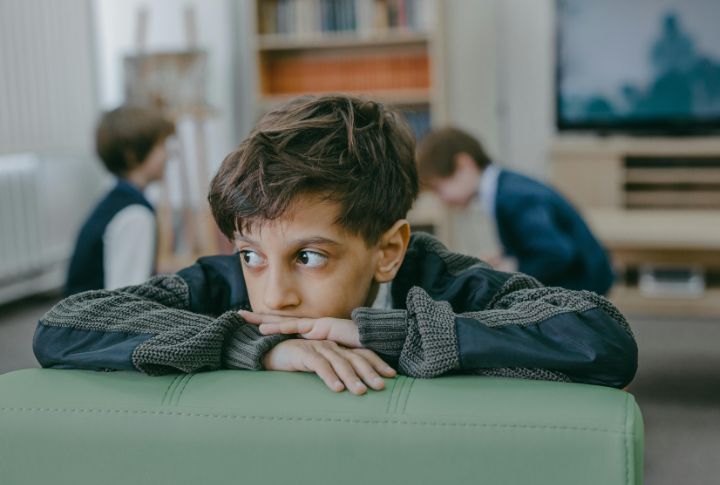
One way children reveal sociopathic traits is by isolating themselves or withdrawing from social interactions. This can stem from having no interest in forming relationships or viewing others as beneath them. They may avoid group activities and refuse to engage in cooperative play.
Impulsivity

When children act impulsively without considering the potential outcomes, it’s important to address the behavior. They may do risky things—running into traffic, breaking objects—not considering the harm they could cause themselves or others. Unable to control their urges, they can be unpredictable and difficult to manage.
Lack Of Remorse

When a child shows no guilt or remorse after doing something wrong, even if it hurts others, it’s known as a lack of empathy. For instance, if they harm a friend during playtime, they may not apologize, feeling no regret. In some cases, they may even seem to enjoy the harm they caused.
Grandiose Sense Of Self-Worth

Your child may believe that they are inherently better or more important than others. Hence, they may exclude themselves from rules and see their peers as inferior, expecting privileges that others do not have. You might also notice arrogance and entitlement in their behavior.
Constant Rule-Breaking

Children test boundaries occasionally, but those with sociopathic tendencies will intentionally break rules without regard for authority. This could include defying parents or legitimate guidelines with little concern for consequences. Getting away with robbing, lying, or vandalizing property may be fun for them.
Inability To Form Genuine Relationships

Is your child finding it difficult to form meaningful connections with others? This could be because their friendships are superficial and lack emotional depth. Your kid might be using friends for personal gain without showing mutual care or support, leading them to jump from one friend to another.
Indifference To Praise Or Criticism

Through praise and criticism, children learn what’s acceptable and what’s not. These things nudge them towards having beneficial relationships with others. Children with sociopathic attitudes may appear indifferent to both. They may show no reaction to compliments, rewards, or punishments.
Lack Of Long-Term Goals

A child with such traits is bound to struggle to plan for the future or set meaningful long-term goals. All they may want to do is live in the moment and focus on immediate gratification without considering the consequences. This explains their impulsive decisions, truancy, and other negative habits.