

 Bruno Pugh
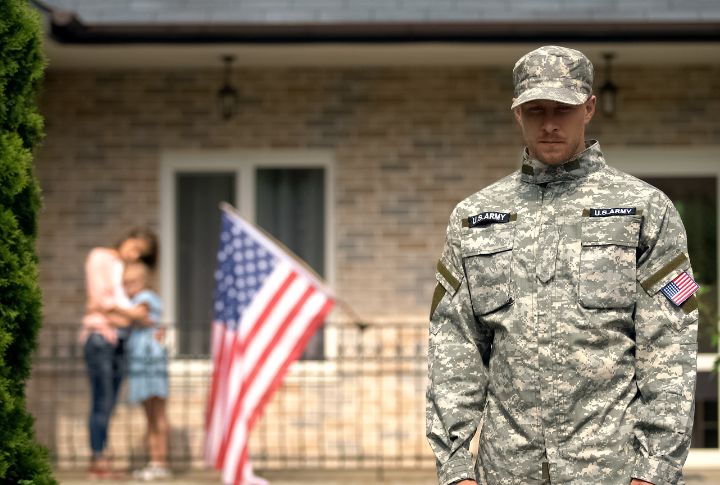
When our servicemen and women return home, they deserve our deepest respect, unwavering support, and access to resources that honor their sacrifice. Yet, too often, America’s veterans find themselves coping with a harsh reality that starkly contrasts with the promises made to them. Let’s discuss 13 critical issues highlighting how America is falling short in its duty to those who’ve bravely served. Swipe to find more!
Low Support in Mental Health
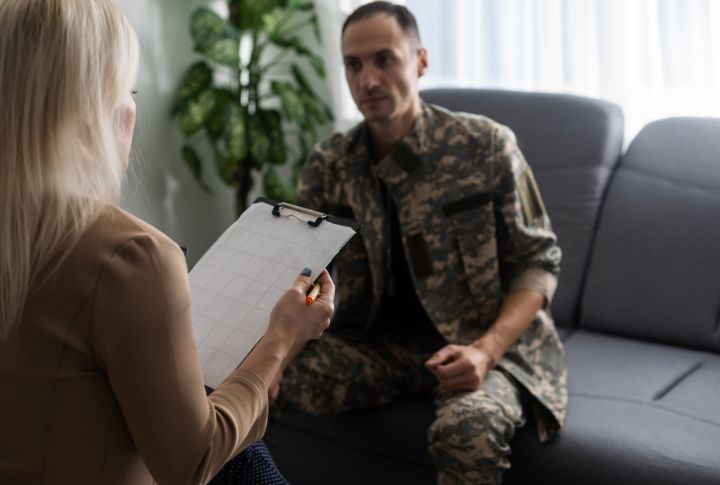
Veterans face significant mental health challenges, including PTSD and depression, yet the support they receive is inadequate. Long wait times, limited access to proper care, and a shortage of professionals leave many veterans without the help they need, increasing the risks of harming themselves. .
No Access to Healthcare
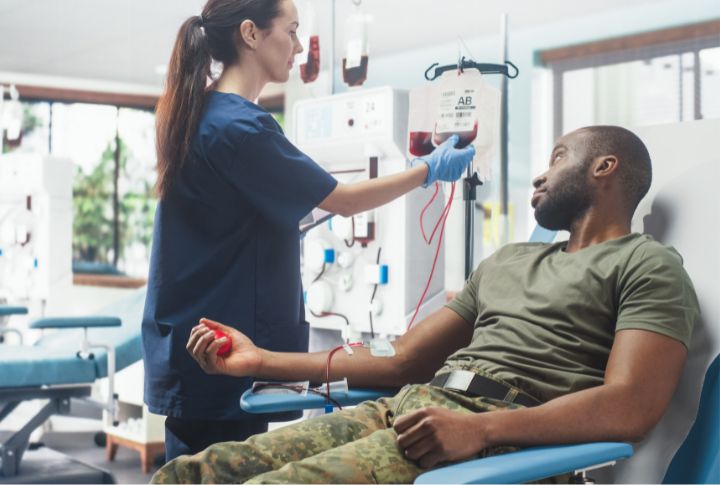
Shockingly, around 1.7 million veterans are uninsured, and many face long wait times at VA facilities. A 2019 Government Accountability Office report found that veterans could wait over 70 days for primary care. This lack of timely access leaves many with untreated conditions.
Transition to Civilian Life
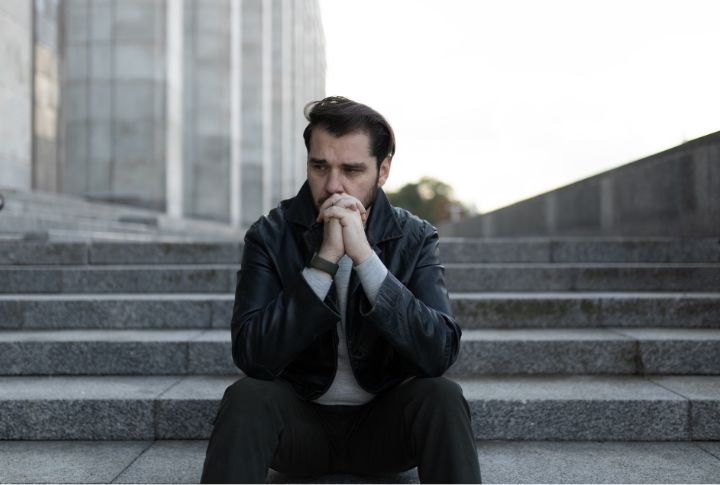
The shift from military to civilian life can be overwhelming for veterans, who often flounder to find employment, housing, and a sense of purpose. According to the Department of Labor, veterans’ unemployment rate was 4.4% in 2021, slightly lower than that of non-veterans.
Homelessness
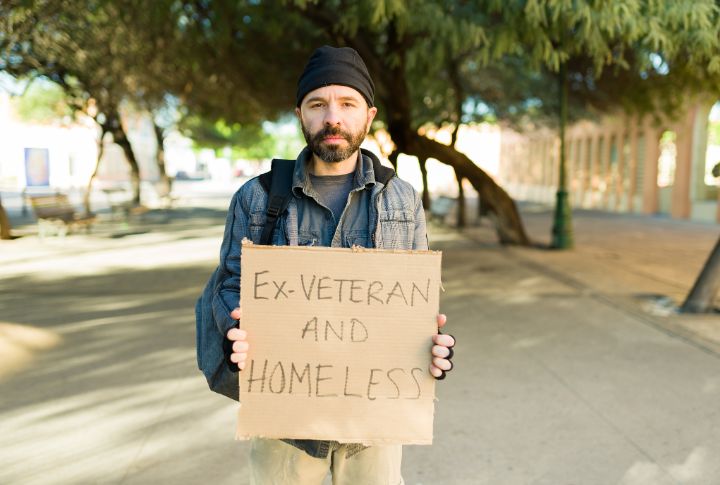
Homelessness among veterans continues to be a pressing matter. A large number of people face challenges in obtaining secure housing because of financial insecurity, mental health issues, and lack of support systems. The challenge is made worse by the difficulty of obtaining VA benefits.
Support Gaps for Female Veterans
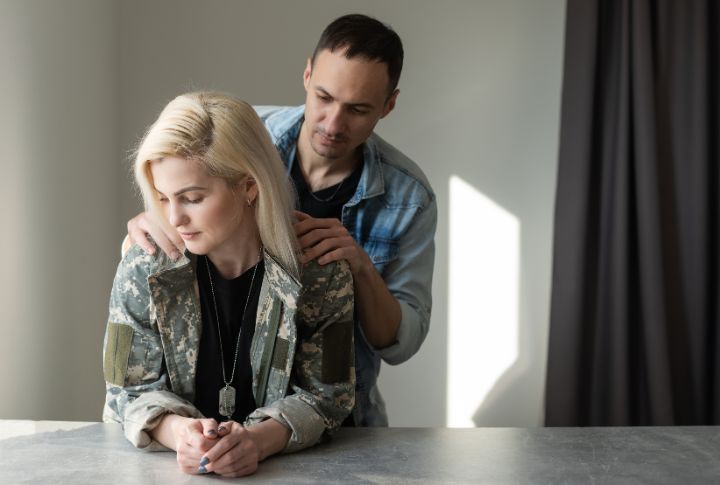
Female veterans face unique challenges, including higher rates of homelessness, unemployment, and military sexual trauma. The VA and other support systems are frequently inadequate in addressing these specific needs, leaving many women feeling neglected.
Limited Access to Education

Veterans often encounter difficulties in accessing educational and vocational training benefits. Complicated processes and a lack of guidance can prevent them from fully utilizing opportunities provided by programs like the GI Bill, which, in turn, decreases the nation’s overall quality of education.
Disability Claims Backlog
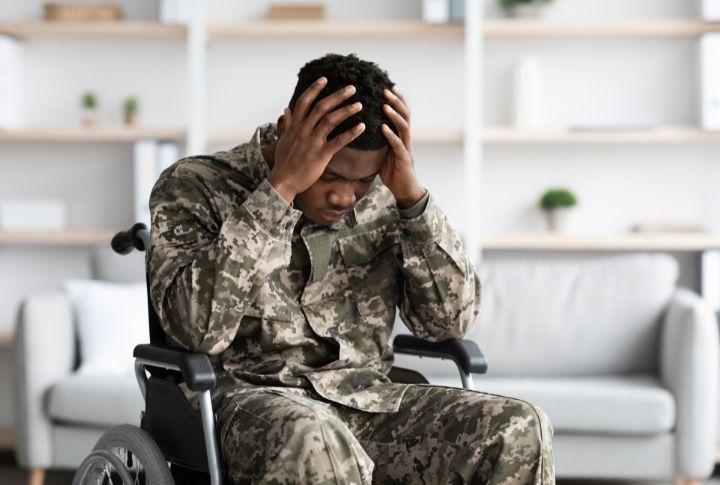
The VA’s disability claims backlog remains a critical issue, with over 200,000 claims pending as of 2023. This backlog exacerbates financial and emotional stress for veterans, many of whom are waiting for compensation to address service-related injuries and conditions.
Exposure to Toxic Substances
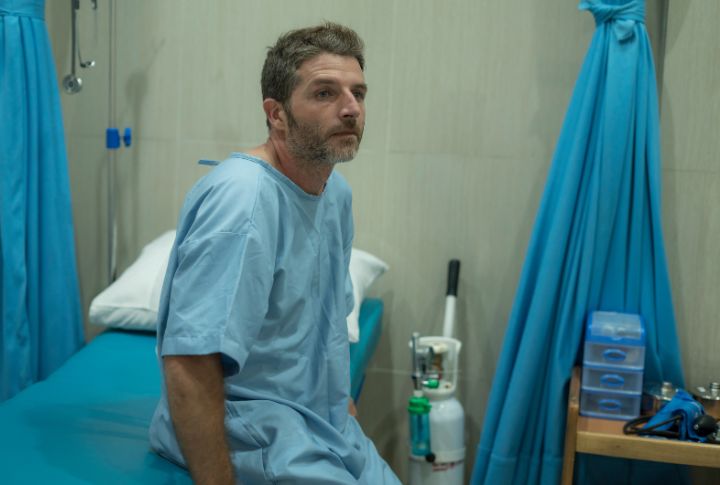
Toxic substances, such as Agent Orange and burn pits, have led to serious health issues for many veterans, including cancers and respiratory problems. Despite this, access to proper care and compensation remains inadequate, increasing the rate of veterans suffering from these diseases.
Insufficient Support for Families
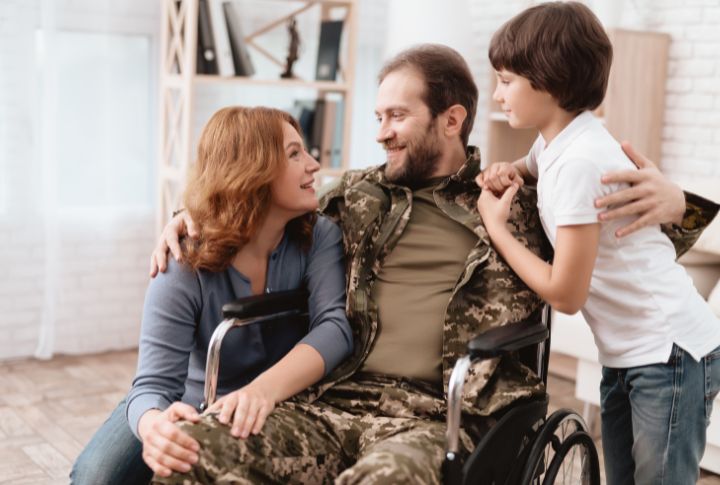
Family members of veterans frequently grapple with their own set of challenges, from financial hardships to emotional strain. Yet, support programs for these families are often lacking. Limited resources for mental health, childcare, and education leave many feeling unsupported.
Sexual Assault and Harassment
Sexual harassment remains a severe issue within the military, with many veterans reporting unresolved trauma. The ongoing lack of comprehensive support and accountability for survivors underscores a significant failure to protect and support those who have served.
Poor Coordination of Care Services
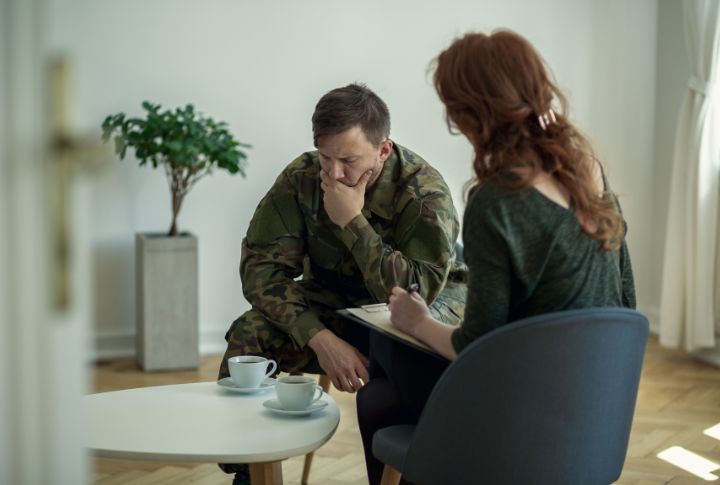
Inefficient coordination among medical providers, specialists, and support services leads to gaps in treatment and delays in care. As a result, veterans frequently encounter duplicated efforts, missed appointments, and inconsistent care, all of which hinder their overall health and recovery.
Access Barriers to Legal Services

Improving access to affordable, veteran-specific legal assistance is essential to ensure they receive fair and effective support. Barriers such as complex legal jargon, limited availability of specialized legal aid, and high costs of representation can leave veterans with disputes.
Social Isolation and Disconnection
Returning to civilian life can leave veterans feeling cut off from the support networks they once relied on. It is difficult to recreate the bonds that were formed in the military, and many veterans feel lonely and disconnected. This lack of social integration can seriously affect their overall quality of life.