

 Devin Jacobs

Generational change rarely arrives with fanfare; it slips in through tiny decisions that feel harmless at first. Those quick taps, shortcuts, and easy solutions quietly shape how each new generation moves through daily life. Dive into the subtle choices steering that shift, and see which ones already guide your routine.
Choosing Ride-Sharing Apps Instead Of Owning Cars

Independence feels different when transportation shows up the moment you need it. No repairs, no parking, no long-term costs to worry about. As ride-sharing becomes the easier choice, owning a car loses its pull. A generation adjusts to movement built on access, quietly reshaping how mobility fits into everyday life.
Choosing To Document Life Through Photos Instead Of Journals

Memories change when people reach for photos in place of writing things down. A single picture feels easier than a whole journal entry, and repeating that small choice shapes how generations remember life. Reflection slowly fades as quick visual proof becomes normal, creating a culture that recalls experiences through images rather than personal storytelling.
Defaulting To Text Messaging Over Phone Calls

The phone lights up. Instead of answering, a typed reply goes out. When this tiny moment repeats across millions of interactions, conversations shrink into short bursts. A generation grows comfortable handling closeness at a distance, which shapes communication around convenience rather than complete, real-time dialogue.
Opting For Streaming Over Physical Media

Entertainment habits now shift faster than the movies themselves, and streaming drives that change. Physical collections once shaped what people watched, but endless menus reversed that. Browsing replaced owning, and that single switch made quick sampling, constant switching, and low-commitment viewing the usual way whole generations experience entertainment.
Choosing Fast-Casual Dining Over Home Cooking

Picture a weekday evening. Hunger arrives, and time feels short. Fast-casual food becomes the obvious choice. When that pattern repeats, home cooking fades. Families drift toward quick solutions, and dinner slowly shifts into something chosen for ease rather than something prepared in the kitchen.
Preferring Fast Fashion Over Tailored Clothing
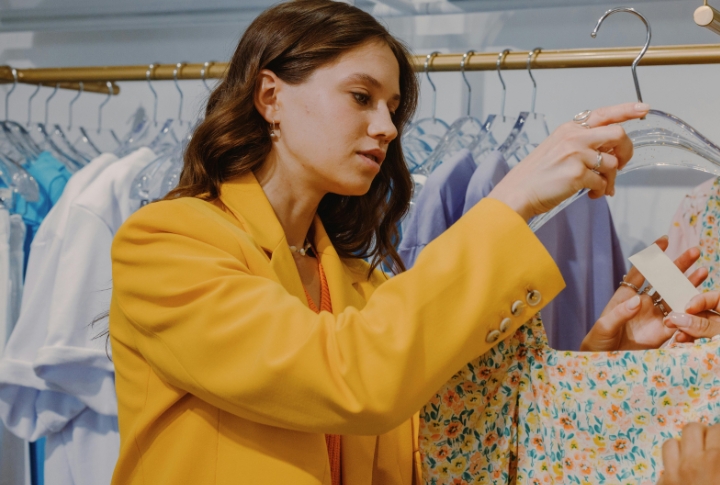
Clothing turnover is much faster today, and fast fashion drives that change. Rather than saving for long-lasting pieces, people pick up cheap trends because they are easy to replace. That simple choice reshapes expectations, teaching newer generations to treat style as temporary and clothing as something updated often rather than kept for years.
Using Emojis To Convey Emotion Instead Of Words
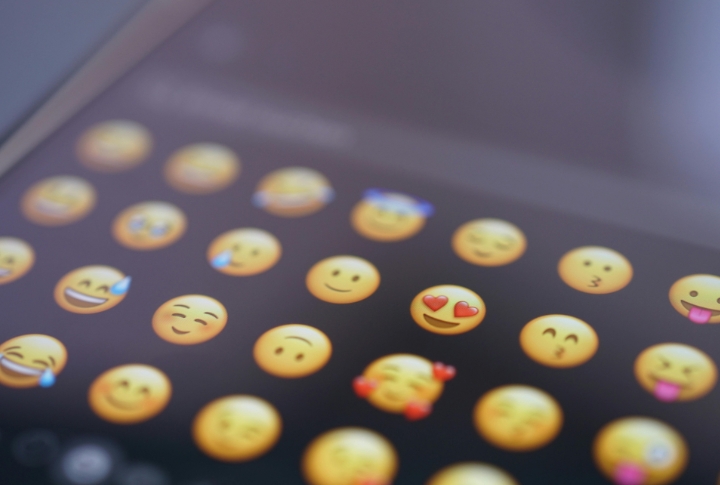
A small emoji can soften a blunt message in an instant, a shift that turns something flat into something warm. As this pattern grows, reliance on tiny symbols increases. Emotional expression drifts toward visuals, and longer explanations lose space as icons take over the job.
Defaulting To Online Reviews Before Purchases

Decision-making now tends to open with checking customer reactions, and that single habit transforms how people judge value. Shoppers look for reassurance before trying anything themselves. Common purchases follow collective direction, shaped by strangers whose experiences feel safer to trust than individual instinct or spontaneous decisions made in the moment.
Preferring Digital Payments Over Cash

A simple tap replaces what once meant counting bills. The ease feels good, so the habit stays. As cash shows up less in daily life, a generation forms digital spending routines, shaping how money is tracked and how transactions are experienced through screens in place of physical currency.
Defaulting To Digital Calendars Instead Of Paper Planners

Choosing a digital calendar over a paper planner changes how people manage the day. Plans can shift with almost no effort, and reminders show up exactly when needed. In the long run, those small conveniences shape a generation that organizes life with flexible, connected tools instead of fixed pages.