

 Emily Flores
What if some of your earliest “facts” about history never lined up with reality at all? Childhood lessons stick, even when they’re built on shaky storytelling. These familiar tales end up shaping the way grown-ups judge people and events. Let’s pull a few apart and see what they quietly influenced.
Christopher Columbus Discovered America
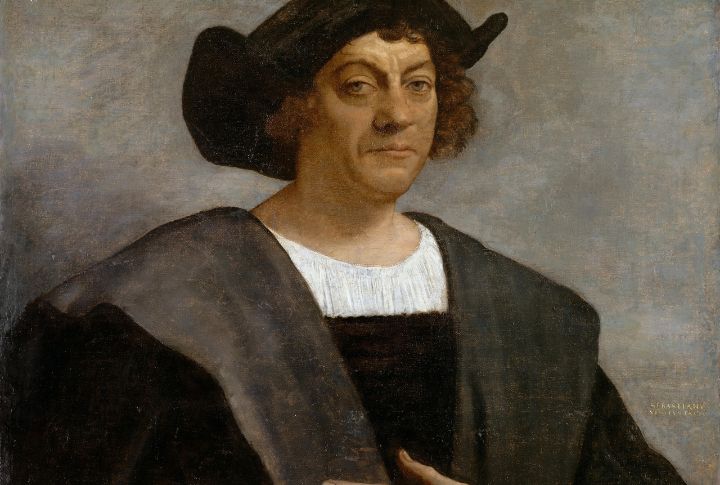
Many kids grow up hearing that Columbus proved the Earth was round and stumbled onto a “new” world. Schools and storybooks boost that version, even though Europeans already knew the planet was spherical. Indigenous communities lived here long before, and earlier explorers reached the Americas too.
The Middle Ages People Believed The Earth Was Flat
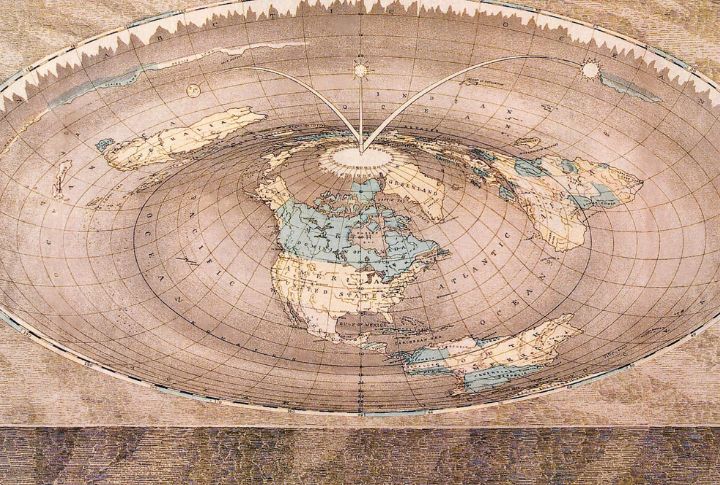
Plenty of childhood lessons say medieval sailors feared falling off the edge. Medieval writers, though, talked openly about a round Earth. They carried on ideas from ancient Greece. The flat-Earth story didn’t show up until the 1800s, pushed by critics who wanted to mock the past.
Vikings Wore Horned Helmets
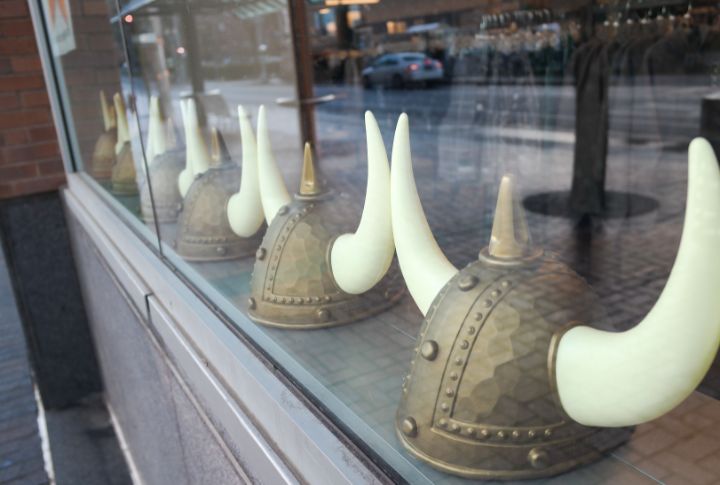
Cartoons and costumes make it easy for kids to picture Vikings with giant horns. Real Viking helmets were plain and practical, and the fancy horned version came from 1800s operas trying to make Norse culture look exotic. The mix-up still shapes how adults imagine Vikings.
George Washington Cut Down A Cherry Tree And Confessed
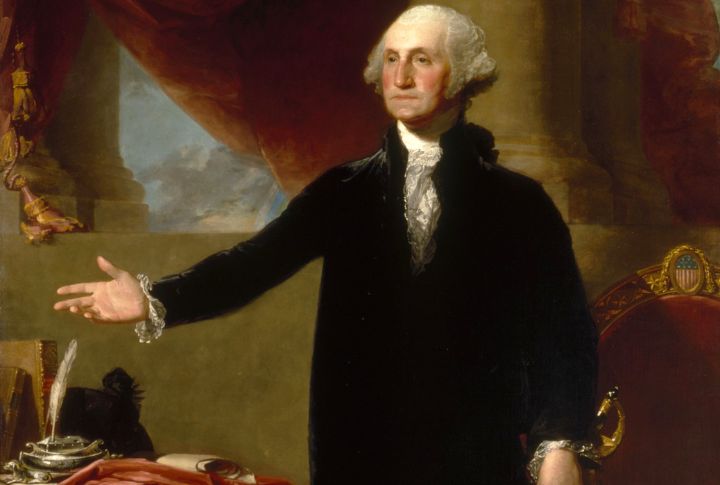
School stories love the idea of young Washington boldly telling the truth about a chopped cherry tree. The tale came from an 1806 biography created to teach kids about honesty, not record real events. Nothing in Washington’s actual papers backs it up.
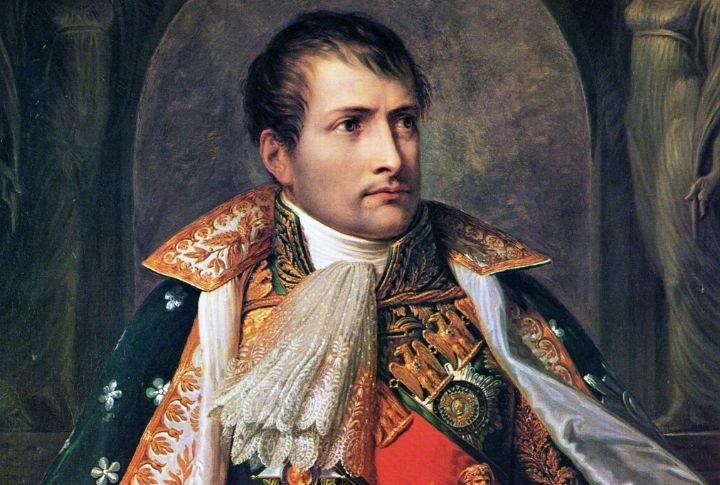
Napoleon Bonaparte Was Unusually Short
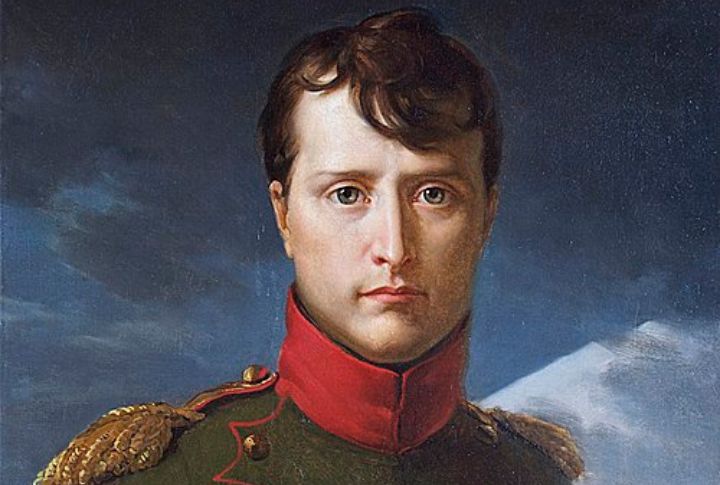
Many people first hear about Napoleon through jokes about his height. However, he wasn’t unusually small at all. It’s all because British propaganda and mixed-up measurements made him seem tiny. His nickname, the Little Corporal, only helped lock the idea in place.