

 Bruno Pugh
Some movies just hit differently. They’re the ones people reference in random conversations, the scenes that pop into your head years later, the stories that somehow feel relevant no matter when you watch them. These films earned their reputation by connecting with audiences across decades. You don’t need to be a cinephile to appreciate what makes them special. They simply deserve at least one watch. Here’s where to begin.
The Godfather (1972)
A crime novel became an operatic saga in Francis Ford Coppola’s hands. The Corleone family’s story unfolds with quiet menace, driven by Marlon Brando’s magnetic turn as Don Vito. This wasn’t just another gangster film—it redefined the entire genre, setting a new benchmark for character depth and cinematic storytelling that still holds today.
Citizen Kane (1941)
At just 25, Orson Welles revolutionized filmmaking with bold narrative choices and camera techniques no one had tried before. The mystery of “Rosebud”—Kane’s childhood sled—anchors a story about power, loss, and memory. Decades later, its influence on how stories are told visually remains impossible to ignore across modern cinema.
Casablanca (1942)
Humphrey Bogart and Ingrid Bergman anchor this World War II romance with performances that still resonate decades later. One improvised line became legendary, and the airport finale used surprisingly modest production tricks yet lost none of its emotional weight. The blend of love, sacrifice, and wartime tension earned it Best Picture and cemented its place in cinema history.
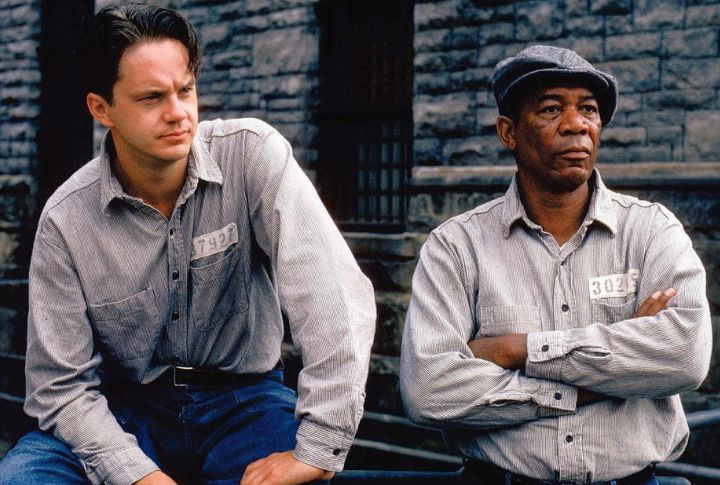
The Shawshank Redemption (1994)
Hope and friendship drive this prison drama adapted from Stephen King’s novella. Andy Dufresne and Red’s bond unfolds quietly, building toward one of cinema’s most satisfying conclusions. Audiences initially overlooked it in theaters, but home video turned it into a beloved classic celebrated for its uplifting message and emotional resonance.
Schindler’s List (1993)
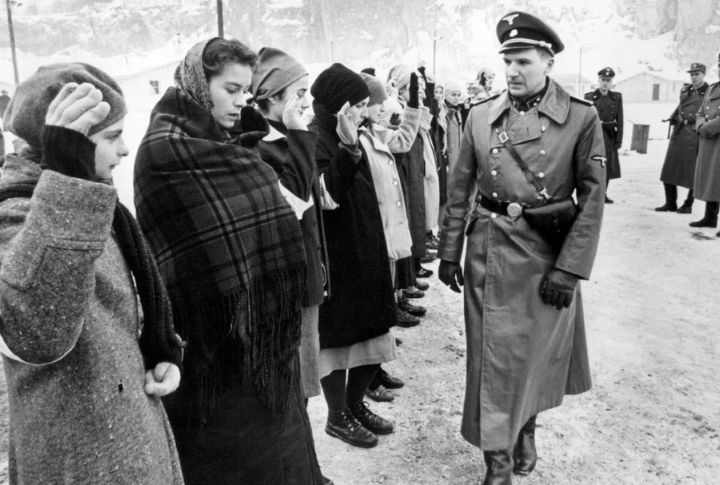
Steven Spielberg’s Holocaust drama follows Oskar Schindler as he works to save Jewish lives amid unimaginable horror. Most scenes unfold in black and white, with selective bursts of color that heighten the emotional weight. The film earned seven Oscars and stands as one of cinema’s most essential historical portrayals.
Pulp Fiction (1994)
Quentin Tarantino shattered expectations with a nonlinear crime story that won the Palme d’Or at Cannes. John Travolta and Uma Thurman’s quirky dance drew inspiration from French cinema and animation. Sharp dialogue, dark humor, and unforgettable style turned the film into a landmark that changed how audiences and filmmakers approached modern storytelling.
The Dark Knight (2008)
Christopher Nolan proved superhero films could carry philosophical weight and moral complexity. Heath Ledger’s haunting portrayal of the Joker—shaped in part by his private “Joker diary”—ultimately earned him a posthumous Oscar. This wasn’t just a blockbuster spectacle. It balanced action with deeper questions about justice and chaos, forever raising expectations for comic-book adaptations.
2001: A Space Odyssey (1968)
Stanley Kubrick and Arthur C. Clarke crafted a visionary exploration of humanity’s relationship with technology. HAL 9000’s eerie voice became iconic, and Kubrick went so far as to destroy the sets after production to preserve their uniqueness. Decades later, the film’s visuals still leave viewers in awe.
Psycho (1960)
Alfred Hitchcock transformed a modest thriller into a cultural phenomenon. He secretly bought the novel’s rights to protect the twist and directed the trailer himself, playfully touring the Bates Motel. Shocking turns and relentless suspense changed horror forever, proving that tension and craft could terrify audiences more than gore.
Forrest Gump (1994)
Winner of six Oscars, including Best Picture, Forrest Gump became one of the 1990s’ most cherished films. Tom Hanks brings warmth and charm to Forrest, a man whose simple outlook unwittingly shapes decades of American history. From cross‑country running sequences filmed across seven states to its mix of emotion and historical moments, the movie captures both personal resilience and the sweep of a nation’s story.