

 Devin Jacobs
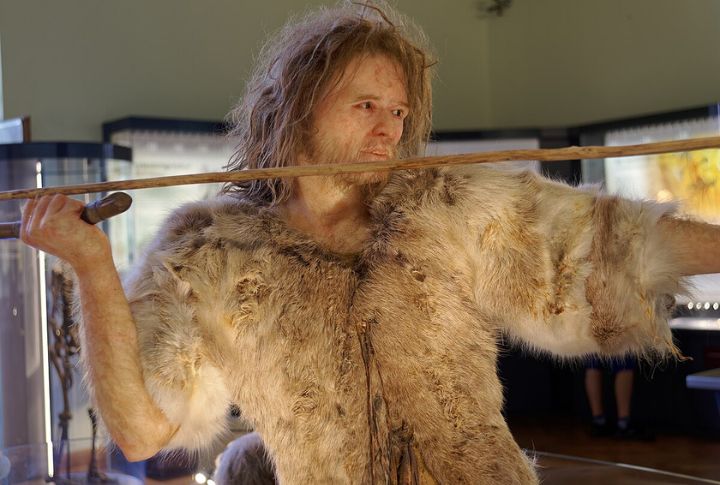
We’ve all believed things about Cro-Magnons, early European humans, that aren’t true. For decades, ideas about how they lived, thought, and interacted have been full of mistakes. History and pop culture have painted a misleading picture, thereby leaving many assumptions unchecked. The reality is far more surprising than the myths suggest. Let’s talk about what we’ve gotten completely wrong about these early humans.
Mislabeling Cro-Magnons As Primitive Cavemen
A lot of people think Cro-Magnons were just primitive cavemen, but that’s not true. They were modern humans living in Europe about 30,000 years ago. In addition, they cooked meals over fires, had everyday routines like ours, and even got their name from a cave in France. Far from crude, they were quite skilled.
Confusion Between Cro-Magnons And Neanderthals
Cro-Magnons and Neanderthals were usually confused; however, they were different. Cro-Magnons had lighter builds, whereas Neanderthals—an extinct human species in Europe and western Asia—had larger noses to help them cope with cold climates. Also, Cro-Magnons traded ornaments and socialized, demonstrating early cultural development. These differences highlight the diversity of prehistoric humans.
Underestimating Their Artistic Achievements
Art was important to Cro-Magnons. They painted bright scenes on cave walls and carved figurines from bone and stone. Some artworks may have told stories, and they created them using natural pigments like charcoal and ochre. So, their creative work demonstrates they were imaginative and cultured, which proves early humans did more than just survive.
Ignoring Evidence Of Advanced Toolmaking
Cro-Magnon toolmaking displayed remarkable skill. Beyond sharp blades, spear points, and tools from bone and antler, they invented sewing needles and decorated tools—combining function and design. This artistry reflects their creativity and the advanced culture of early European humans.
Misconceptions About Social Organization
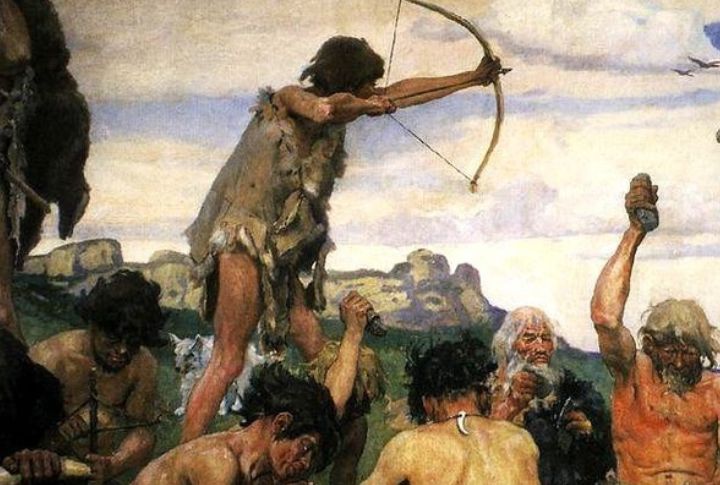
Life for Cro-Magnons was social and cooperative. Small groups shared food and chores, and communal fires served as gathering spots. Even children learned by observing adults, showing knowledge transfer. These habits reveal that prehistoric humans valued teamwork and learning, not just survival, and had an organized community life.
False Beliefs About Their Intelligence Levels
Cro-Magnons had brains as large as ours and thought in complex ways. Planning hunts and migrations, and creating musical instruments like flutes, demonstrate their abstract thinking. The evidence highlights Cro-Magnons’ cognitive abilities and capacity for complex problem-solving.
Misreading Burial Practices And Rituals
Cro-Magnons buried their loved ones with care, usually including tools or ornaments. Red ochre was sprinkled on graves, and flowers were sometimes placed inside. These thoughtful rituals reflect respect for life and emerging spiritual practices. Such burial practices indicate sophistication, thereby contradicting assumptions that prehistoric humans had no symbolic awareness.
Ignoring Their Knowledge Of Medicine And Healing
Cro-Magnons used medicinal plants and natural treatments to care for injuries and illnesses. This shows they understood the environment and had knowledge of healing practices. This pattern also shows early recognition of health issues and a strong interest in keeping community members safe.
Overlooking Their Clothing And Adornment Skills
Even in prehistoric times, Cro-Magnons thought about fashion. They made clothes from animal hides, carefully fitting them to their bodies. Additionally, they also used beads, shells, and feathers for decoration. These choices highlight their intelligence and cultural awareness, showing they expressed identity and status through clothing and adornment.
Underestimating Their Communication Abilities
Cro-Magnons probably used a mix of spoken language, gestures, and symbolic markings to communicate. This allowed them to cooperate and teach younger members important skills. Their ability to share knowledge and ideas demonstrates they were social and capable of building a cultural legacy.