

 Emily Flores
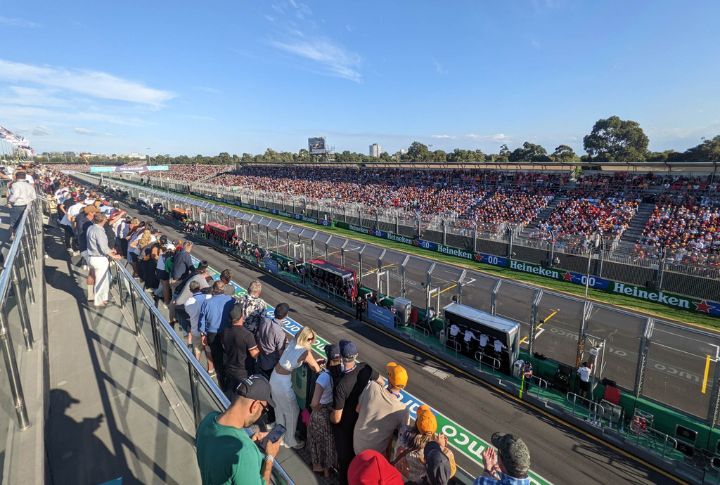
After months of speculation and behind-the-scenes negotiations, the FIA has officially confirmed that the Australian Grand Prix will kick off the 2026 season on March 6th, retaining Melbourne’s coveted position as the championship opener. This announcement comes at a pivotal moment for the sport, as 2026 represents perhaps the most significant technical revolution in F1’s modern era. With entirely new power unit regulations set to shake up the competitive order and six new engine manufacturers entering the fray, the Melbourne season opener will be more than just another race—it’ll be our first glimpse at what many are calling Formula 1’s electric future.
The Albert Park Circuit will host a grid that could look dramatically different from today’s lineup, with Audi making their manufacturer debut and potentially reshuffling the entire power unit scenario. For Australia, this confirmation cements their reputation as F1’s traditional season curtain-raiser, a position they’ve held for most races since 1996, despite brief interruptions during the pandemic years.
Why Melbourne Keeps The Opening Slot
Australia’s lock on the season opener is about proven success and unwavering commitment. The Australian Grand Prix Corporation has consistently delivered one of the most well-attended and enthusiastically received events on the calendar, with crowd figures regularly exceeding 400,000 across the race weekend. Melbourne’s Albert Park Circuit underwent significant renovations in 2021 and 2022, widening several corners and improving overtaking opportunities, transformations that have created more exciting racing and justified the circuit’s premium position.
The Victorian government’s financial backing has been important too, with their contract extension through 2035 providing the stability that F1 needs for long-term planning. From a logistical standpoint, March timing works perfectly for Melbourne’s late summer weather, typically offering clear skies and temperatures in the low-to-mid 20s Celsius—ideal racing conditions. The city’s infrastructure, from world-class hotels to efficient transport networks, handles the F1 circus with practiced ease.
There’s also the promotional value: starting the season in a rabidly enthusiastic market like Australia generates massive global viewership and sets an energetic tone for the championship. Liberty Media, F1’s commercial rights holder, has consistently praised Melbourne’s ability to create a festival atmosphere that extends beyond the circuit into the city itself, something that aligns perfectly with their vision of F1 as an entertainment spectacle.
What 2026’s New Regulations Mean For Australia
The 2026 season opener will showcase the most radical technical changes since the hybrid era began in 2014. The new power unit regulations dramatically increase electrical power output while reducing internal combustion engine power, creating a roughly 50–50 split between electric and traditional propulsion. This shift means teams will need to completely redesign their cars around fundamentally different powertrains, making pre-season testing data nearly obsolete and turning Melbourne into a genuine unknown.
Active aerodynamics will debut, with adjustable front and rear wings helping manage the increased electrical deployment and improving overtaking potential. The chassis regulations are also changing, with smaller, lighter cars that should be more nimble through Albert Park’s semi-permanent street circuit layout.
For fans attending the race, expect to hear noticeably different engine notes—likely quieter overall but with a more prominent electrical whine. The competitive order could be completely reshuffled, making predictions nearly impossible and adding massive intrigue to who’ll stand on that first podium