

 Emily Flores
One viral video can dominate conversations for weeks. That’s the power of social media—it turns moments into movements instantly. But history’s most significant moments happened in the pre-Internet ages when news spread slowly, and reactions stayed local. Just imagine if those pivotal moments had happened today instead. These ten events would have sent every platform into absolute overdrive.
Signing Of The Declaration Of Independence
Imagine watching founding fathers like Thomas Jefferson and John Adams in action. These leaders signed a document on July 4, 1776, that ended America’s ties to Britain. We’d finally see them as real people, not just faces on currency, thereby making their decisions feel human and relatable.
Moon Landing
When Neil Armstrong stepped onto the Moon on July 20, 1969, the world watched through grainy TV screens. If that moment happened today, billions would follow every second on livestreams, hashtags, and reaction videos. A single step would turn into the biggest global trending event of the decade.
Titanic Disaster
The world’s largest ship was supposed to be unsinkable. But the Titanic hit an iceberg on April 14, 1912, and went down in the freezing Atlantic Ocean. With first-class travelers having easy access to lifeboats, while many in lower decks were trapped below, many today would have raised the question of inequality.
Discovery Of King Tut’s Tomb
When Howard Carter uncovered King Tut’s tomb in 1922, the world was stunned by the untouched treasures and the intact royal burial chamber. If this discovery happened today, every reveal would dominate social media. Livestreamed openings, artifact close-ups, and instant debates about the “curse” would take over global feeds within minutes.
Woodstock Festival
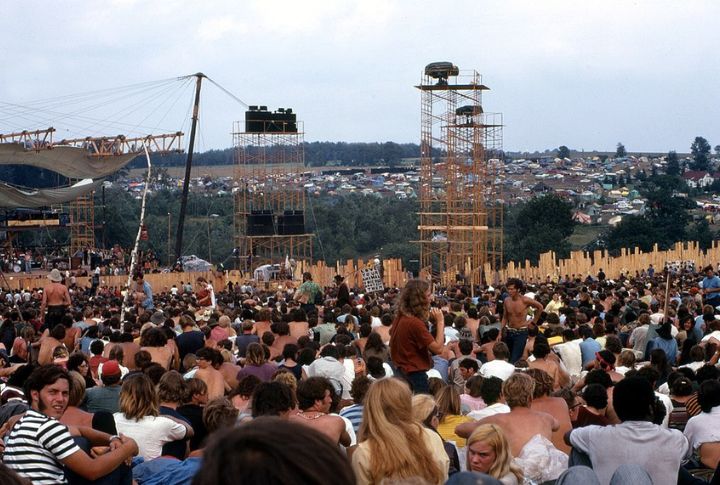
The 1969 Woodstock festival drew an estimated 400,000 people who came for music and a shared stance against the Vietnam War. In a modern setting, the event would spark nonstop online discussion, with drone footage and fan posts turning the gathering into a global digital event.
Fall Of The Berlin Wall
In 1989, an East German government spokesman accidentally said that citizens could cross the border immediately, even though new rules weren’t supposed to take effect yet. Thousands rushed to the Berlin Wall, celebrating and tearing it down. Today, videos of families reuniting and people climbing the wall would flood social media instantly.
First Flight By The Wright Brothers
When the Wright brothers lifted their plane off the sand at Kitty Hawk in 1903, only a handful of onlookers saw it happen. Today, a single phone recording of that 12-second flight would dominate every platform. The moment that launched modern aviation would spread worldwide in minutes.
Martin Luther King Jr.’s Speech On Civil Rights
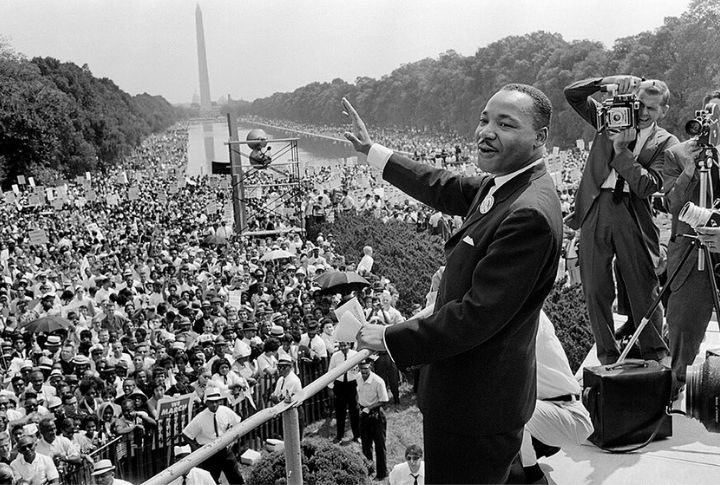
Imagine MLK’s 1963 speech hitting the internet in real time. His call for equal rights echoed through Washington, and a modern feed would explode with shares, reactions, and global support. The message that moved a generation would reach millions within minutes instead of slowly through newspapers and TV highlights.
The Opening Of The Eiffel Tower In 1889
Crowds gathered quickly around the Eiffel Tower during the Paris World’s Fair, eager to witness its incredible height. With today’s platforms, people share sweeping skyline videos in minutes, and the elevator ascent becomes a global highlight. Online audiences track every update as the tower takes over their feeds.
The First Television Broadcast Demonstration
In 1926, John Logie Baird showed the world’s first working television system in a small London lab. Only a select audience saw the blurry moving image, yet it marked the moment screens entered human life. Today, every tech creator would livestream it, with clips dominating online debates about the future of media.