

 Emily Flores

Social platforms shape ideas with sparkly confidence, almost like they promise instant growth through perfectly packaged habits. Yet life outside the screen tells a slower story. These ten patterns show how good intentions can slowly wear someone down. Scroll ahead and let the list call things out bluntly. Something in here will hit with a clean, uncomfortable truth.
Hustle Culture 2.0 (AI-Assisted Grinding)
People often start AI-powered hustle habits, thinking automation will lighten the load. However, the pressure builds fast once alerts fire nonstop and founders push competition around the clock. Elon Musk even admitted AI-amped routines pushed him toward a breakdown, which shows how intense this grind becomes offline.
Girlboss Revival
What looked like empowerment during the original girlboss wave eventually fell apart when Nasty Gal went bankrupt. The revival online feels glossy again, though daily life turns it into perfection pressure, isolation, and exhaustion. Gen Z openly distances itself now that the cost of the trend feels obvious.
Minimalist Living Challenges
Decluttering trends look peaceful until someone tries keeping up with endless sorting and the pressure to maintain perfect spaces. Marie Kondo surprised fans when she admitted her home relaxed after parenthood changed her pace. That moment showed how quickly minimalist ideals can shift as real life steps in.
Elaborate Wellness Routines
Gwyneth Paltrow, later calling out her own “wellness fatigue,” made the wellness craze feel different. Many people notice the same tension after trying routines loaded with tools, strict schedules, and constant upgrades. The calm seen online rarely shows up once the routine becomes another demanding task.
Digital Nomadism
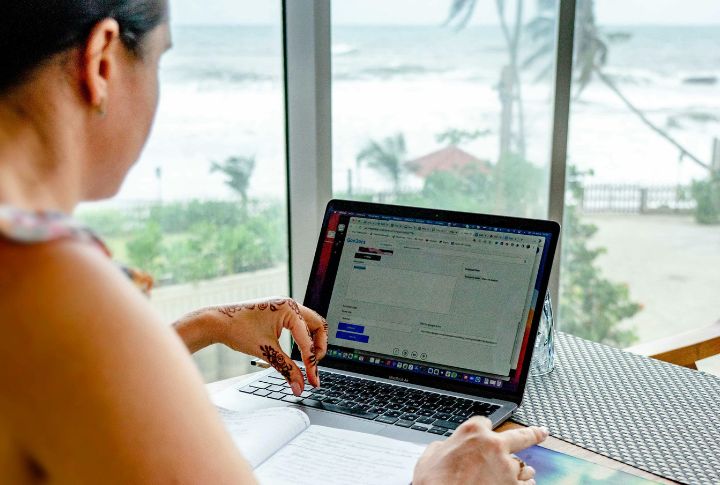
The dream of beachside work draws people in fast. The reality hits harder with weak Wi-Fi and constant relocation draining energy. Some early Bali nomads eventually returned home after burnout, which made the lifestyle’s polished image look far more temporary than the feeds suggested.
Performative Activism (Slacktivism)
The Ice Bucket Challenge proved how quickly a cause can turn into entertainment. Today’s quick-share activism often leaves people stuck in outrage cycles that never resolve anything. Offline, the emotional load grows heavier as guilt builds, conflicts pop up, and meaningful involvement feels farther away.
Body Positivity Filters And Challenges
A selfie trend may look uplifting at first, though many feel the shift as soon as comments roll in and comparisons sharpen. Filters and “authentic” posts blur reality until confidence feels staged. Influencers eventually pointed out how the original #BodyPositivity message softened once brands turned it into a sales tool.
Zero-Waste Eco-Lifestyle
Bea Johnson’s famous jar of yearly trash created a powerful image of control. Anyone trying to follow those steps soon discovers how demanding the lifestyle becomes through constant planning, higher costs, and tricky compost situations. Every day routines start feeling heavier even as the online aesthetic still looks effortless.
Side Hustle Mania
The idea of extra income sounds smart when seen on LinkedIn. Reality kicks in as late nights blur together and personal time disappears under bookkeeping and deadlines. Etsy sellers often talk about losing joy in their craft. Gary Vaynerchuk later acknowledged that his own hustle habits damaged his health.
Mental Health Oversharing
Posting personal struggles can feel freeing during the moment of recording. The fallout arrives later through unwanted commentary and the sinking feeling of sharing too much. Careers and relationships absorb the impact. Brene Brown eventually reminded people that vulnerability works only when safety exists around it.