

 Emily Flores

Everyone’s convinced their phone is listening. Here’s the truth: microphone surveillance is less invasive than what’s really going on. Your iPhone doesn’t need to hear you talk because it’s already watching everything else—how you move, what you read, when you’re awake. Let’s read further.
App Tracking Via IDFA (Identifier For Advertisers)
Before 2021, almost nobody had heard of IDFA. This unique tracking number lives inside every iPhone, serving as a digital fingerprint that advertisers use to track your app activity across the entire ecosystem. Your IDFA is essentially a secret ID card that’s been trailing you through every app you’ve ever opened.
Data Sharing Through App SDKs
Why do a cooking app and a fitness tracker show you identical advertisements? The answer lies in SDKs—software development kits that apps use like prefabricated building blocks. These invisible toolkits come from ad networks and quietly record everything: which buttons you tap or how long you linger on specific screens.
Wi-Fi And Bluetooth Location Mapping
Your favorite coffee shop’s Wi-Fi router has become an unwitting accomplice in tracking your morning routine. iPhones don’t need GPS to know exactly where you are. They’ve built something far more subtle. Nearby Wi-Fi networks and Bluetooth signals create a unique location signature that your device recognizes and records.
Keyboard And Typing Predictions Feeding Ad Algorithms
The speed of your typing reveals more than you’d ever imagine. That keyboard analyzes how fast your fingers move to detect whether you’re stressed, relaxed, excited, or contemplative. This behavioral profiling happens entirely in the background while you’re focused on composing messages or searching the web.
Siri’s Passive Data Retention
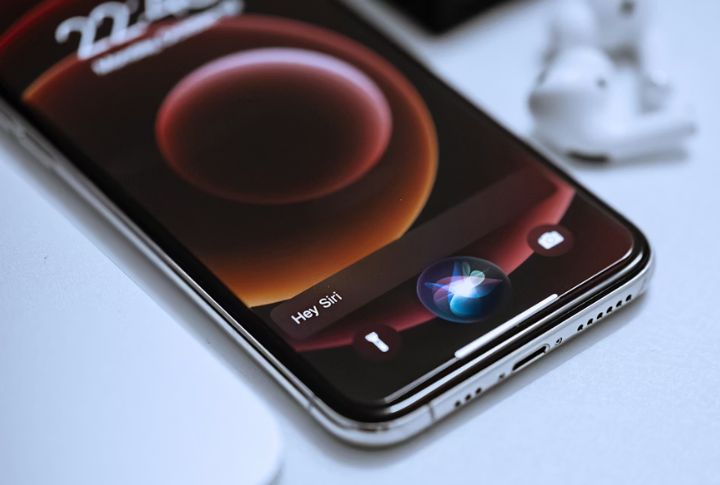
In 2019, a revelation shook Apple’s privacy reputation: human contractors were listening to random Siri recordings, including plenty that started completely by accident. Say something that sounds vaguely like “Hey Siri,” and your iPhone springs to life, capturing whatever happens next in a mini recording session.
Icloud Analytics And User Behavior Tracking
Deleted notes don’t actually disappear. They just leave behind “digital footprints” that tell their own story. Apple’s iCloud system collects supposedly anonymous data about how users interact with every service and app in their ecosystem. These behavioral insights drive improvements in features like Photos search algorithms and Notes organization.
Cross-Device Ecosystem Tracking
Your devices gossip about you constantly. In fact, they communicate with each other more in a week than you probably talk to your best friends. That magical moment when you start typing on your iPhone and finish seamlessly on your Mac? It’s powered by Apple, tracking your activity across every device simultaneously.
Ad Personalization Through App Store
Read three articles about marathon training, and Apple News suddenly thinks you’re training for the Olympics. The App Store and Apple News are sophisticated tracking systems that monitor everything you read, download, and interact with. This behavioral data shapes which apps appear in your recommendations.
Third-Party Ad Networks Embedded In “Free” Apps
That adorable puzzle game you downloaded for zero dollars is making money by selling you. Free apps rarely exist out of developer generosity. They’re data collection operations wrapped in entertainment. These apps contain embedded ad networks that harvest user information and share it with dozens of companies you’ve never heard of.
Metadata Mining From Photos And Messages
Photos carry hidden information tags—location coordinates, camera settings, timestamps—that reveal your habits and movements with surprising precision. Apple still sees metadata: who you’re texting, when you’re texting them, how often, and what types of files you’re sharing. These digital breadcrumbs create pattern maps of your interests.