

 Bruno Pugh
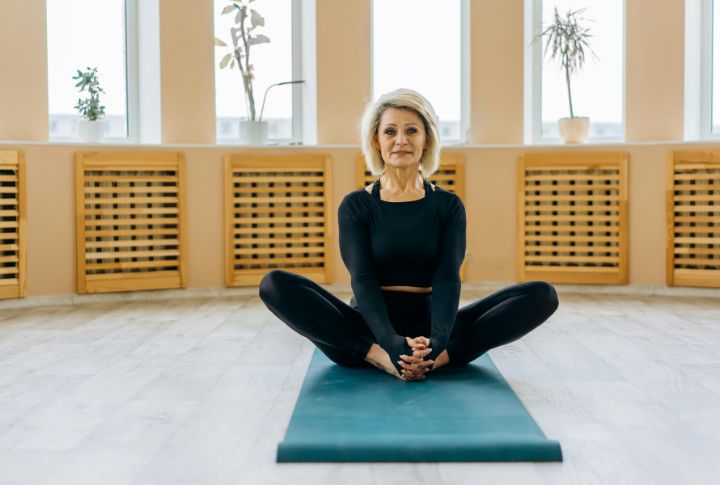
Funny how a small habit can blow up into something much bigger. One moment, it’s just a trend people try for fun, then suddenly it’s building communities and picking up real meaning along the way. It’s surprising how quickly things grow once people feel a connection. So, let’s see what that really looks like.
Yoga
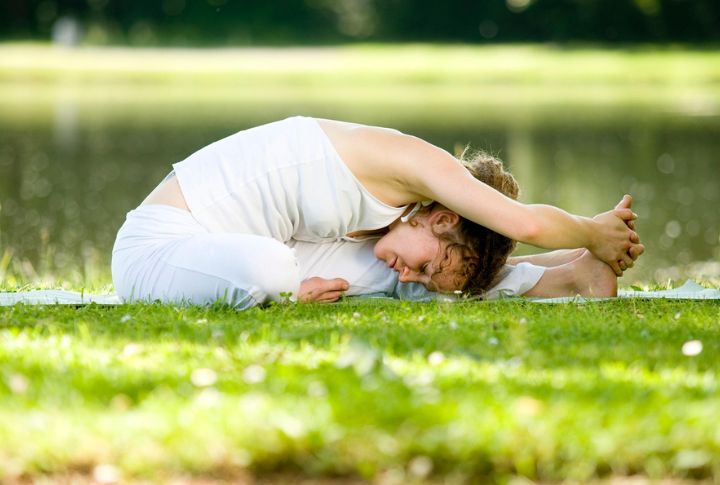
Stories from ancient India describe a practice built around steady breath and a calmer mind. Centuries later, it slipped into Western culture as a simple exercise fad before growing into something much larger. Studios filled up, and quirky twists like goat yoga showed how far its influence traveled.
Scientology
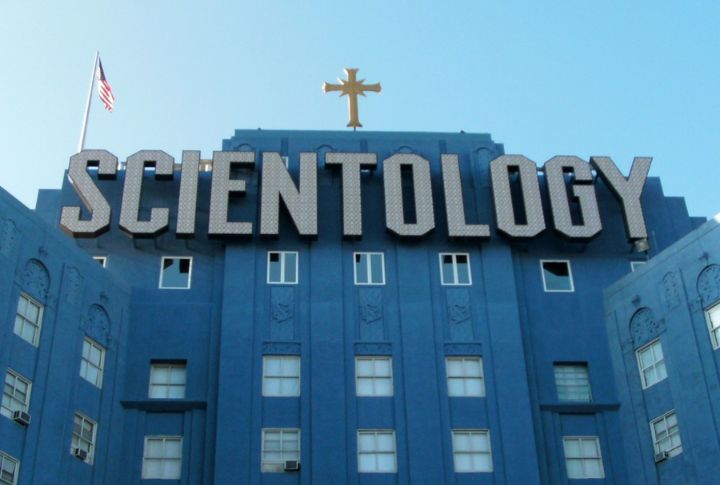
Scientology took shape in the 1950s when L. Ron Hubbard expanded his earlier self-help concepts into a full religious structure. The system centers on the idea that humans are spiritual beings, called thetans, who carry hidden burdens from past experiences. Practitioners use a process called auditing to work through those blocks.
Astrology

Curiosity about the sky has deep roots, stretching back to ancient Babylon, where early observers tracked planets and stars. Modern readers met it in a different way, thanks to newspaper horoscopes that became daily habits. Some even scan zodiac signs before dating and treat it like a cosmic compatibility check.
Wicca Or Modern Witchcraft

A movement that emerged in mid-20th-century England framed nature as sacred and treated seasonal cycles as guideposts. Spell books piled into bookstores and brought the practice into mainstream spaces. Weddings, known as handfastings, added a distinctive cultural thread that signaled a shift from niche interest to genuine identity.
New Age Crystal Healing
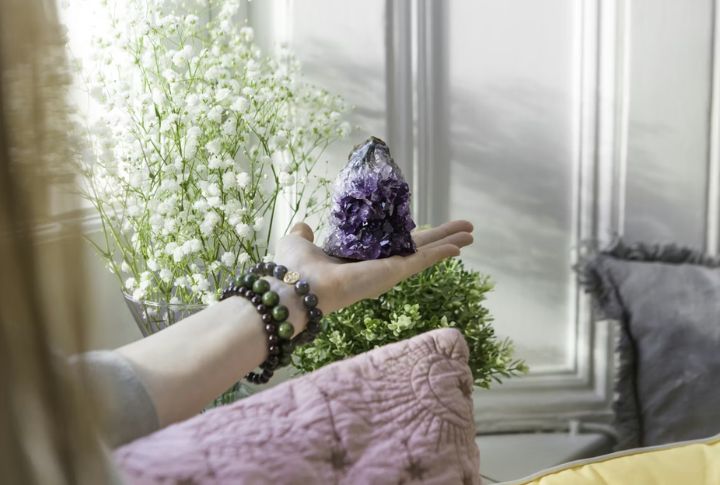
The rise of the 1980s New Age wave pushed crystals into the spotlight as tools for spiritual energy work. Amethyst gained a calming reputation while rose quartz carried a “love stone” nickname. As shops stocked up, the trend settled into everyday routines and reshaped how people talked about energy.