

 Johann Hunt
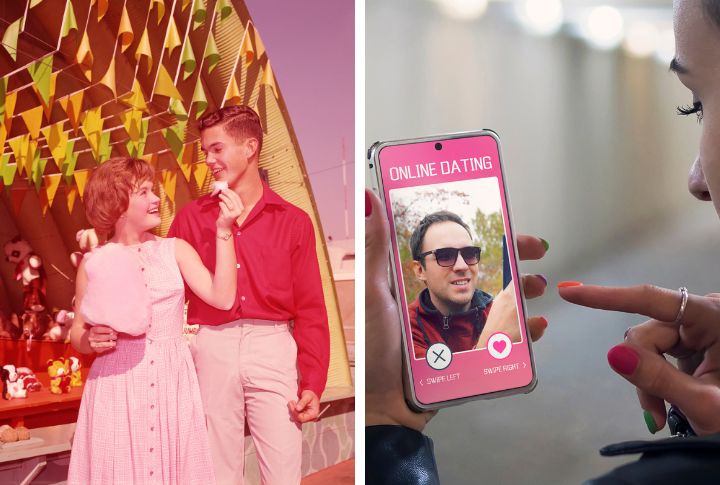
Romance has a way of adapting to the times. Since the 1930s, how couples meet has shifted dramatically to reflect broader social changes like wars and pandemics. We’ve moved from dance halls to dating apps, with plenty of interesting stops. This journey through time reveals how people found love and how society has transformed.
1930s: Dancing into Love
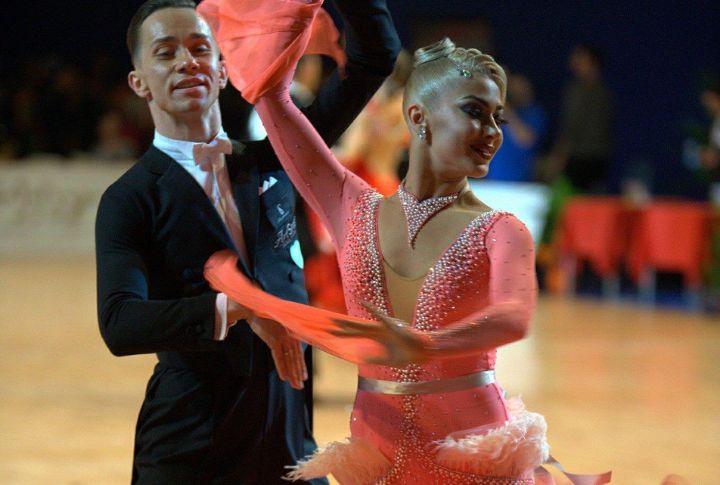
In the swing era, ballrooms buzzed with potential partners. Young folks flocked to dance halls, hoping to catch someone’s eye. It wasn’t just about the jitterbug; these social hubs let singles mingle freely. Churches and family introductions still played significant roles, too.
1940s: War and Love Letters
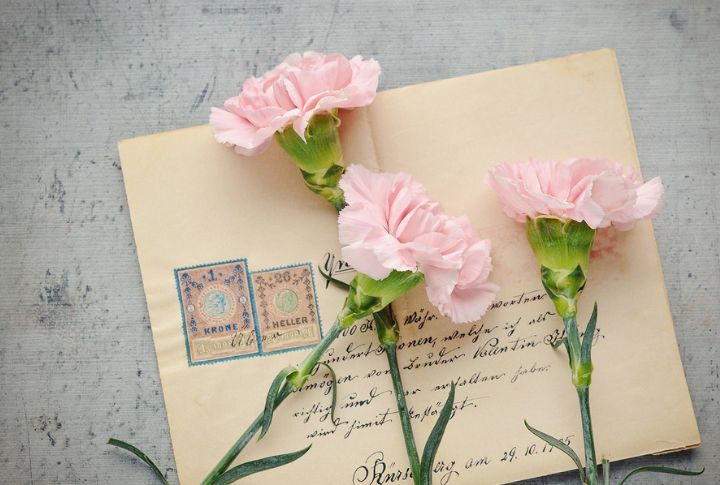
World War II shook up romance. With men overseas, couples often met through letter-writing campaigns. Pen pals turned into sweethearts. Back home, USO dances connected civilians with soldiers on leave. The war’s end sparked a marriage boom as reunited couples tied the knot.
1950s: The Golden Age of Setup

Enter the era of setups and blind dates. Friends and family eagerly played matchmaker. At the same time, high school and college became hotspots for budding romance. Couples back then had a lot of drive-in movies that offered a perfect date night spot. Also, single bars began to gain popularity, which gave adults new chances to hang out.
1960s: Free Love and New Freedoms
The free love revolution challenged old norms, with birth control pills giving women more autonomy. College campuses became hotbeds of new ideas about love and relationships. Meanwhile, “free love” concepts pushed against traditional dating rules. As society opened up, so did ways to connect; personal ads in newspapers gained traction for those seeking romance.
1970s: Singles Scene Takes Off
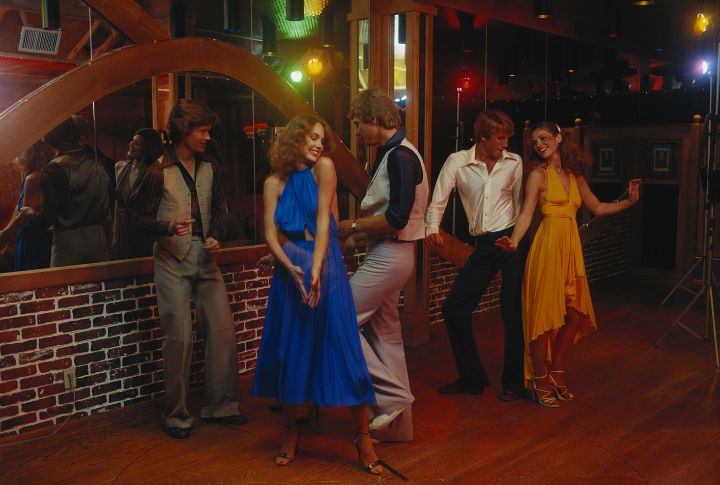
Building on the previous decade’s freedoms, the 70s and disco fever had people flocking to nightclubs, turning dance floors into mating grounds. At the same time, singles bars became a cultural phenomenon. For those seeking a more targeted approach, personal ads grew bolder and more specific. The decade also saw the rise of several organized singles events.
1980s: Video Replaced the Radio Star (But Helped Romance)
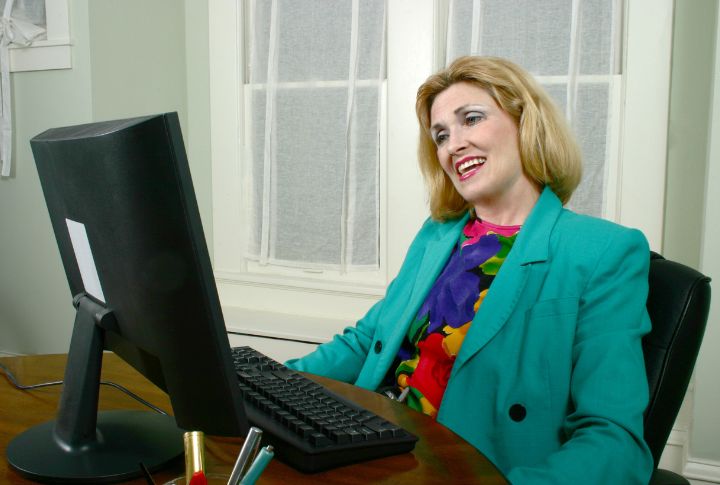
Technology began reshaping romance in the 80s. Video dating services emerged, and this let singles create profiles on tape. The grandpa of dating apps, if you will. For those seeking love on vacation, singles cruises gained popularity. Tech-savvy daters connected via personal computers, which also sparked speed dating. Interestingly, as more women entered the workforce, workplace romances hit their peak.
Workplace Romance: A Changing Story

Office love stories peaked in the 80s and 90s. Today, they’re more complicated. While many companies may have strict policies on workplace dating, some companies may be more relaxed. The #MeToo movement notably raised awareness about the mishandling of power dynamics. Still, surveys show a significant number of people meet partners at work.
1990s: You’ve Got Mail!
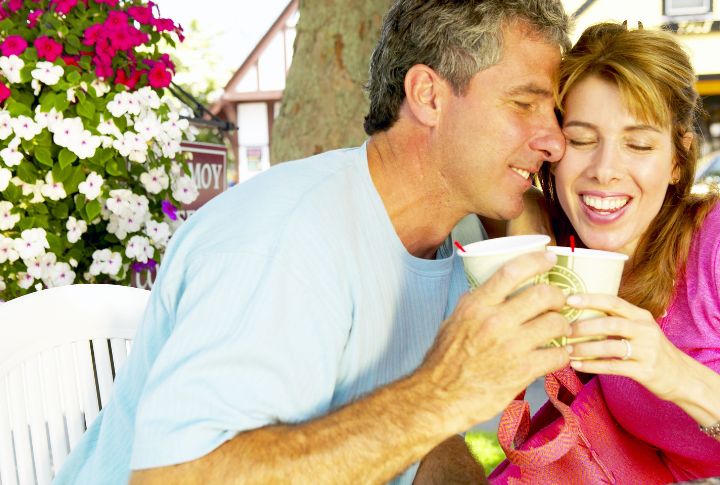
The internet changed everything in this era. Singles became aware that they could use email and chat rooms to connect with compatible people across distances, and they sure did. Dating sites like Match.com launched, though not everyone was open to this invention. Unsurprisingly, coffee shops became the new meeting grounds as Starbucks culture boomed.
The 2000s: Digital Dating Goes Mainstream
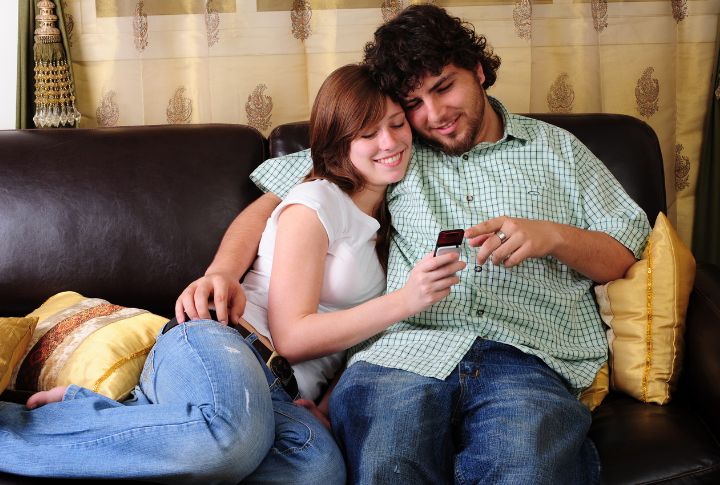
Online dating shed its stigma as people began to let down their guards. In the 2000s, dating sites like eHarmony often used algorithms to suggest the perfect matches. Speed dating and singles events stayed popular. Furthermore, social media platforms like Myspace and Facebook came into the scene and created new ways to connect and stay in touch.
The 2010s: The Rise of the Dating App

As smartphones became common, dating transformed from an in-person pursuit to a digital one. Tinder’s launch in 2012 ignited a cultural revolution that began the concept of “swipe culture.” Consequently, a plethora of niche dating apps emerged to cater to diverse groups and interests. Online platforms became the go-to, and social media stalking before first dates was the norm.
Technology: Friend or Foe to Modern Love?
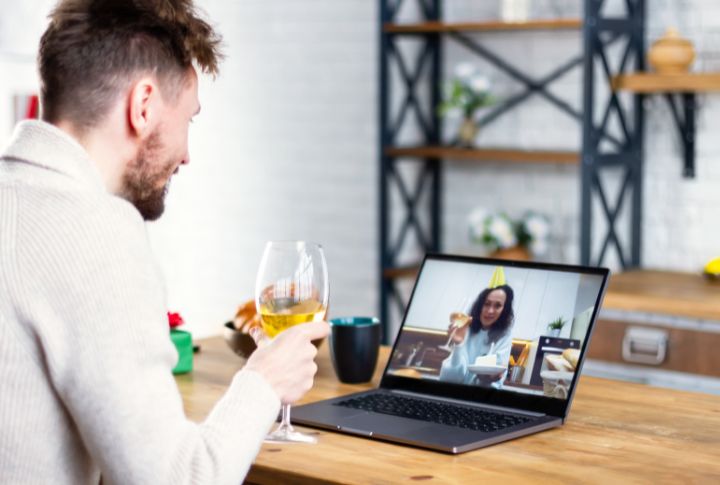
Dating apps have altered the way we connect by offering an unprecedented pool of potential partners. However, this abundance of choice can paradoxically lead to “choice overload.” Social media further complicates the equation by fostering both connection and comparison. While video chats have become a staple for long-distance relationships, there is a growing concern that we might be losing face-to-face communication skills.
2020s: Pandemic Love and Virtual Connections
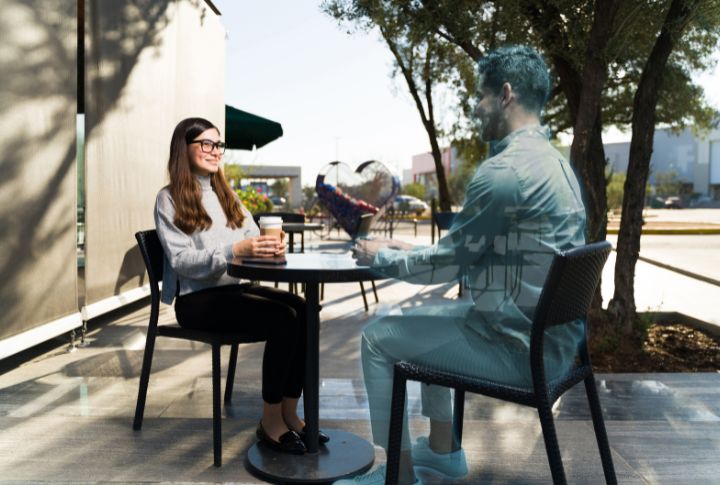
The COVID-19 pandemic brought a noticeable shift in dating habits. As physical interactions became limited, video dates inevitably became popular. There was a growing emphasis on slow dating and cultivating meaningful connections. Tech-forward individuals explored the frontiers of virtual reality and metaverse dating. Then, as lockdown eased, people rediscovered the value of in-person interactions and appreciation for physical connections.
Love Across Borders: The Rise of International Romance
The world’s gotten smaller, and love’s gone global. Blame it on cheaper flights, study abroad programs, or the internet; international romances are booming. Dating apps let you match with cuties continents away! Language exchange sites spark unexpected flames. But it’s not all smooth sailing, as visa issues and culture clashes cause turbulence in their flights.
The Resurgence of Traditional Matchmaking
Ironically, old-school matchmaking is making a resurgence. Some singles are turning to professional matchmakers because they have become tired of the superficiality of dating apps. This trend is in line with the growing emphasis on slow dating and prioritizes quality connections over quantity. Even arranged marriages continue in certain cultures while evolving with modern sensibilities.
What’s Next for Coupling Up?
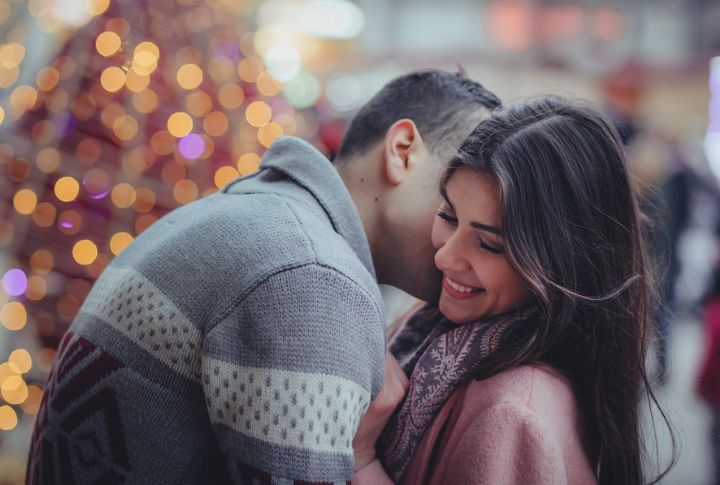
AI and VR may further transform how we meet. Some predict hyper-personalized matching algorithms. Reminds you of the movie Her, doesn’t it? Others think we’ll rebel against tech and embrace more “organic” connections. Climate change is another thing that might influence who we choose as partners. One thing’s sure: humans will keep finding creative ways to fall in love.