

 Devin Jacobs

Boomers are the generation born from 1946-1964. Many of them are close to retirement or already there. As they consider their future living arrangements, one choice is assisted living. Although assisted living has many advantages, countless boomers don’t fancy it. In this list, we’ll tell you about 15 reasons behind this.
Desire for Independence

As old comes, countless boomers still value their independence and autonomy. For many, self-sufficiency and individual freedom are the way to go, and going for assisted living may directly challenge these values. Just the thought of having daily routines and decisions influenced by others, even if well-intentioned, is a turnoff.
Cost Concerns

Some boomers worry about the financial burden of assisted living. They are nearing retirement or already living on fixed incomes. After saving for decades, the cost can seem outrageous compared to staying at home with minimal assistance. The thought that paying for it may deplete their savings too quickly and leave them unstable financially scares them.
Emotional Attachment to Home
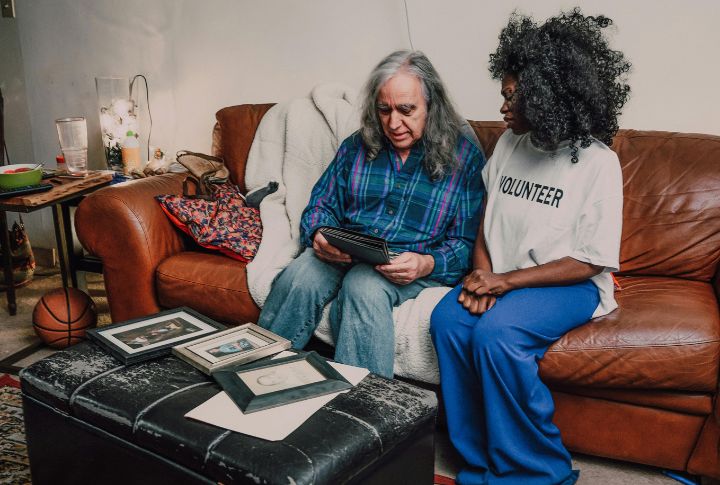
For many Boomers, their house is more than just a physical place; it represents decades of memories, milestones, and individual history. Leaving behind a place that holds so much sentimental value is emotionally overwhelming. Plus, letting go of personal possessions can seem like giving up a part of their identity.
Fear of Institutionalization

When some think of assisted living, they think of becoming just another resident in a controlled system. They may fret about losing the individual touches of daily life, like cooking their meals or maintaining a unique residential environment. Adjusting to an unfamiliar, more structured routine can feel alien and undesirable.
Health and Wellness Optimism
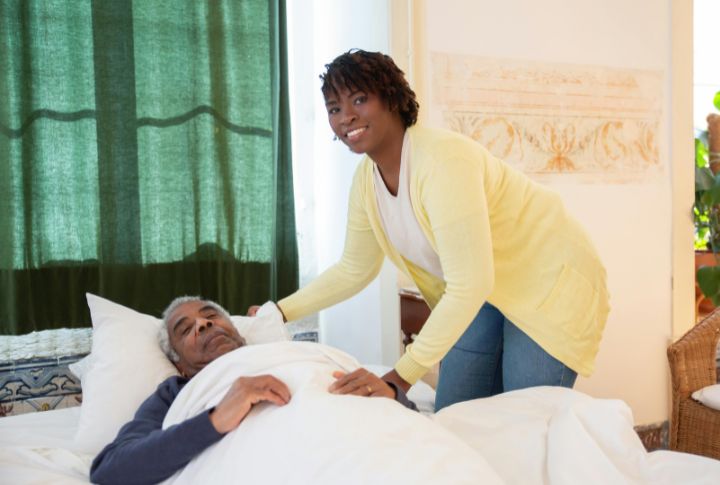
Countless boomers have an “I’ve got this” mentality regarding health. Their optimism makes them expect to maintain independence for a very long time. This optimism can make them reluctant to consider assisted living, as they may argue they can continue to manage on their own or with minimal help from their household or in-home caregivers.
Traditions
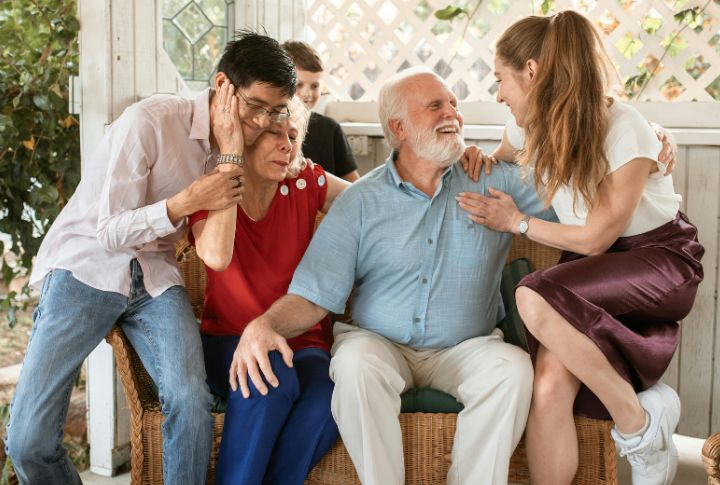
In some family traditions, the idea of aging at home or receiving care from household members is deeply ingrained. Assisted living can be seen as a break from cultural norms for those from such backgrounds. Even if practical reasons suggest the move might be beneficial, they would rather uphold the household values.
Fear of Losing Social Connections
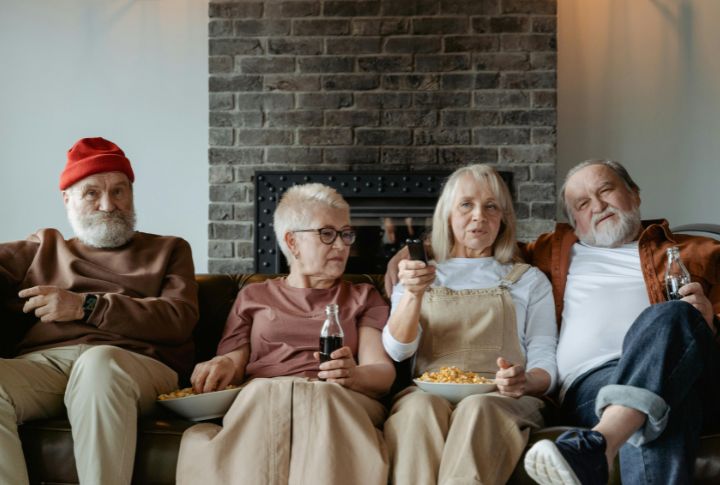
Boomers’ deep ties with people within their communities might not be effectively replicated in an assisted living setting. They may see moving away from familiar neighbors, friends, and local networks as a path to isolation, even if the facility offers social activities. Starting over in a new environment can be hard to embrace.
Privacy Concerns

Privacy remains a key concern for people who have spent their adult lives in their homes, where they control their environment and personal space. Assisted living may involve communal areas and a closer-knit living arrangement with others. It might be uncomfortable to share parts of their lives where boundaries are less clearly defined.
Past Experiences with Parents’ Care
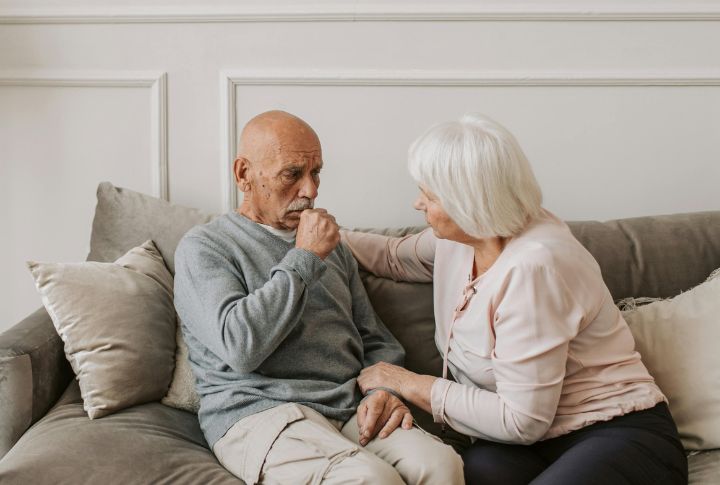
If, when they tried to find assisted living options for their parents, they couldn’t find quality ones, they may have sealed their minds to the idea of it. Boomers might worry that, despite advances in elder care, the same issues could arise when it’s their turn, and they’ll remain skeptical about the overall concept.
Fright of Decline
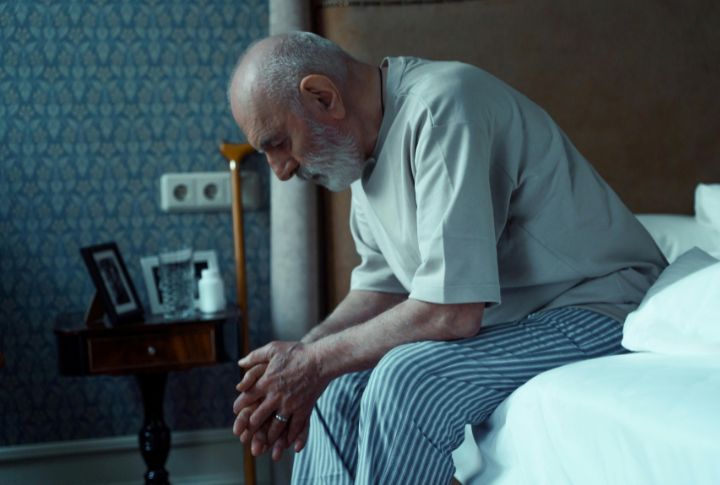
For many, the idea of moving into assisted living is acknowledging that they are aging and can no longer do things like they used to. Accepting this transition can feel like conceding defeat, especially for those who pride themselves on resilience and self-reliance. They’d rather check out other choices than involve them living in their houses.
Distrust of the System
Many Baby Boomers have heard stories of elder mishandling and neglect, so they may not want to put their trust in a system that could fail to meet their needs or protect their well-being. These reports may be rare or isolated, but they can create lasting impressions and fuel fears about vulnerability.
Unfamiliarity with Assisted Living Benefits
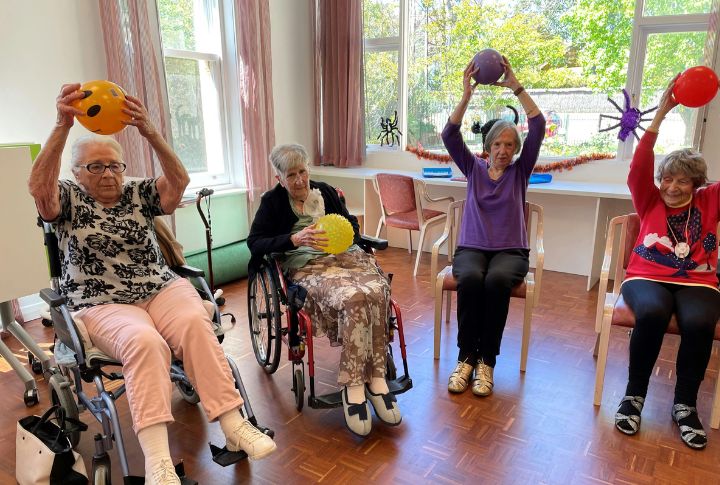
Not all Baby Boomers fully understand the modern offerings of assisted living communities, which have evolved over the years. They may still envision outdated, institutionalized settings and be unaware of the vibrant environments, activities, and support systems that many facilities now provide. Without adequate knowledge of the potential benefits, they’ll dismiss it as an option.
Concerns About Social Status

There’s a stigma attached to moving into assisted living, as it may be viewed as a sign of dependency or frailty. People may worry about what their friends and others will think of them. If being there won’t put them in the light they want to be seen, they will resist considering it.
Preference for Home Modifications
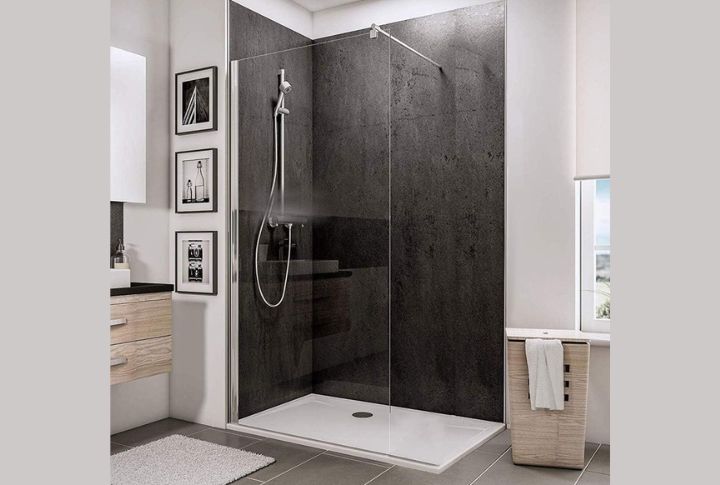
Investing in home modifications—such as installing ramps, stair lifts, or walk-in showers—is a preferred choice for some boomers. These modifications allow them to age in place and may be seen as a more attractive option than relocating. Since they can adapt their existing spaces, why go for assisted living?
Desire to Stay Close to Family
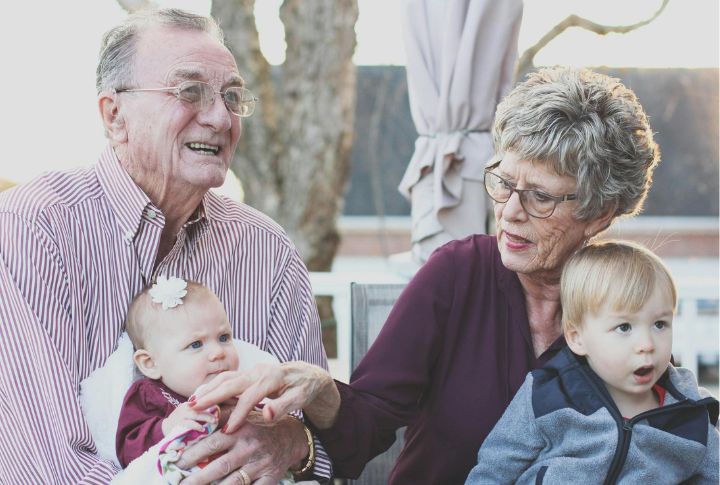
Many boomers want to be involved in the lives of their children and grandchildren, so they’d rather stay where they can easily spend much time with them. In an assisted living space, they may be distant from family, and they will only see their families face-to-face occasionally.