

 Johann Hunt
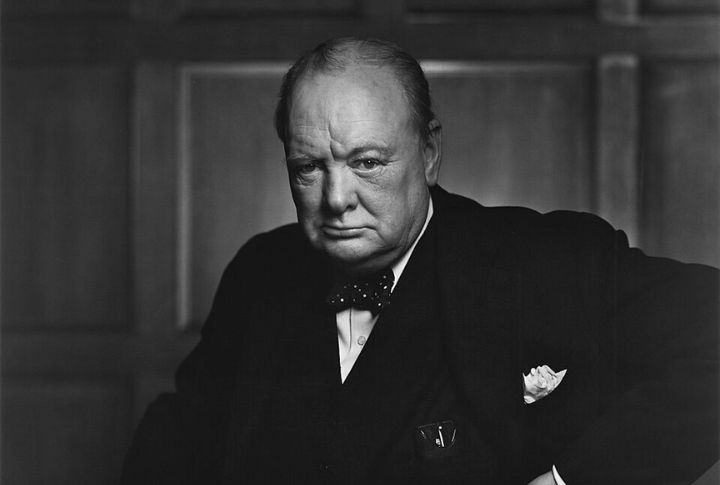
History often highlights greatness but glosses over the pain that came with it. Behind the scenes, many iconic figures battled chronic illness, injury, or emotional strain that shaped their lives in silence. These stories reveal the resilience that history books too often leave behind.
Abraham Lincoln

Dark moods often haunted Lincoln beyond the battlefield. He described his “melancholy” in personal letters, a term experts now associate with clinical depression. Personal tragedies, including the loss of two sons, deepened his suffering. His haunting confession—“I am now the most miserable man living”—is a glimpse into his private despair.
Charles Darwin
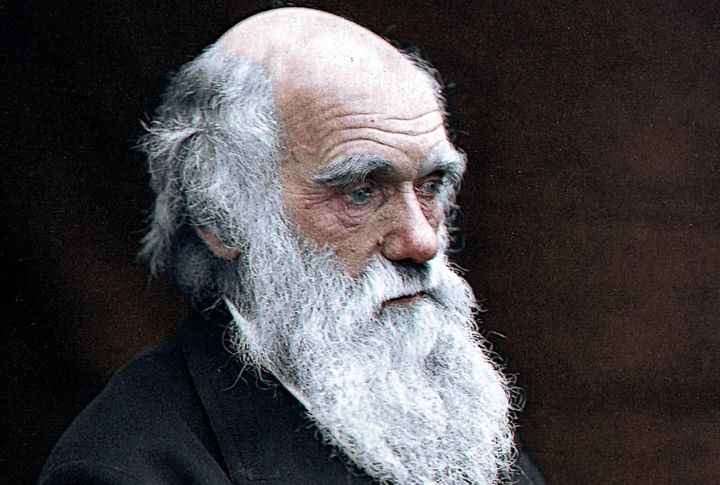
Darwin’s legacy reshaped science, but his body constantly betrayed him. He dealt with stomach problems and anxiety that often kept him confined to his home. In later life, he rarely traveled due to fear that his symptoms would flare. Researchers from the Royal Society of Medicine (2009) believe he may have had Chagas disease.
Florence Nightingale
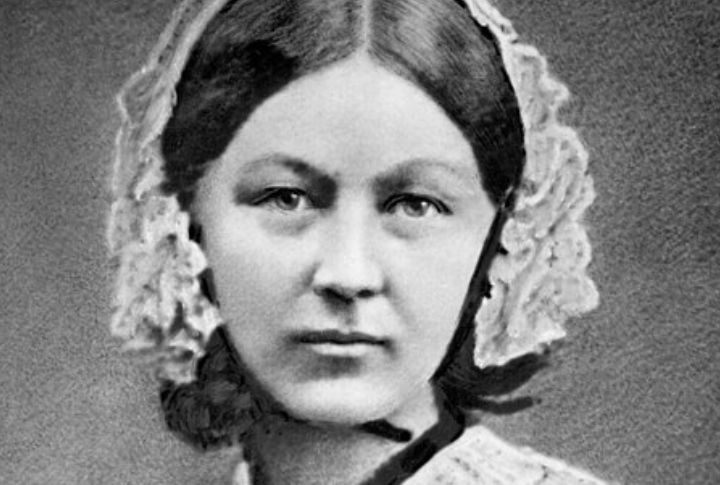
Her work in hospitals changed medicine forever, yet she spent decades stuck in bed. After the Crimean War, she endured pain and depressive episodes that never quite faded. Many speculate she had bipolar II disorder. Still, she continued to write and lead from the confines of her room.
Winston Churchill
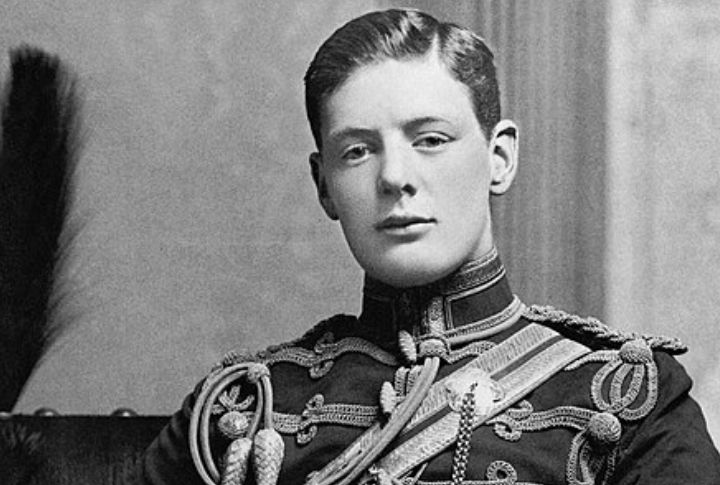
Leadership came naturally to Churchill, but inner peace did not. He called his depression the “black dog” and found relief in writing. He produced 43 books throughout his life. Often seen with a drink in hand, alcohol may have worsened his emotional swings. His low points rarely made headlines.
Ludwig Van Beethoven

Beethoven’s deafness began early, yet his creativity found a way forward. He composed by sensing vibrations, even as illness ravaged his body. Chronic stomach and liver issues never broke his spirit. His Ninth Symphony, finished in near-silence, stands as a powerful reminder of persistence in the face of loss.
Virginia Woolf
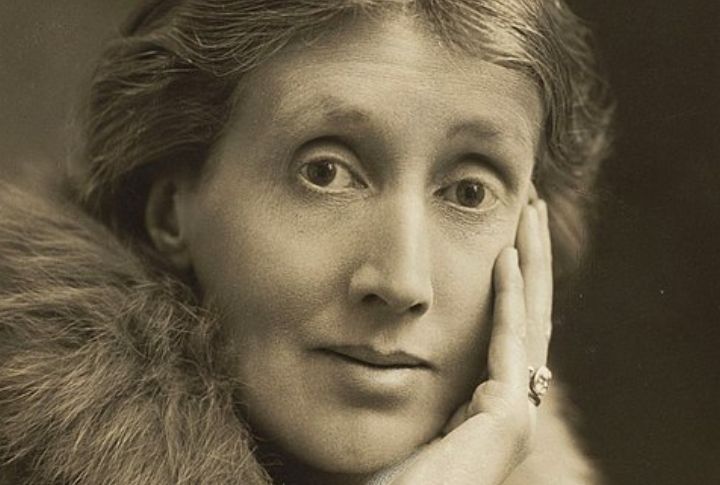
Although writing was Woolf’s lifeline, her mind was a storm she couldn’t always weather. She heard voices, suffered breakdowns, and was institutionalized multiple times. Her novels often explored themes of madness and identity. In 1941, she walked into a river and left behind a final note to her husband.
Vincent Van Gogh
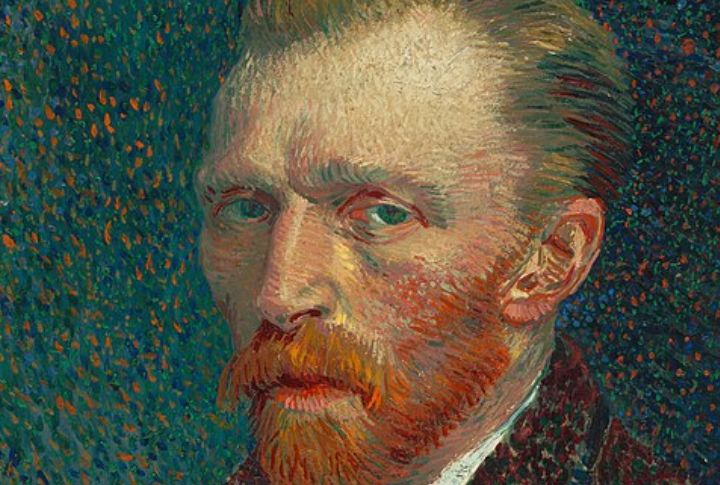
Paint became Van Gogh’s language when his mind turned against him. He experienced hallucinations and frequent hospitalizations. During a breakdown, he famously cut off part of his ear. Some experts suggest lead poisoning played a role in his decline—but his art never slowed.
Emily Dickinson

Home became Dickinson’s world, and she rarely stepped beyond its walls. Emotional turbulence and intense fear of death defined her later years. She dressed in white and kept to her room, where she wrote verse after verse. Only a few of her 1,800 poems saw the light during her lifetime.
Isaac Newton
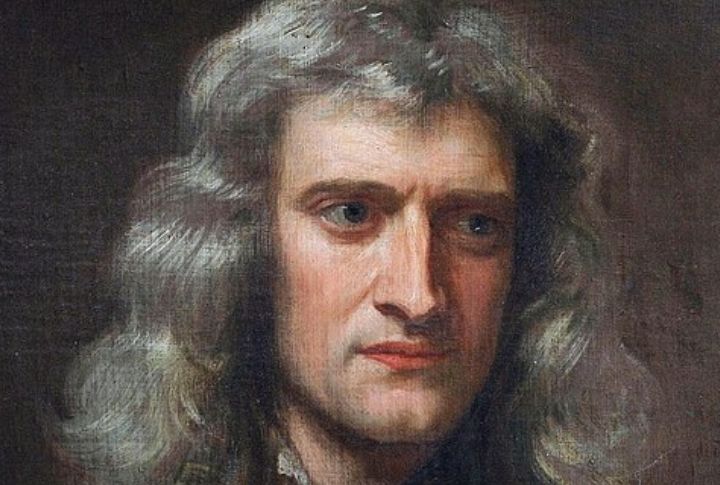
Genius didn’t protect Newton from mental breakdowns. He became increasingly paranoid in later life, once accusing friends of conspiring against him. Years of alchemy work exposed him to mercury, a known neurotoxin. The Royal Society of Chemistry notes that mercury exposure may have intensified his erratic behavior.
Frida Kahlo
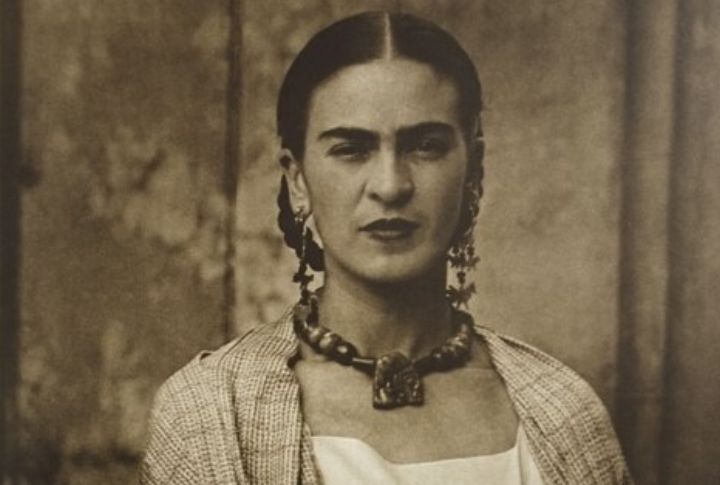
Pain followed Kahlo everywhere—so did defiance. After a horrific bus accident shattered her spine, she underwent over 30 surgeries and relied on braces to function. Depression and fertility struggles compounded her physical anguish. Still, she painted through it all, calling herself “broken,” but never defeated by it.
Napoleon Bonaparte
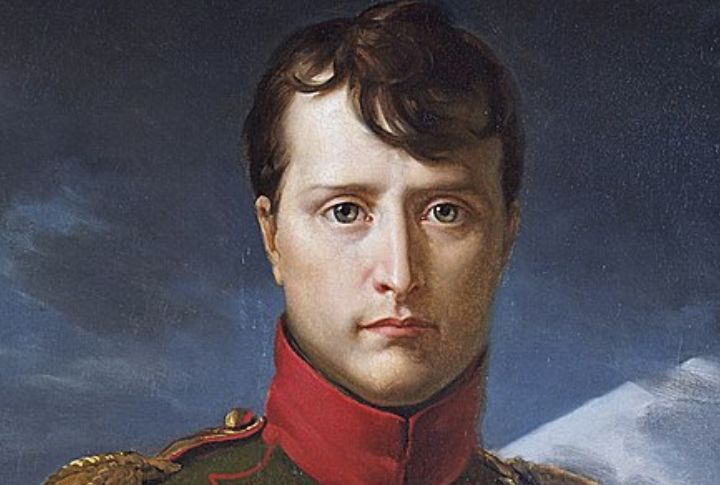
Napoleon regularly complained of stomach pain, and his death at 51 remains debated—some point to stomach cancer, others to arsenic poisoning. Hair samples revealed unusually high arsenic levels, likely absorbed from wallpaper pigment common in the 19th century. Even emperors weren’t immune to toxins.
Edgar Allan Poe
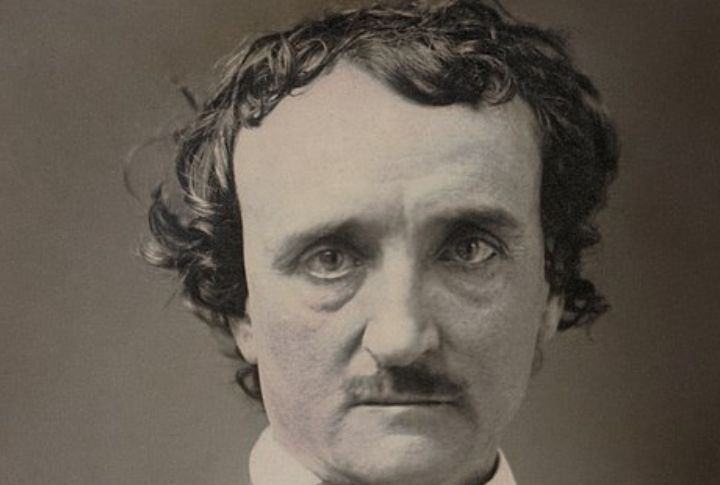
Poe’s haunted fiction echoed his chaotic reality. He battled hallucinations and alcohol use disorder, often slipping into delirium. Just days before his death, he was found incoherent in clothes that weren’t his. Researchers at the University of Maryland Medical Center (2000) proposed rabies as a possible cause, though mystery still clouds his end.
Eleanor Roosevelt
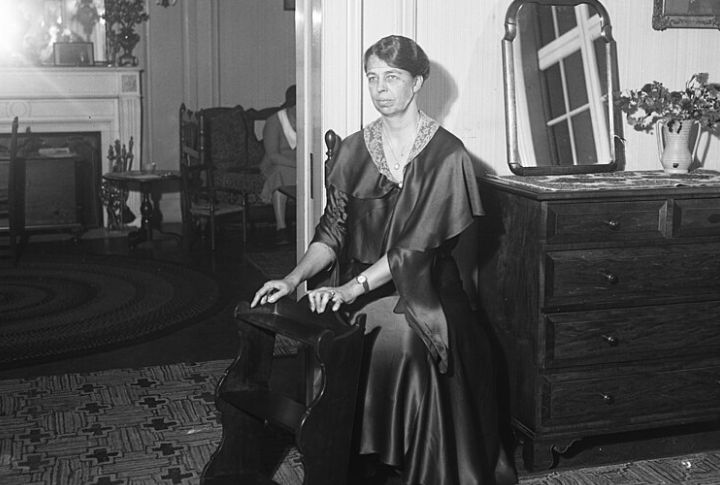
Public life was a heavy burden for Roosevelt. Behind her activism was a woman grappling with fatigue and lifelong insecurity about her appearance. Long walks and emotional support sustained her during low points. By speaking publicly about mental health, she broke barriers long before the topic gained a broader understanding.
Fyodor Dostoevsky
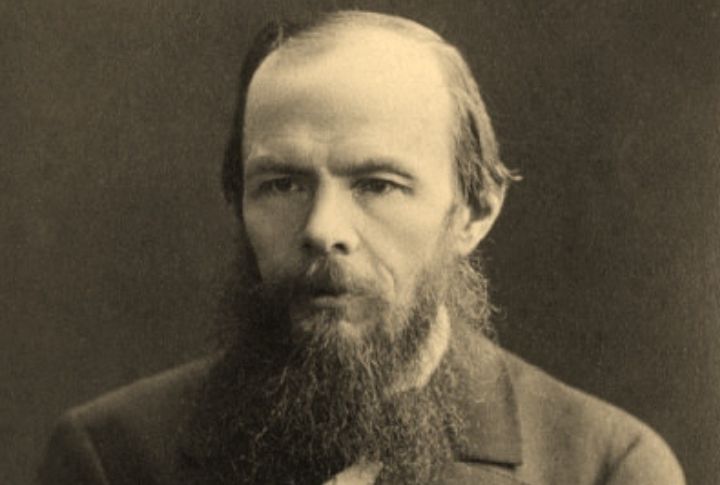
Dostoevsky’s seizures often arrived like storm clouds. Diagnosed with epilepsy, he incorporated his experiences into characters across his novels. The trauma of a near-execution and a worsening gambling addiction fed his anxiety. He once believed his seizures offered spiritual insight—visions he captured vividly in “The Idiot.”
King George III
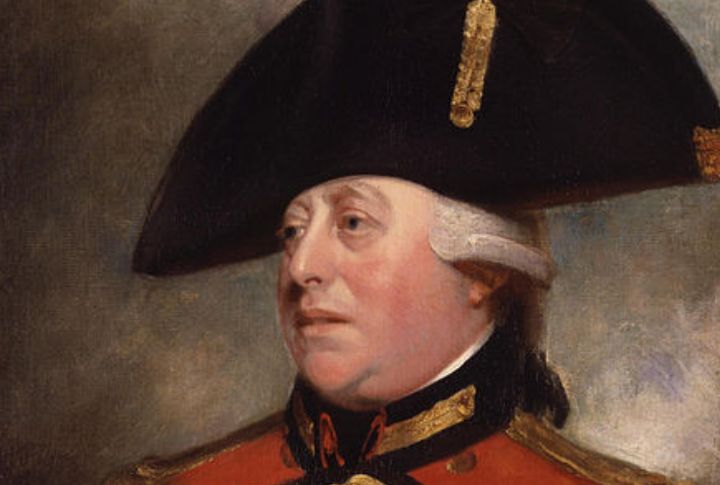
The royal status couldn’t prevent George III’s ailments. He endured erratic speech and manic episodes now linked to porphyria or mental illness. Parliament passed the Regency Act to address his incapacity. At one point, he mistook a tree for a visiting monarch—and in later years, he lost both his sight and hearing.
Sylvia Plath
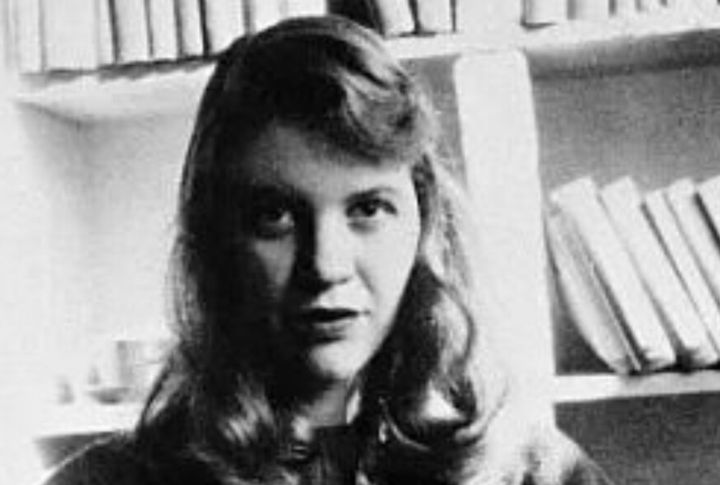
Plath documented her emotional descent with brutal precision. Her journals charted depressive cycles, and she underwent electroconvulsive therapy during hospitalizations. In 1963, she took her own life shortly after publishing “The Bell Jar,” a raw novel mirroring her struggles. Years later, her poetry won a posthumous Pulitzer, which honored the voice she left behind.
Harriet Tubman
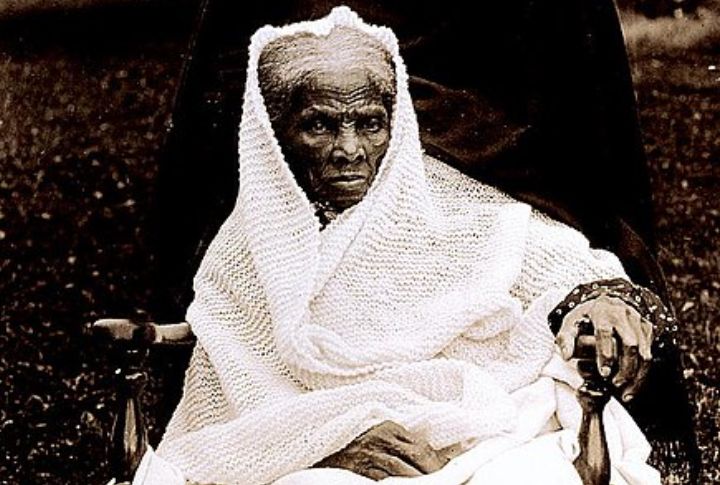
A head injury in childhood changed the course of Tubman’s life. She began experiencing seizures and vivid visions, which she called “sleeping spells.” These episodes often came during moments of decision while leading escapes. Neurologists suggest epilepsy or narcolepsy—conditions that didn’t stop her from rescuing more than 70 people from slavery.
Ernest Hemingway
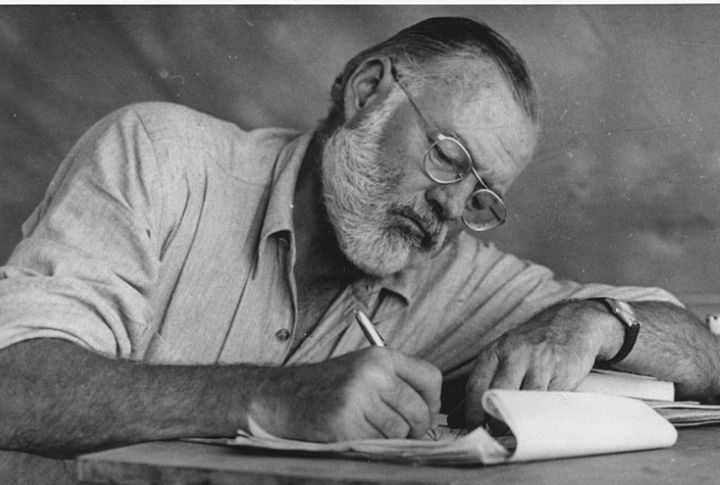
Hemingway’s outward bravado masked a lifelong battle with depression and trauma. Multiple concussions and heavy drinking worsened his mental state. Suicide ran through his family line—and he followed the pattern in 1961. Still, his minimalist prose and literary influence earned him the Nobel Prize in 1954.
Jane Austen
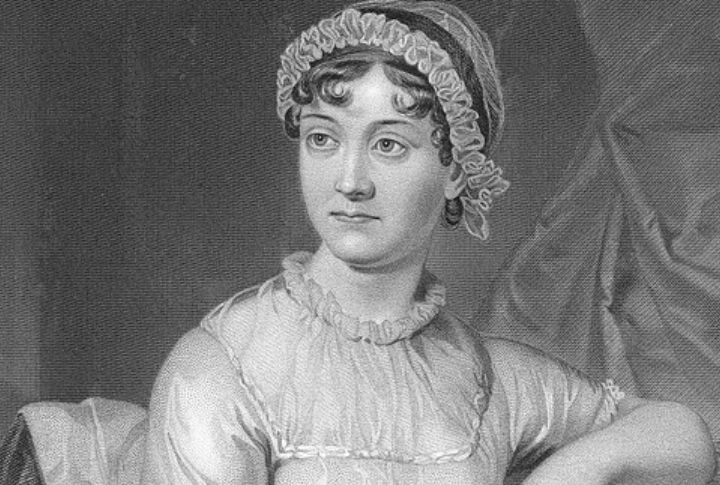
As her health declined, Jane Austen battled fatigue and unexplained symptoms, possibly caused by Addison’s disease or lymphoma. Her focus never shifted from writing. With support from her brother, the novels entered public hands. Though her voice continues through literature, the life behind it came to a quiet end at age 41.
John F. Kennedy
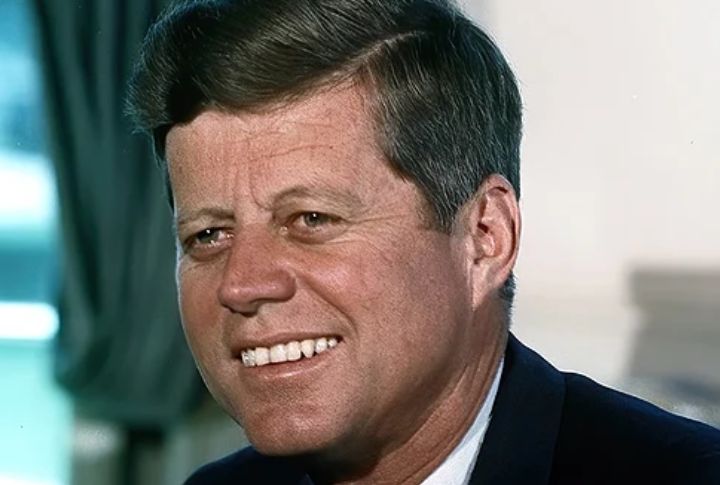
Addison’s disease, spinal injuries from WWII, and daily medications shaped his private reality. A near-fatal back surgery in his 30s was kept secret, concealed to preserve the strong public image essential to his rising political career.