

 Lisa O
There are things people do that help them feel better without making a big deal about it. These aren’t the habits anyone writes on a vision board or tracks in an app. They’re small and forgettable. Most of them happen in the margins of a regular day. But they add up in ways that matter more than the obvious stuff.
Walking Without a Plan
Some people walk to get somewhere or to exercise. But there’s something different about walking just to move. No destination and no reason other than being outside for a while. It clears the head in a way that sitting still never does. The mind wanders, but it doesn’t spiral. Thoughts come and go without sticking around too long. It’s the kind of thing that feels pointless until someone realizes how much calmer they feel after.
Keeping a Plant Alive
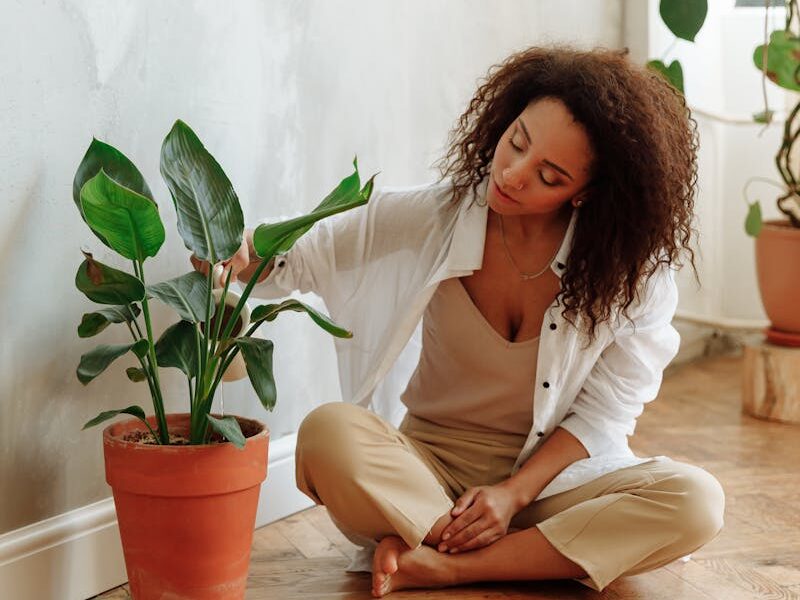
Taking care of something that can’t remind you to water it, teaches you patience. A plant just sits there, and either thrives or doesn’t. People who keep plants around tend to notice small changes. A new leaf or a drooping stem. It forces them to pay attention to something other than their own thoughts. There’s no immediate reward, and no one else cares if the basil is doing well. But it matters anyway.
Saying No When It Feels Right
Turning down plans isn’t lazy. Sometimes it’s just honest. People who say yes to everything end up exhausted and resentful. The ones who skip a dinner or a party now and then seem to have more energy for the things they actually want to do. It doesn’t make them antisocial. It makes them selective. And that’s a different thing entirely.
Listening to One Song on Repeat
There’s comfort in hearing the same thing over and over. It’s predictable, and it doesn’t ask for anything. Some people find a song that matches how they’re feeling and just let it play. It’s not about the lyrics or even the music, really. It’s about having something familiar when everything else feels scattered. No one judges a kid for rewatching the same movie. This is the adult version of that.
Cleaning One Small Space
Doing the whole house feels impossible most days. But one drawer or one corner of the kitchen is manageable. It’s not about being tidy. It’s about control. When someone clears off a counter or organizes a shelf, they’re putting something back in order. That feeling spreads throughout the day. Not always, but sometimes. And sometimes it’s enough.
Cooking Something Simple
Making food from scratch doesn’t have to be complicated—scrambled eggs or toast with butter count. The act of preparing something instead of opening a package changes the mood. It slows things down for a few minutes. The brain focuses on the task and stops running through everything else. It’s grounded in a way that ordering takeout just isn’t.
Sitting Outside for No Reason
Being outside without doing anything feels strange at first. Most people are used to moving, scrolling, or talking. But sitting on a step or a bench and just existing there for five minutes does something—the temperature changes. Sounds come from different directions. It reminds someone that they’re part of a bigger space and that their problems aren’t the only thing happening.
Writing Things Down Somewhere
This isn’t journaling with prompts or reflections. It’s just writing down whatever is taking up space in the head. A thought, a worry, or a random idea. Once it’s on paper, it stops looping. People who do this don’t always read it back. They just need to get it out. A notebook or the back of a receipt works the same.
Calling Instead of Texting
Texts go wrong all the time. Someone’s kidding around, and it sounds rude. Or they’re upset, and it reads like nothing. Voices don’t do that. A five-minute call clears up what fifty texts can’t because hearing how someone says something changes what it means. People sound tired or happy or distracted, and that matters more than whatever words they use.
Letting Boredom Happen
Fighting boredom with constant distraction makes it worse. People who let themselves be bored for a while notice their minds start coming up with ideas on their own. Ideas, plans, or just wandering thoughts that aren’t bad. Boredom isn’t the enemy. It’s just space. And space is where most good things start.
Noticing Textures and Small Details
Running a hand over a rough wall or noticing the way light hits a table isn’t profound. But it pulls someone into the present. People who pause to look at small things seem less trapped in their heads. It’s not mindfulness in the formal sense. It’s just paying attention to something physical and real instead of abstract worries that haven’t happened yet.
Going to Bed Around the Same Time
Sleeping at random hours makes the next day harder. Someone goes to bed at eleven on Monday and two on Tuesday, and their body doesn’t know what’s happening. People who keep their bedtime consistent each night adjust better. Doesn’t need to be exact. Just regular enough that sleep comes easier and waking up doesn’t feel awful.
Leaving the Phone in Another Room
Phones sitting on the table get picked up every few minutes for no real reason. Moving it to another room for a while opens up time that didn’t seem to exist before. Conversations don’t get interrupted mid-sentence. Work gets done without that nagging urge to check notifications. The quiet in someone’s head changes when the phone isn’t right there, pulling their attention away from whatever they’re doing.
Watching Something Familiar
Rewatching a show or a movie that someone’s already seen removes the pressure of following a new plot. It’s comfort without effort. The brain knows what’s coming and doesn’t have to work. People who do this aren’t avoiding new things. They’re just giving themselves a break. Familiar stories feel like visiting an old friend who doesn’t expect anything from you.
Moving Slowly on Purpose
Stretching for a few seconds while standing around waiting for something releases tension that running never touches. The shoulders drop. Breathing slows down on its own. Someone might roll their neck while the kettle boils and realize how tight their jaw was. There’s no plan to it. The body just needs permission to move without trying hard.