

 Emily Flores
Medieval artists were master code-breakers, hiding secrets in plain sight. Behind every saint’s halo and angel’s wing, they hid away symbols, warnings, and visual puzzles that would make even modern mystery writers jealous. These paintings are conversations across centuries, and every detail whispers, “There’s more here than meets the eye.” Let’s take a look at 10 of these paintings and the hidden stories they have been keeping.
Arnolfini Portrait
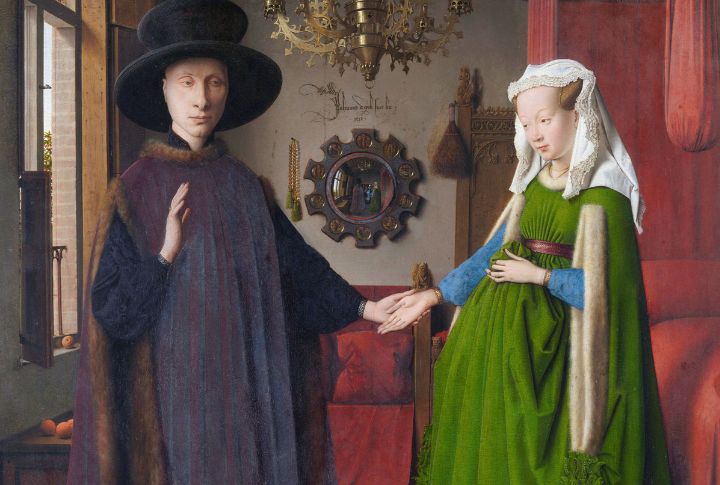
Jan van Eyck’s “Arnolfini Portrait” has long fascinated art historians. A convex mirror reflects unseen figures, possibly witnesses or Eyck himself, and the overhead inscription is the artist’s signature. Symbolism runs deep in this one: the small dog suggests loyalty, and the oranges might represent wealth or potential fertility themes.
Garden Of Earthly Delights
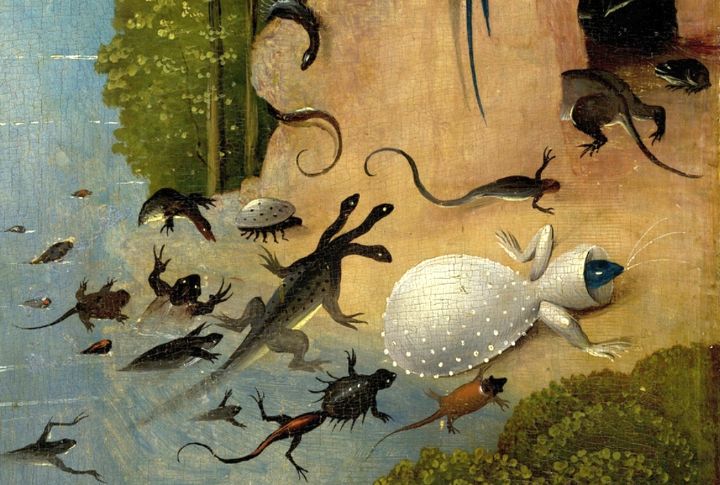
Each panel tells a cautionary tale in this painting—from Eden to sinful pleasure and finally hell. Hieronymus Bosch’s “Garden of Earthly Delights” swarms with surreal figures and unsettling imagery. One standout detail is that the musical notes painted on a punished soul’s bottom were deciphered and turned into an actual melody centuries later.
Adoration Of The Magi
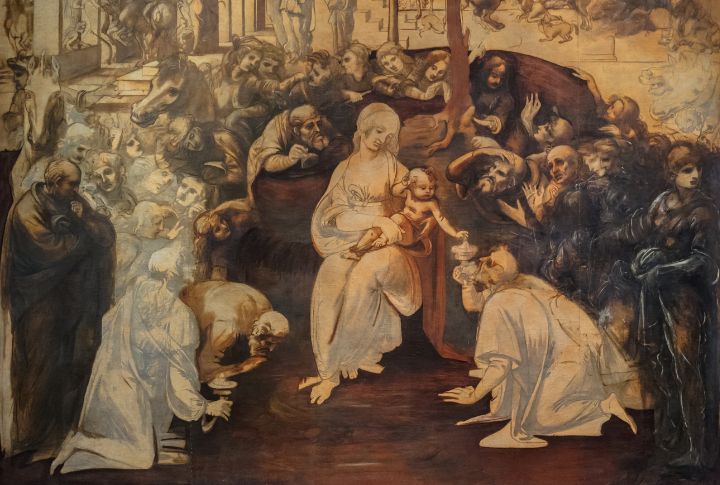
Leonardo da Vinci’s unfinished “Adoration of the Magi” juxtaposes calm central figures with violent scenes in the background. Ruined architecture and warring horsemen suggest spiritual unrest beneath outward devotion. Painted at just 29, the work remains one of Leonardo’s most studied for its complexity and layered symbolic intent.
The Ghent Altarpiece
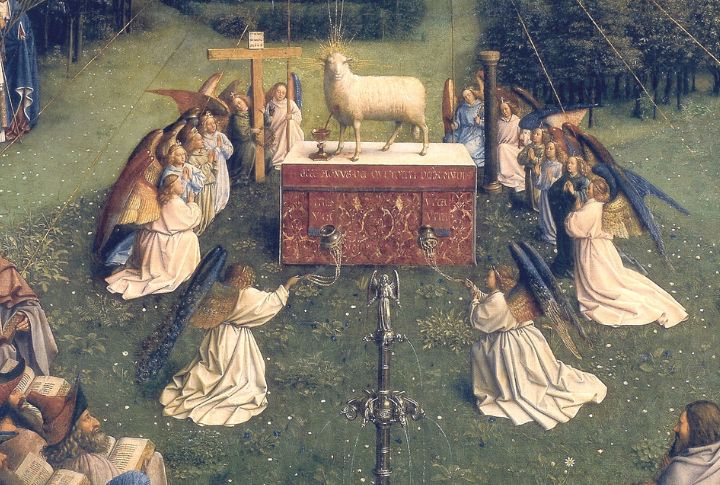
“The Ghent Altarpiece” by Jan van Eyck has a dramatic history marked by multiple thefts, with one panel still missing today. At its center is the “Mystic Lamb,” symbolizing Christ’s sacrifice as it bleeds into a chalice. Van Eyck’s precise geometry and rich symbolism create a powerful visual message about salvation and divine mercy.
The Haywain Triptych
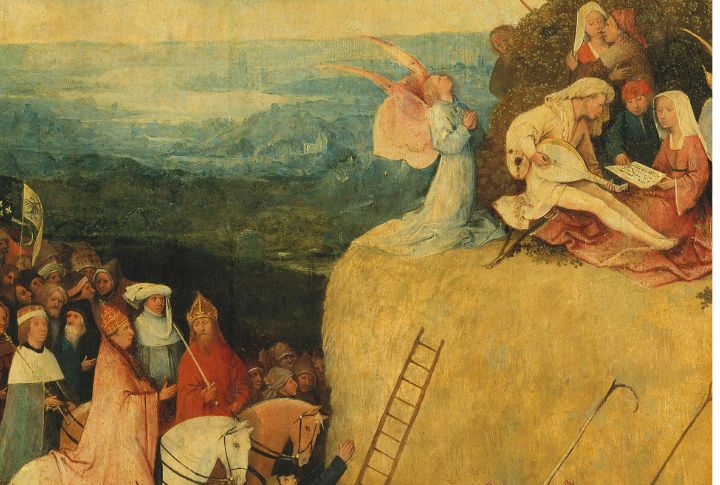
Through vivid symbolism, “Haywain Triptych” charts humanity’s descent from innocence to damnation and presents temptation and delusion as forces leading to spiritual ruin. At the center, a hay cart lures all social classes, representing greed’s pull. This work by Bosch remains a powerful moral allegory on the dangers of worldly desire.
Last Supper
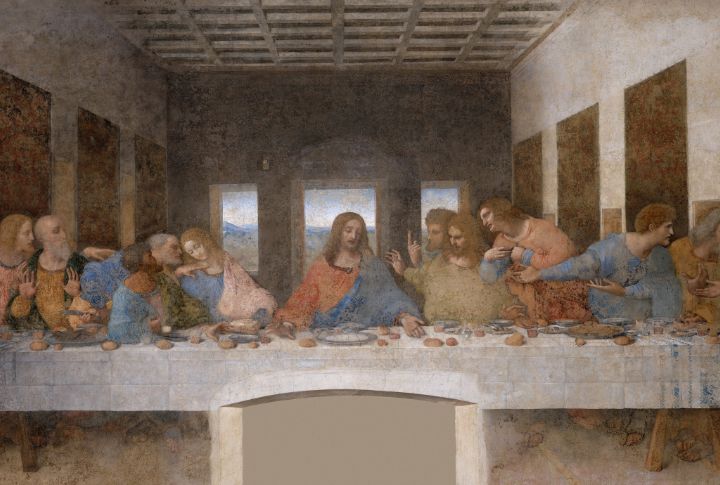
Leonardo used visual structure to encode betrayal in “The Last Supper.” Judas, the betrayer, is set apart from the others through body language and subtle spacing, and if you look closer, you’ll spot spilled salt near Judas—a powerful folkloric symbol of misfortune and broken trust.
Madonna Of Chancellor Rolin
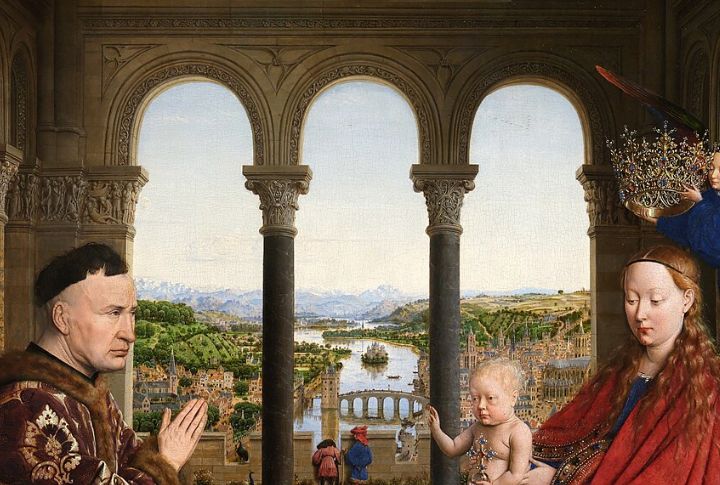
In “Madonna of Chancellor Rolin,” van Eyck creates a striking balance between sacred reverence and political identity. Angels hover in devotion, peacocks add symbolic richness, and the background may portray Autun, Rolin’s hometown. The work blends religious iconography with a subtle expression of personal and civic pride.
Ship Of Fools
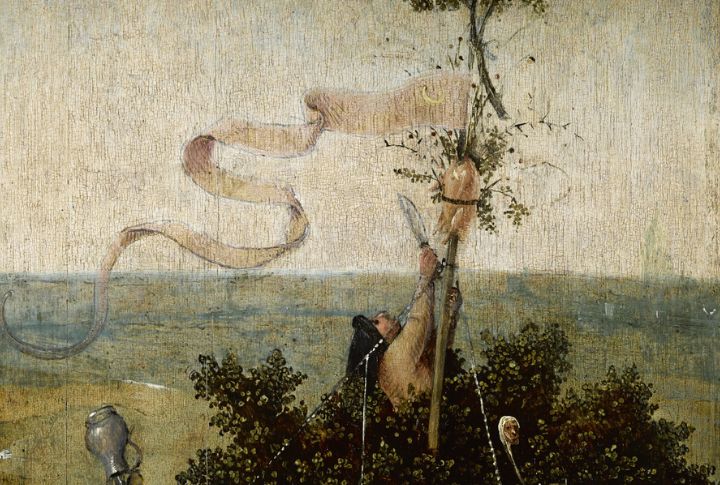
The painting’s floating metaphor and chaotic scenes highlight human folly, and some scholars interpret it as a critique of corrupt clergy. In “Ship of Fools,” Bosch uses absurd, drifting figures to explore societal dysfunction. Created just before the Protestant Reformation, its timing adds to the painting’s interpretive weight.
Portrait Of Ginevra De’ Benci
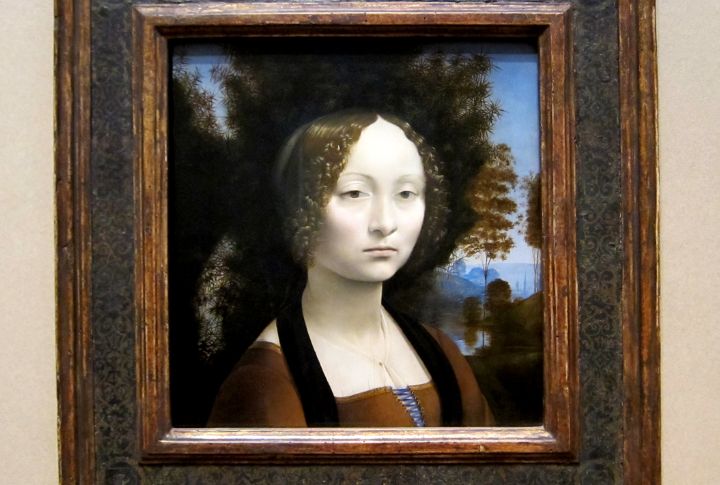
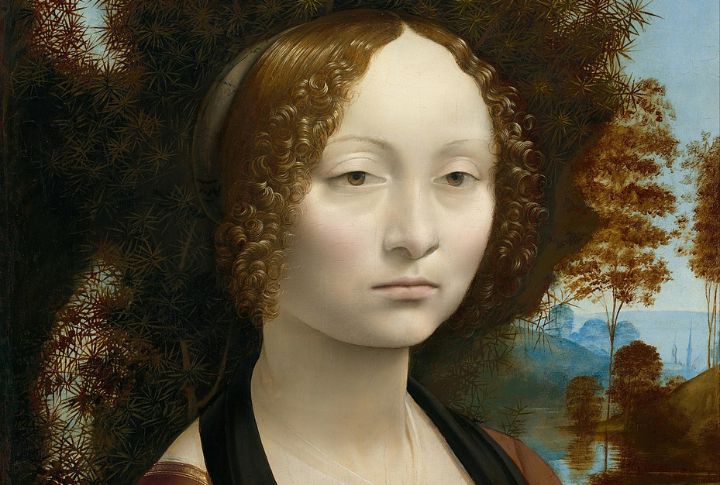
Leonardo painted a juniper bush behind Ginevra as a clever play on her name, and the phrase “Beauty Adorns Virtue” is also included. On the back of the painting, there’s a design with laurel, palm, and juniper—symbols that together suggest ideas about virtue, honor, and beauty. The portrait shows Leonardo’s early symbolic finesse.
Annunciation
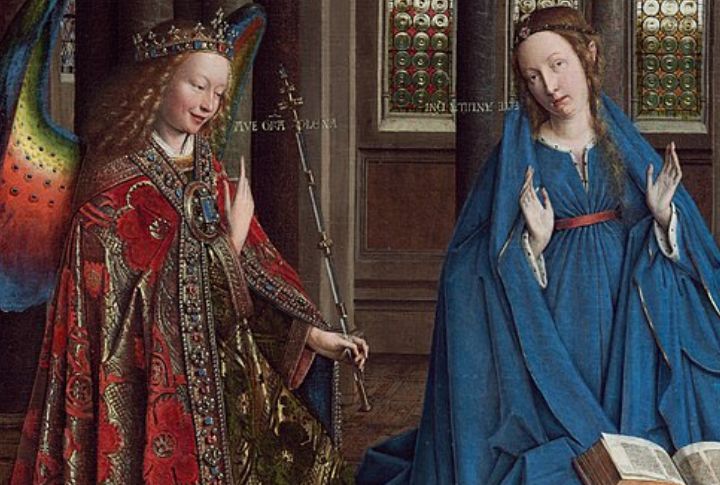
“Annunciation” channels divine significance through architectural precision, where Gothic arches frame the Virgin’s encounter with Gabriel. Every detail Jan van Eyck paints is intentional—floor tiles depict Old Testament scenes, and create a visual connection between ancient prophecy and the sacred.