

 Johann Hunt

We like to think we’re driven by the right reasons. However, if you pause long enough to question your own motives, things get uncomfortable fast. Most people know the gap between what they say and what they actually do is wider than they admit. Here are the uncomfortable truths that people would rather not face about themselves.
Do We Value Honesty Only When It Favors Us?

Honesty is admired in theory, but many quietly resent it when the truth cuts too deep. Selective honesty becomes a shield to protect one’s self-image. “Brutal honesty” has ended plenty of dinners early, which explains why white lies remain everyone’s favorite escape route.
Are We Staying In Relationships We’ve Already Outgrown?

Sometimes two people share a home long after they’ve stopped sharing a life. Emotional distance becomes routine, and the fear of change keeps them glued in place. Some couples practically live as roommates, even joking with friends about “breakup anniversaries.”
Do We Chase Success More For Applause Than Fulfillment?

Success often turns into a stage individuals step onto in the hope that the crowd claps loud enough to drown out doubt. The recognition feels intoxicating, sometimes more than the work itself. Social media adds to it, turning every achievement into a mini performance.
Are We Kinder In Public Than In Private?

Public kindness often becomes a performance. People act extra polite when others might judge them, then switch off the moment the audience disappears. Some even donate only when someone’s watching. Real kindness shows up behind closed doors, not in rehearsed compliments.
Do We Forgive Mainly To Look Virtuous?

Some claim they’ve “let go” because it sounds admirable, even when real healing never happened. Greeting cards overflow with forgiveness quotes, and social media praises those who “rise above”—yet many of those posts mask unfinished hurt and unspoken resentment.
Are We Loyal To Friends Only When It Benefits Us?

Some friendships last more out of convenience than real connection. Someone shows up when it’s easy or useful, then quietly disappears the moment effort is needed. Memes and group-chat gossip keep things alive, but true loyalty appears only when support is required in difficult moments.
Do We Pursue Wealth More To Impress Than To Secure?

For many, wealth turns into a display instead of protection. Flashy purchases seem more satisfying compared to saving. Some rent luxury cars for photos or buy designer shoes while bills wait, showing how appearances often outweigh the pursuit of lasting financial stability.
Are We Proud Of Heroes We Barely Know?
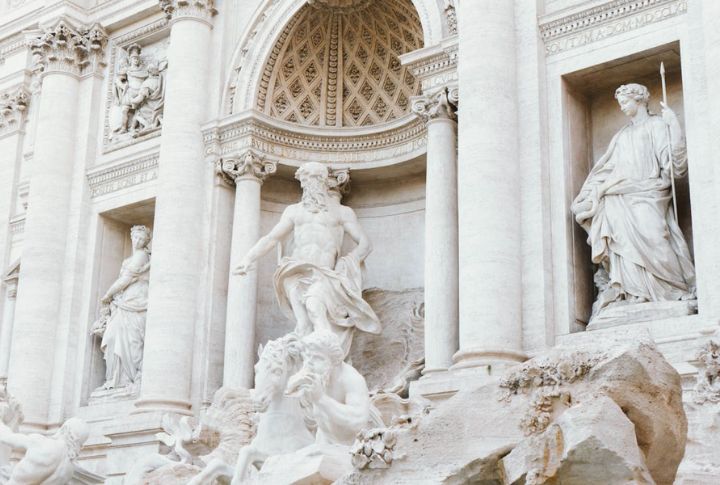
Admiration often comes from tiny fragments of information rather than the full picture. Public figures get celebrated through secondhand stories, not firsthand truth. Statues remain untouched, flaws fade into the background, and loving the myth feels far easier than understanding the complicated human behind it.
Do We Hide Our True Selves To Be Accepted?

Most people edit themselves the way they edit photos—removing flaws to blend in. Social approval quietly shapes behavior, and even personalities get curated. Some invent hobbies to impress, while online profiles rarely match reality. Acceptance becomes less about authenticity and more about maintaining a likable version of ourselves.
Are We More Charitable For Guilt Than Change?

Many charitable acts come from guilt more than passion. Donating provides emotional relief, even when the difference made is minimal. Charity runs, and tax deductions add comfort, which turns generosity into something that feels good rather than something that transforms much.