

 Grayson West

It sits quietly in your kitchen, yet vinegar can feel like a secret potion once you step outside. Gardeners have long turned to it for tackling weeds, cleaning tools, and more. But like any magic trick, there’s science behind it. Ready to see how it actually works in the garden? Keep reading.
Spot-Treating Patio Joint Weeds
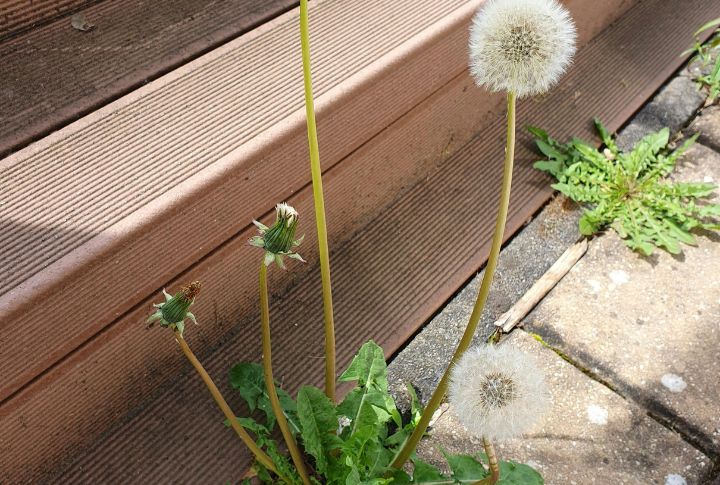
Vinegar can feel like a quick fix when sprayed on patio weeds, delivering fast and dramatic results at first. It’s just that success often doesn’t last. Many weeds, especially tough perennials like mint, can regrow from their roots underground, which makes repeated treatments necessary.
Cleaning Gravel Paths
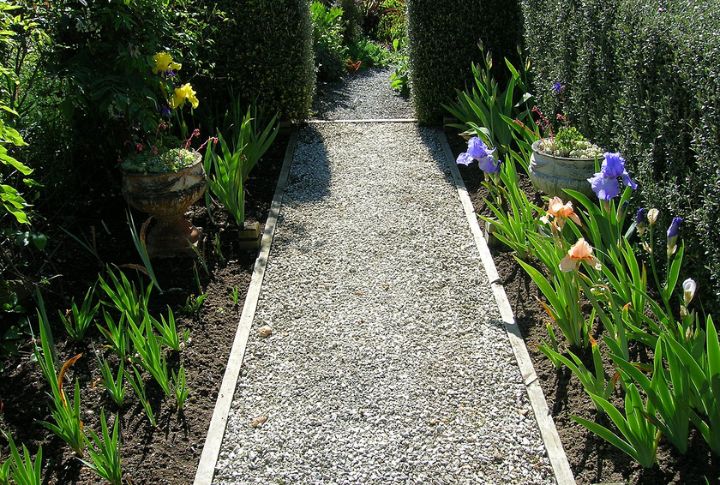
When it comes to gravel paths, vinegar has earned its reputation as a go-to natural weed killer. It’s especially effective on tiny new seedlings, burning them back before they take hold. Stronger ones like pickling can work even better, though they’re pricier. Still, it’s important to remember: it only kills the parts it touches, and leaves roots ready to resprout.
Mechanical Removal + Vinegar
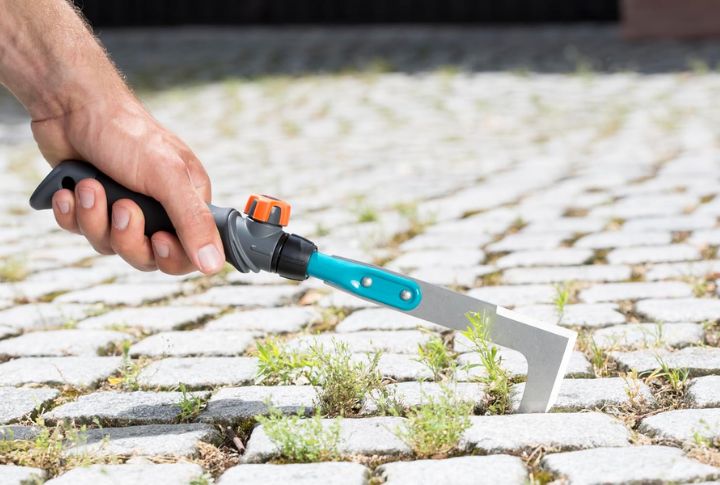
To tackle the real challenge of roots surviving even after the leaves are sprayed, many gardeners start by scraping or brushing weeds away, then following up with vinegar. Some even apply it carefully with a brush directly onto the cleared cracks for a more precise hit.
Vinegar + Surfactant Mix
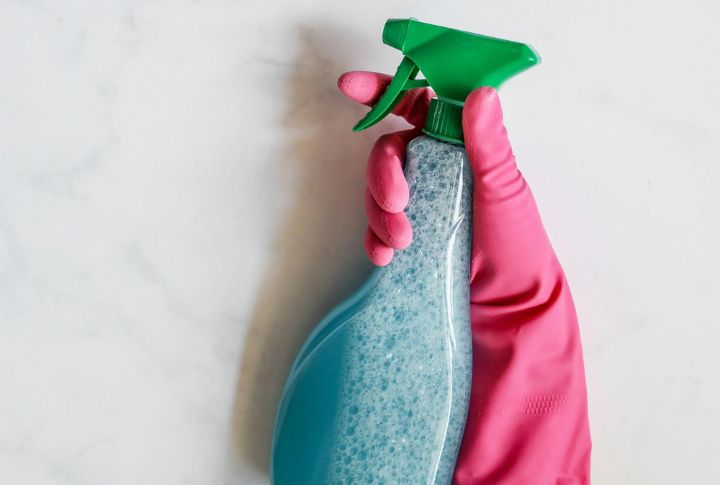
Weeds between pavers and cracks always seem to come back, but a small tweak can help. Mixing it with a mild surfactant, like dish soap, improves how well it sticks to and penetrates the leaves. This simple combo is safer than salt-based mixtures, which can harm soil and wildlife, while still giving you temporary relief on hard surfaces.
Application Timing And Weather
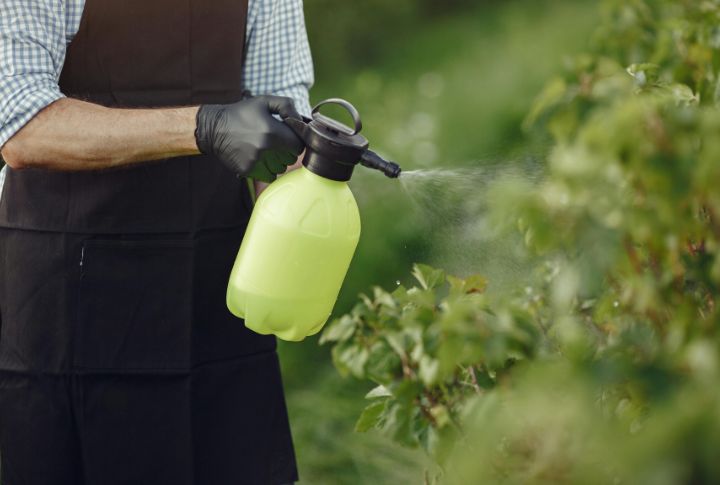
This magic spray works best when the timing is right. A warm, sunny day helps the solution dry and absorb faster, while calm weather prevents it from drifting onto nearby plants. Since the fumes can still affect sensitive flowers and vegetables, using a spray shield is a smart way to keep your garden safe.
Safe Dilution Guidelines

Not all vinegars are the same. Regular kitchen vinegar has a gentler concentration that works on young weeds, while horticultural ones are much stronger and sold as an herbicide. That means you’ll want gloves and goggles when handling it—it’s powerful stuff and needs to be treated with care.
Perennial Weed Alternatives
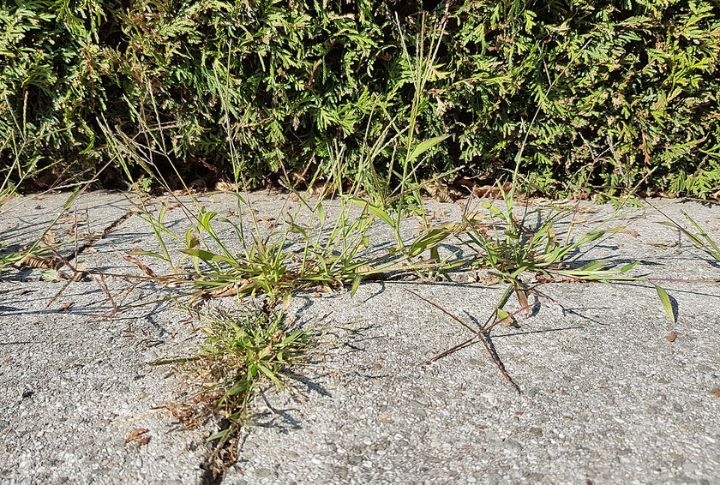
It can be a helpful ally against weeds, but it’s not a cure-all—especially when it comes to perennials. It tends to work best on broadleaf weeds, while grasses and deep-rooted plants often resist it. In these cases, repeated applications can suppress growth, though you may never achieve complete elimination.
Seasonal Spraying Until November
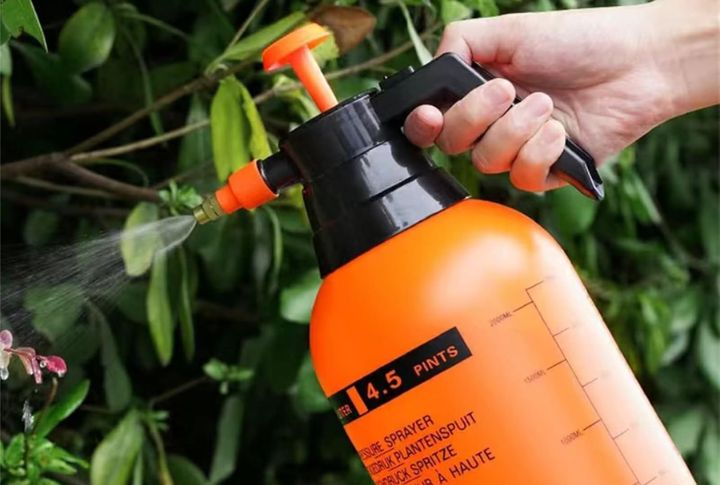
Late-season weeds don’t have to mean turning to harsh chemicals. Vinegar can be used safely into the fall months, as long as you apply it consistently. Just keep in mind that its power fades in colder weather, and it’s not as effective on mature, established weeds.
Rinsing After Treatment
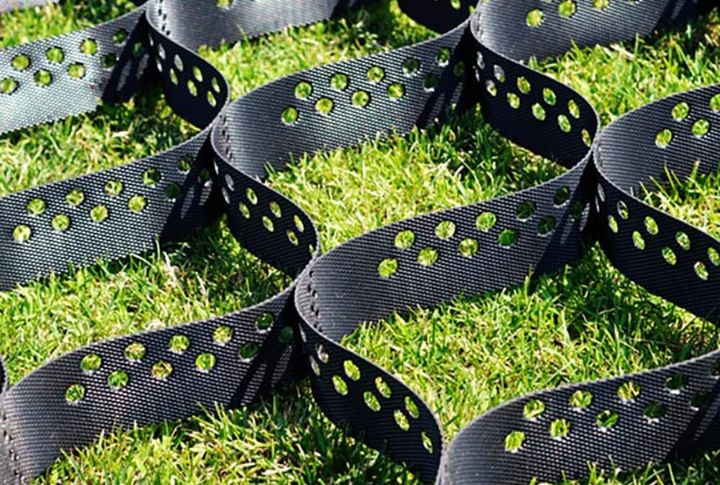
Since vinegar kills any plant it touches, care is needed when spraying near your garden beds. Use a brush for targeted application for rinsing nearby soil or porous pavers after treatment. It keeps the surrounding area safe from accidental damage.
Algae, Moss, And Mineral Deposit Removal
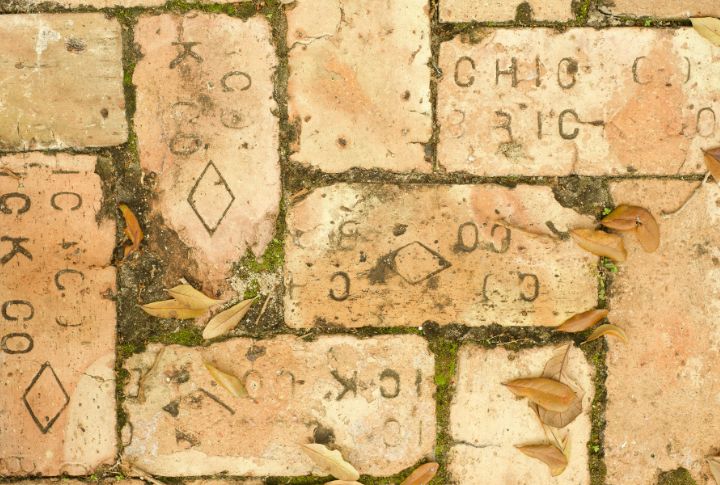
It doubles as a natural cleaner, too, helping loosen algae and moss without the need for harsh chemicals. Mineral deposits can be more stubborn, but with a few repeat applications, especially in shaded spots, you’ll see steady improvement.