

 Emily Flores
Many of us grew up with church traditions that feel timeless and passed down through generations. But what if some of these cherished practices aren’t quite as ancient as we think? The gap between early biblical accounts and modern worship might surprise you. So, let’s see which ten familiar traditions actually emerged long after Scripture was written.
Sunday Worship Instead Of Saturday
Most people assume Sunday has always been the sacred day, but the Bible actually sets the Sabbath on Saturday. Early Christians slowly shifted to Sunday to honor Jesus’ resurrection. Over time, tradition cemented it, but interestingly, some groups today still keep the Saturday Sabbath.
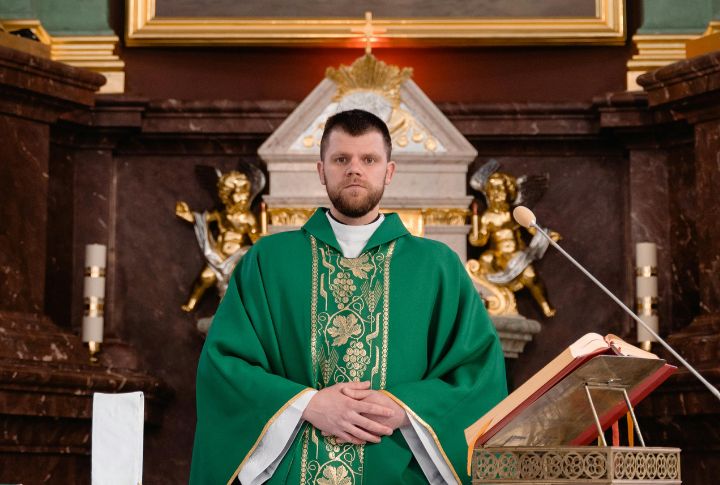
The Role Of Clergy Titles
In the earliest Christian communities, leaders didn’t use formal titles at all. Scripture describes them simply as elders or overseers, long before names like “Reverend” or “Father” appeared. As church traditions expanded across cultures, new titles emerged—though a few denominations still stick to the original simplicity.
Christmas On December 25th
The date we celebrate as Christmas didn’t actually come from the Bible. Jesus’ birth isn’t given a specific day in Scripture, and December 25th was chosen centuries later. Much of the holiday merged with winter festivals, which early Christians didn’t observe.
Church Buildings As Places Of Worship
The first Christians gathered in homes for worship. Scripture never requires a special structure for meeting together. Dedicated church buildings appeared only after Christianity spread publicly, and interestingly, some believers still prefer the intimate, home-based gatherings of the early church.
The Use Of Statues And Icons
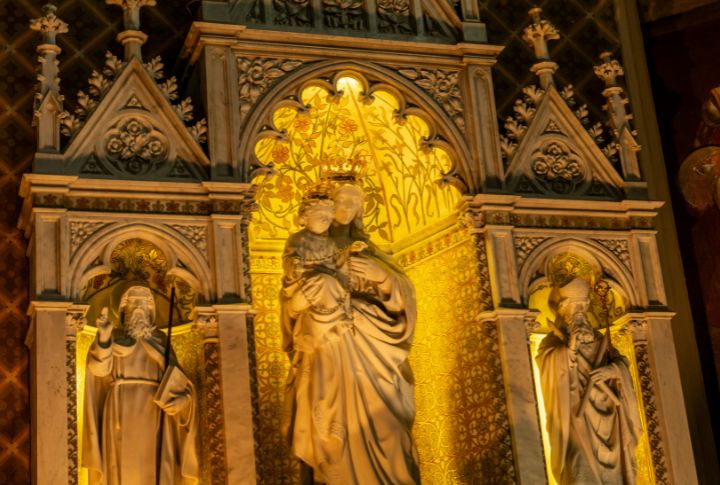
Walk into many churches, and you’ll see statues or icons, though the Bible includes clear warnings about carved images in worship. These art forms developed later through different Christian traditions. Today, some groups use icons mainly as teaching tools, while others avoid them to stay close to early biblical practices.
The Concept Of Purgatory
The idea of Purgatory formed through later theological reflection and became especially influential during the medieval period. Some denominations embrace it as part of their doctrine, but others reject it completely and argue that Scripture doesn’t describe such a place at all.
Celebration Of Saints’ Days
Special days dedicated to individual saints weren’t part of early Christian practice. The Bible never instructs believers to celebrate them, yet over time, these observances grew through tradition. Many merged with local festivals, and in several countries, saints’ days have even become major national holidays.
Infant Baptism
Baptizing infants might feel like an ancient custom, but biblical accounts only show baptisms of people capable of understanding their choice. Infant baptism spread later as a church tradition. Today, different denominations approach it differently, and early Christian art even reveals a surprising range of baptism styles.
The Rosary
The Rosary became a treasured prayer tool long after the Bible was written. It took shape during medieval devotion to offer a way to keep track of repeated prayers through beads. Over time, various regions created their own variations, each adding something distinctive to the practice.
Easter’s Connection To Eggs And Bunnies
Today’s Easter symbols come from springtime traditions rather than Scripture. The Bible doesn’t connect Jesus’ resurrection to any of them. Eggs symbolized new life long before Easter, and the playful Easter Bunny spread through European folklore before becoming a global holiday icon.