

 Devin Jacobs
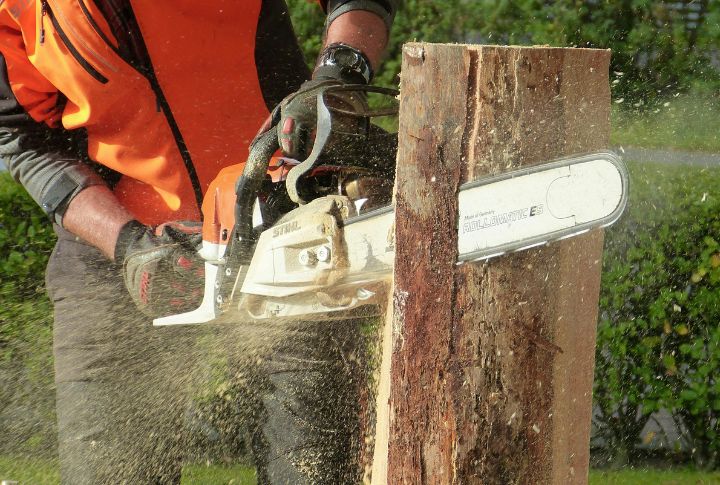
Chainsaws are powerful tools that can make quick work of tree-cutting and other woodcutting tasks. However, did you know that thousands of chainsaw-related injuries occur every year? Many of these accidents are preventable with the proper knowledge. So, avoid these 15 common mistakes to keep your chainsaw experience safe and productive. After all, your safety is worth the extra effort!
Don’t Skip Chainsaw Maintenance
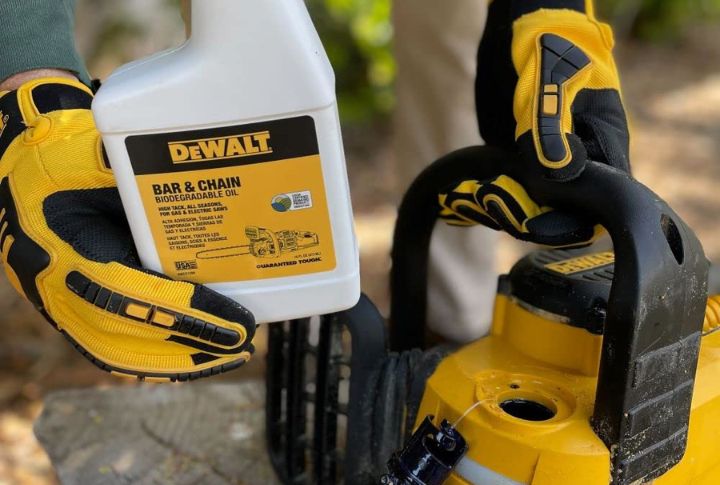
Neglecting regular maintenance of your chainsaw can lead to poor performance and safety hazards. Check the air filter, spark plug, and oil levels to keep your chainsaw in peak condition. Regularly replacing worn parts and cleaning components prevents costly repairs and ensures it operates efficiently, extending its lifespan.
Keep Those Blades Sharp
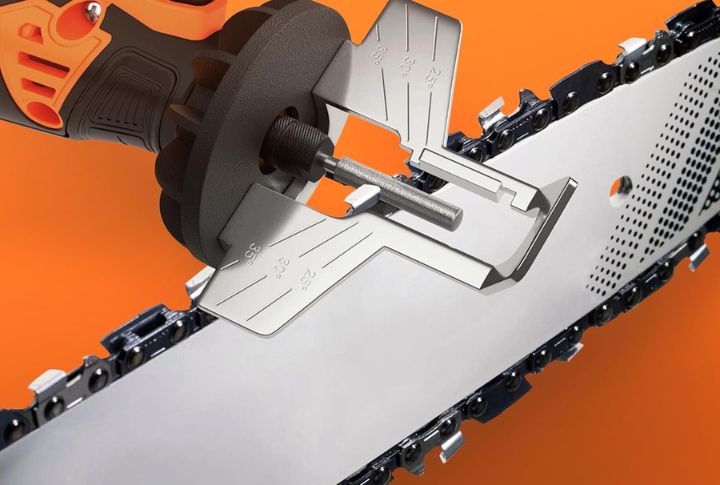
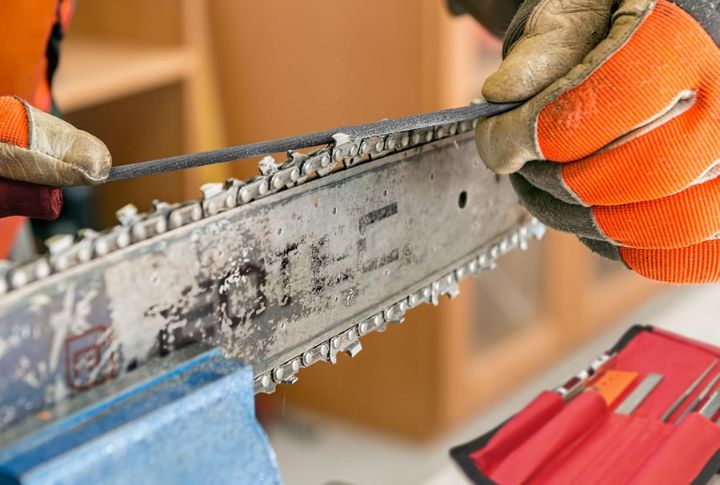
A dull chainsaw blade can make cutting through wood difficult and dangerous. Not only does it require more effort, but it also increases the likelihood of accidents and poor cuts. Sharpen the chain regularly to maintain its performance. A sharp blade provides smoother, cleaner cuts and reduces strain on the engine, keeping your work both efficient and safe.
Never Forget Your Safety Gear
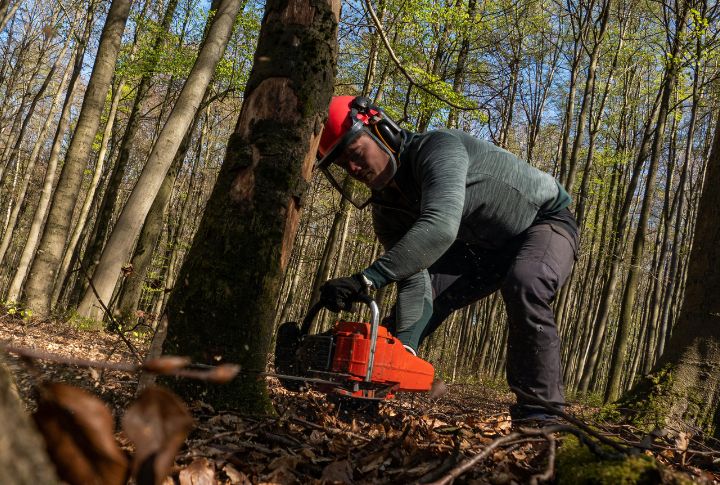
Operating a chainsaw without safety gear is a serious risk. So, wear goggles, gloves, and a helmet to protect yourself from flying debris and any accidents. Safety gear is important for preventing injuries and ensuring safety while using a powerful tool. Invest in high-quality gear and make it a non-negotiable part of your routine.
Avoid Bad Fuel Choices
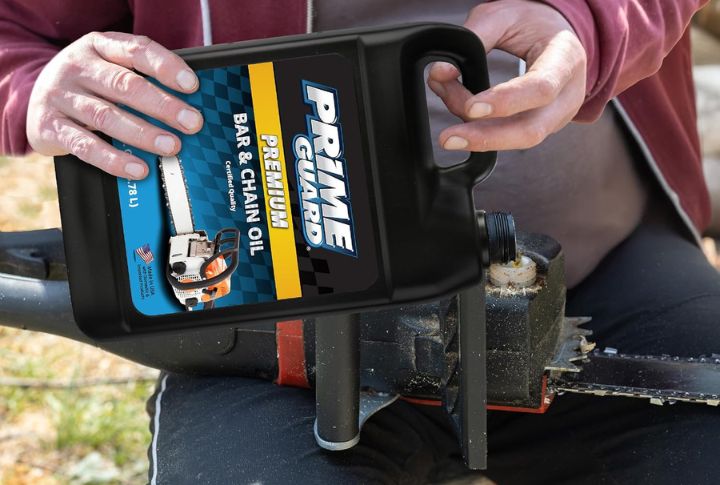
Using old or contaminated fuel can cause poor performance and damage your chainsaw’s engine. Use fresh, clean fuel mixed with the correct oil-to-gas ratio as specified by the manufacturer. This practice helps maintain efficient engine operation, prevents clogging, and avoids costly repairs. Proper fuel management is critical to keeping your chainsaw running.
Read the Manual First
Ignoring the manufacturer’s manual can result in improper use and potential damage to your chainsaw. The manual provides essential information on operating procedures, maintenance, and safety guidelines. Always read and follow these instructions to assure you use the tool correctly. Understanding the manual helps you avoid mistakes and guarantees safe, effective operation.
Check Your Chain Tension
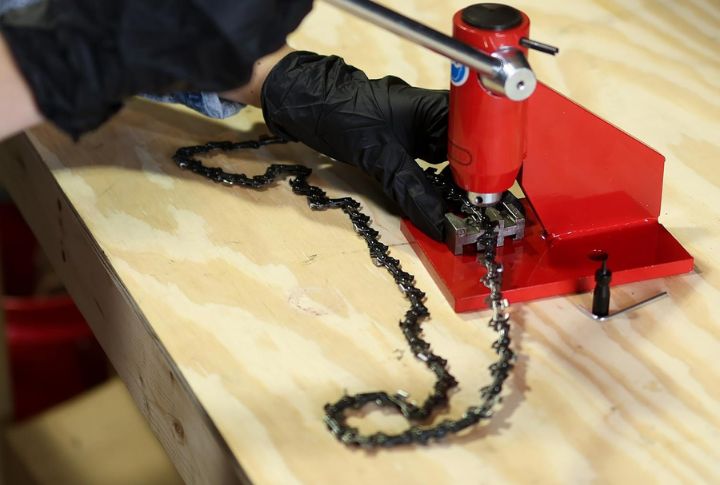
An improperly tensioned chain can lead to dangerous kickbacks. Hence, the chain tension must be checked and adjusted according to the manufacturer’s recommendations. A well-tensioned chain delivers smooth operation. Similarly, proper tensioning also prolongs the life of the chain and maintains cutting efficiency.
Use It Only For Wood
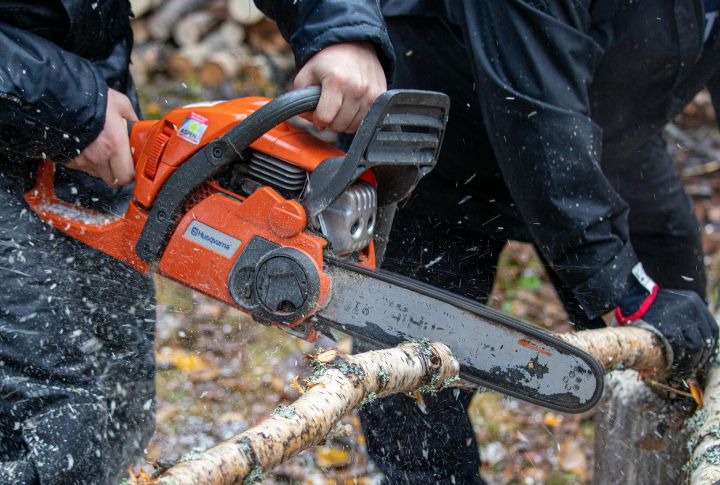
Using your chainsaw for tasks it wasn’t designed for, such as cutting metal or concrete, can cause destruction. Chainsaws are built explicitly for cutting wood; using them for other materials can lead to safety hazards. Stick to using your chainsaw for its intended purpose to ensure it performs well and remains safe to operate.
Monitor Oil Levels

Running your chainsaw with low or empty oil levels can cause the chain to overheat and wear out prematurely. Consistently check the oil levels before use and refill as necessary. Lubrication is vital for smooth operation and extending the chain’s lifespan. Maintaining oil levels helps prevent overheating, providing reliable performance.
Watch The Weather
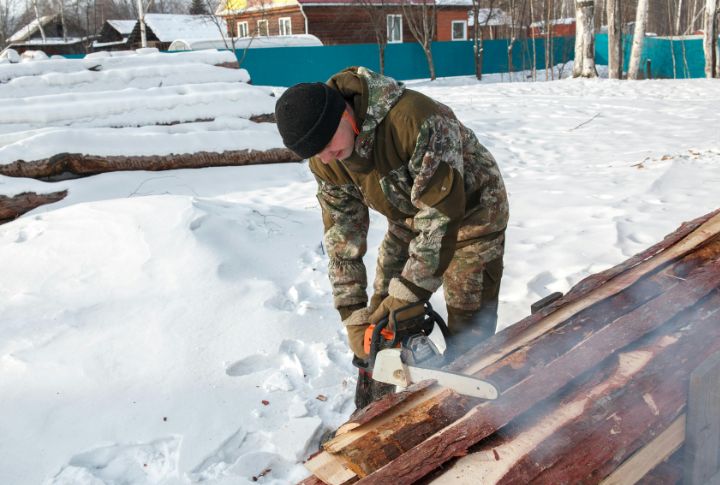
Avoid using your chainsaw in wet, muddy, or icy conditions, as these can create dangerous and unstable working conditions. Slippery surfaces and adverse weather can lead to accidents and reduce your control over the tool. Check if the work area is dry and stable before operating your chainsaw to maintain effectiveness.
Test The Chain Brake
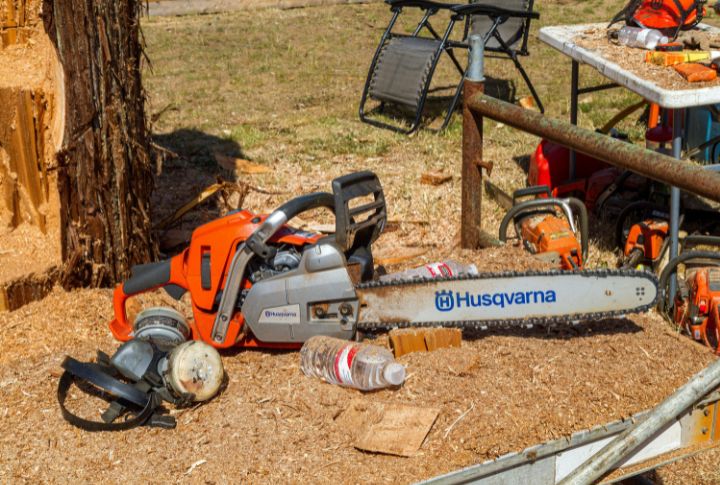
A malfunctioning chain brake can significantly increase the risk of kickbacks and accidents. Regularly inspect and test the chain brake to see if it functions correctly. A reliable brake system is vital for safe operation, providing a safety feature that helps prevent serious injuries. Remember to address any issues with the brake immediately.
Inspect Before Each Use
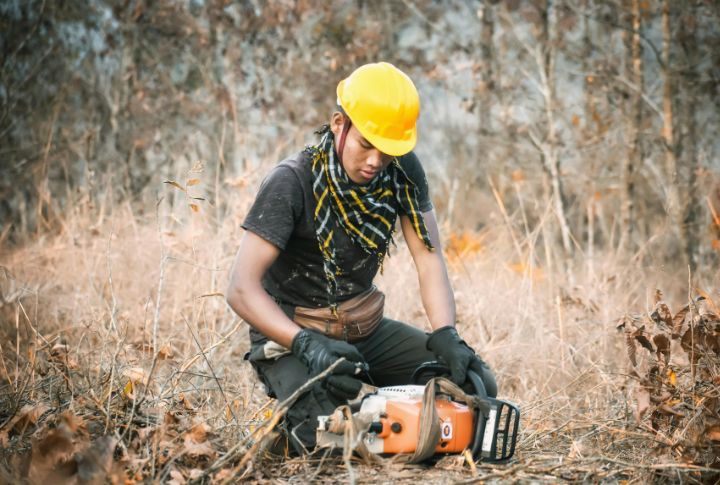
Before each use, inspect your chainsaw for signs of wear, such as loose parts or cracks. Starting a chainsaw with unresolved issues can lead to hazardous situations or tool failure. A thorough pre-use inspection helps identify potential problems early, making sure the tool is ready to operate, reducing the risk of accidents.
Clean It After Every Use
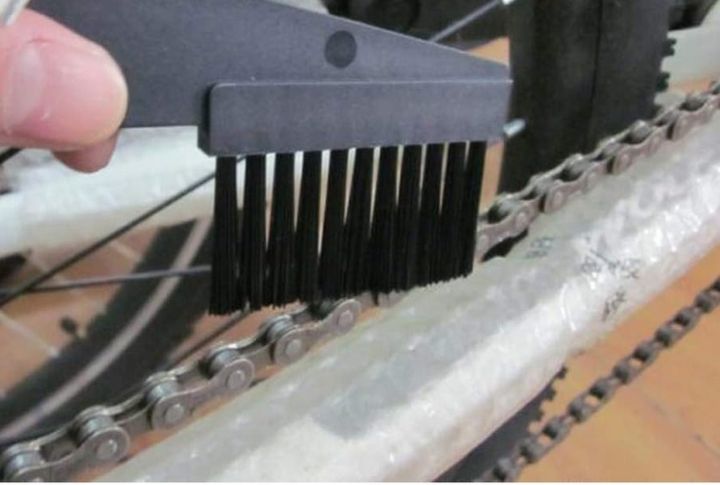
A dirty chainsaw can overheat, perform poorly, and pose safety risks. After each use, clean the saw thoroughly, including the air filter, chain, and housing. Removing sawdust and debris prevents clogging and maintains efficient operation. Regular cleaning also helps extend the life of your chainsaw, keeping it in working condition.
Use Only The Right Parts
Always use manufacturer-approved replacement parts for any repairs. Using incorrect or substandard parts can damage your chainsaw and may void any warranties. Genuine parts are designed to fit and function correctly, making the tool reliable. Hence, quality replacements should be invested in for optimal performance and safety.
Get Proper Training
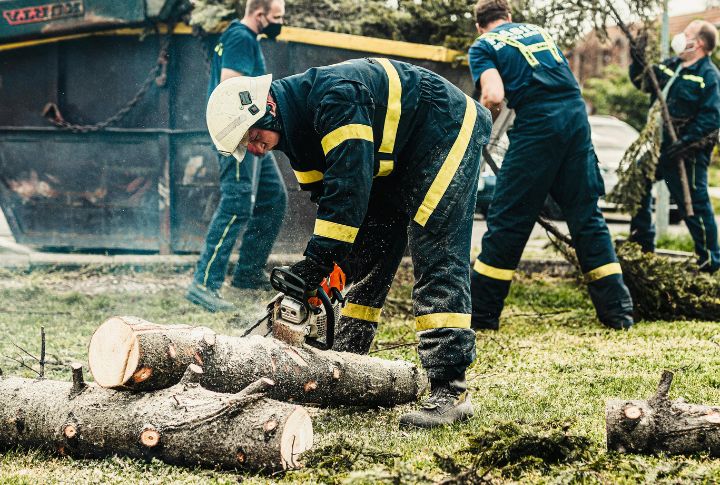
Using a chainsaw without proper training can lead to severe injuries. Take a safety course and learn the correct handling techniques before operating the tool. Proper training ensures you understand how to use the chainsaw safely and efficiently. After all, it equips you with the skills to handle the tool effectively.
Be Fit To Operate
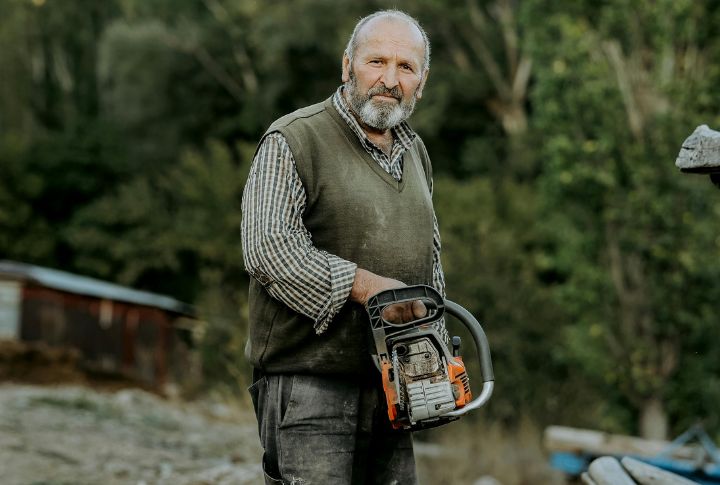
Using a chainsaw when you’re tired, unwell, or not at your best can impair your focus and coordination. Dangerous circumstances may arise as a result of this higher likelihood of accidents. As a rule, assure you’re in a good physical and mental state before operating your chainsaw. Being alert and well-rested helps enhance safety during use.