

 Johann Hunt
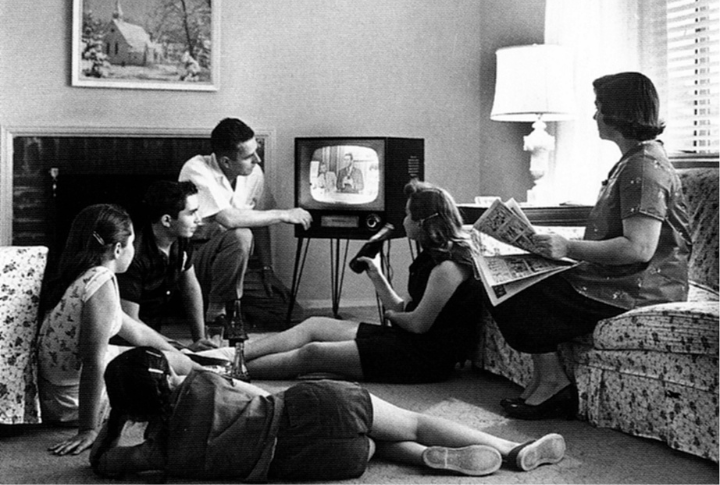
Generational differences have always existed, but the gap between Baby Boomers and Gen Z seems wider than ever. The communication styles and lifestyle choices have hilarious misunderstandings and raised eyebrows on both sides. However, it’s fascinating to learn about the everyday experiences that shaped Boomers’ lives that may seem utterly foreign to today’s youth. Let’s look at 15 experiences boomers encountered that Gen Z won’t understand.
Calling Movie Theaters for Showtimes

Before online listings, people had to call movie theaters and listen to recorded messages to find showtimes. Calling involved waiting through long recordings; you could not skip to the part you needed. Today, with instant access to schedules online, this seems unimaginable.
The Vietnam War Draft
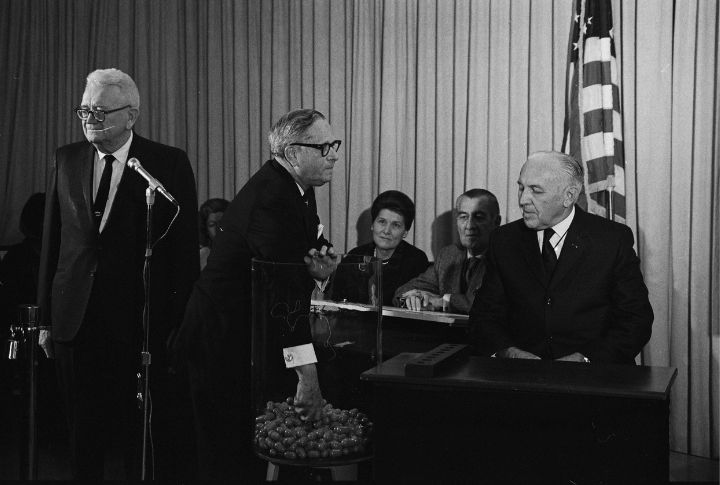
During the Vietnam War, young men anxiously watched draft lotteries to see if their numbers were drawn to determine whether they would be sent to war. The fear and uncertainty surrounding the draft deeply affected the boomer generation, which is vastly different from the all-volunteer military service today.
The Freedom of Being Unreachable

In an era before cell phones, people could go about their day without being always reachable. If you weren’t near a landline, people had to wait until you got home to contact you. This level of privacy and independence is something Gen Z has never experienced because of today’s instant messaging.
Researching Without the Internet

When boomers needed to write a report, they had to visit the library, search through card catalogs, and hope the necessary books were available. For word definitions, the dictionary was the source. There was no quick Google search, which made research a time-consuming task. Gen Z’s instant access to information is a significant departure from this.
Using Newspapers for TV Schedules
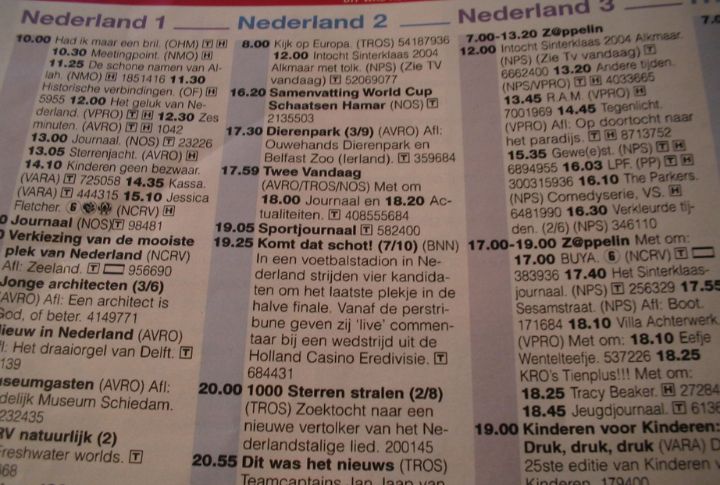
Checking newspaper or TV schedules is a far cry from the convenience of today’s streaming services, where you can instantly access information. Back then, Boomers relied on printed TV guides in newspapers to know what was on TV. There was no on-screen guide or online listings, so you had to plan your viewing schedule in advance.
Smoking Everywhere
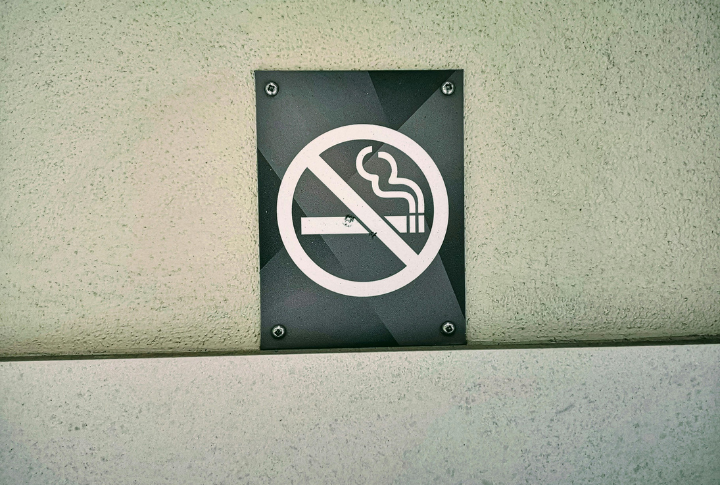
Smoking was once common in places like airplanes, offices, and even hospitals. The film industry had to be the biggest instigator back then. The shift to smoke-free environments was gradual and met with resistance. For Gen Z, who grew up with smoking bans in most public places, it’s difficult to imagine a world where smoking was the norm.
Limited TV Viewing Options
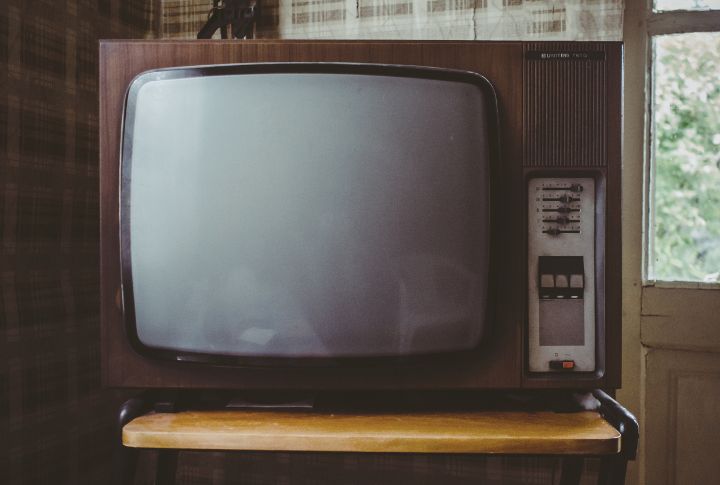
Today, Gen Z can watch what they want, whenever they want, thanks to sites like Netflix. With no DVR or streaming, boomers had to choose between shows that aired simultaneously. News or sports? You choose! Missing an episode meant waiting for reruns, which created a sense of urgency around watching TV.
Taping Songs from the Radio
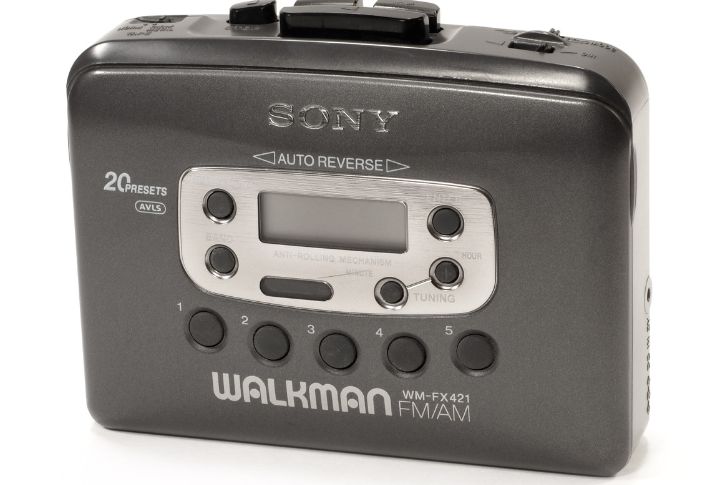
Boomers often waited by the radio, ready to hit record on their cassette player when their favorite song came on. They also had walkmans and, if you’re lucky, a CD player. Gen Zier? Spotify and Apple Music are among the companies to which they are subscribed. Before, CDs, cassettes, and digital downloads were the music source.
The Excitement of Video Rental Stores
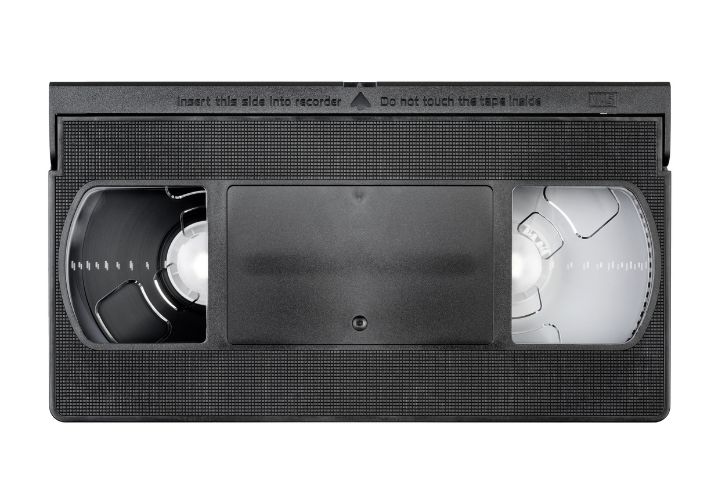
Weekend trips to video rental stores like Blockbuster were a highlight for many boomers. To a Gen Z, this is a lot of work! Browsing through aisles of VHS tapes to find the perfect movie was part of a Boomer’s fun. In contrast, Gen Z simply scrolls through endless options on streaming platforms from the comfort of their home.
Memorizing Phone Numbers
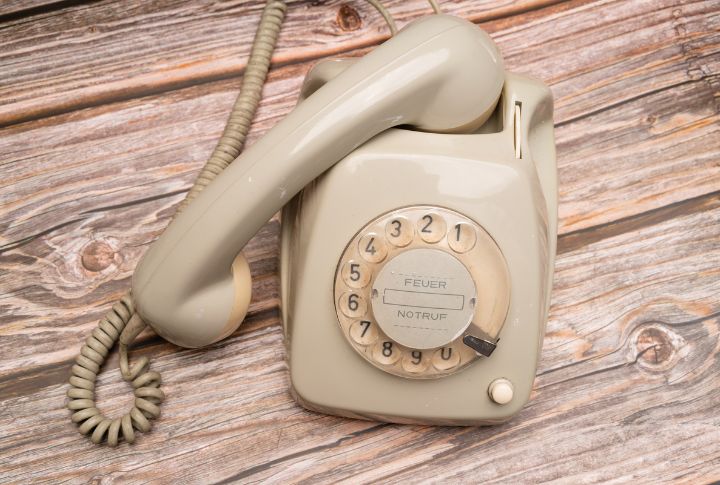
Before smartphones, people had to memorize important phone numbers or write them down in an address book. Remembering numbers was important because there was no device to store them all. Gen Z, accustomed to having contacts saved on their phones, rarely has to memorize numbers. Cloud technology also helps, even if you switch your phone!
Waiting for Photos to Be Developed
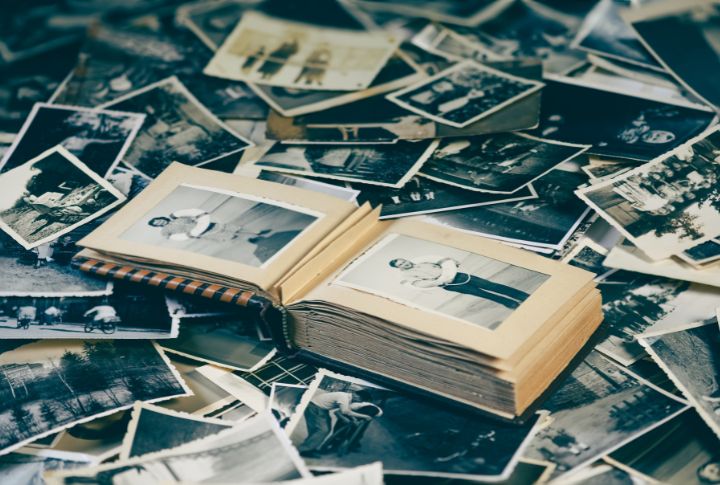
Taking pictures with film in the Boomer era entailed a long development process that took days or weeks to see the results. There was no instant preview, and you only knew if the photos turned out well once they were printed (which was a gamble, by the way). Instant digital photos give Gen Z a completely different experience.
Living Without Social Media

Gen Z was born into the social media era; Boomers weren’t. Boomers also did not have to share every moment online, like Gen Zs are obsessed with. Boomers maintained relationships through face-to-face interactions, phone calls, and handwritten letters. Socializing didn’t involve likes, comments, or followers, and privacy was more easily preserved.
Traveling Without GPS
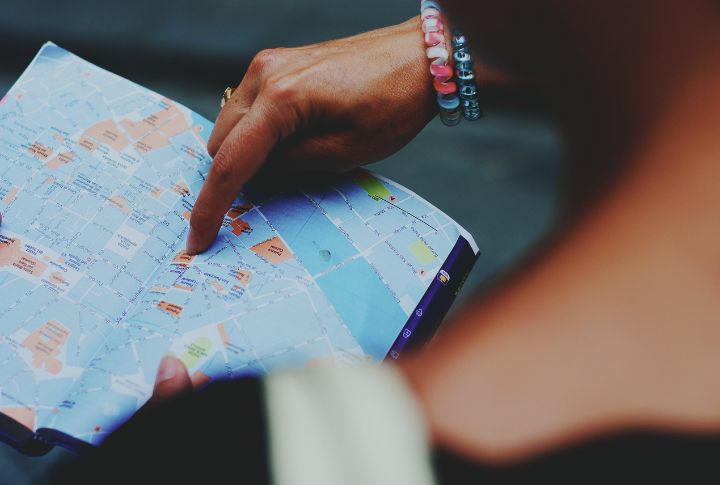
Before GPS, travelers relied on paper maps, asking for directions or guessing the right path. Road trips were more adventurous but also more stressful without the reassurance of a digital map. Gen Z’s reliance on GPS is way different from the more uncertain and manual approach Boomers had to take. A map would just stress a Gen Z.
Fixed Line Telephones and Phone Booths
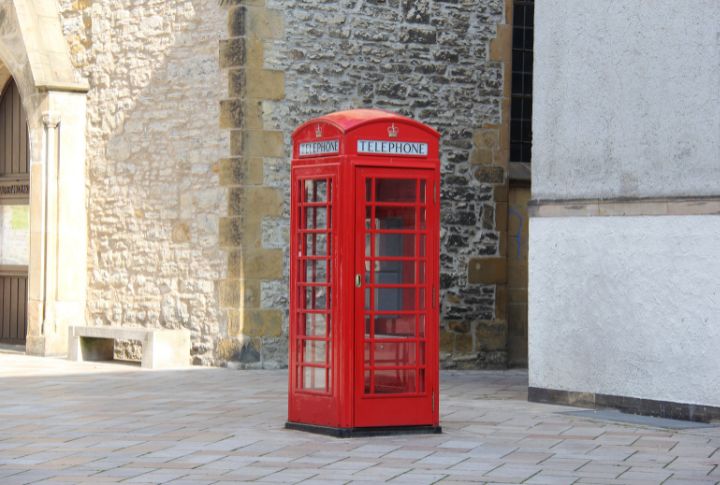
Boomers’ connectivity through fixed-line telephones, shared by the entire household, or from public phone booths would baffle a youngster. A life without texting? No way! Modern mobile phones with personal lines and private communications are a far cry from this shared experience, and the younger generation just won’t have them.
Physical Shopping
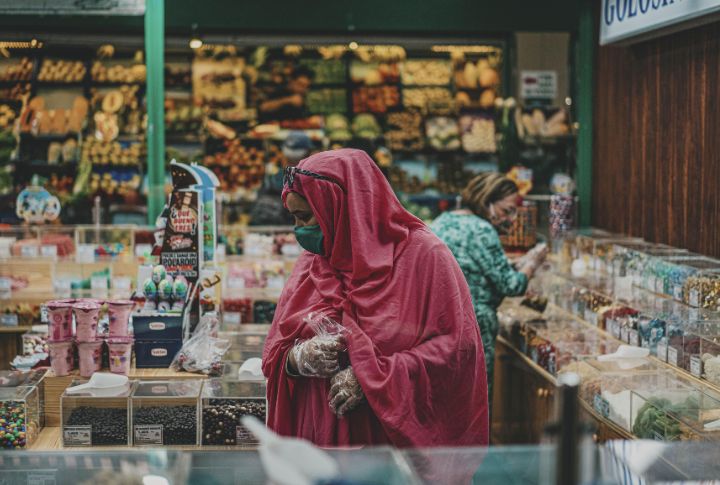
Back then, Boomers spent hours in stores for everything they needed. The record store was for vinyl or cassette tapes, and Convenience stores were for all household items. If it was a mile away, you drove there. Now, with the younger generation, online shopping is the in thing. You order online, and it’s outside your door a few hours later.