

 Emily Flores

Some stories were once seen as threats, not entertainment. Throughout history, certain books have been pulled from shelves, burned, or banned simply for challenging the way people thought or lived. These works sparked outrage and changed conversations long after their pages were hidden. Let’s discover which titles once carried such power.
“The Catcher In The Rye” By J.D. Salinger
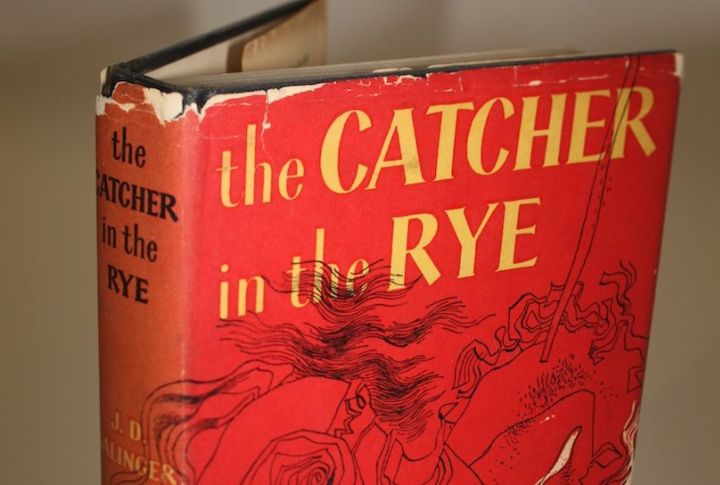
Holden Caulfield doesn’t hold back, and neither does Salingon’s writing. Swearing, explicit exploration, and disdain for authority outraged adults. In 1960, a teacher in Tulsa lost her job for sharing it. Across the nation, schools banned the novel, yet Holden’s voice continues to challenge and resonate decades later.
“The Autobiography Of Malcolm X” By Malcolm X And Alex Haley
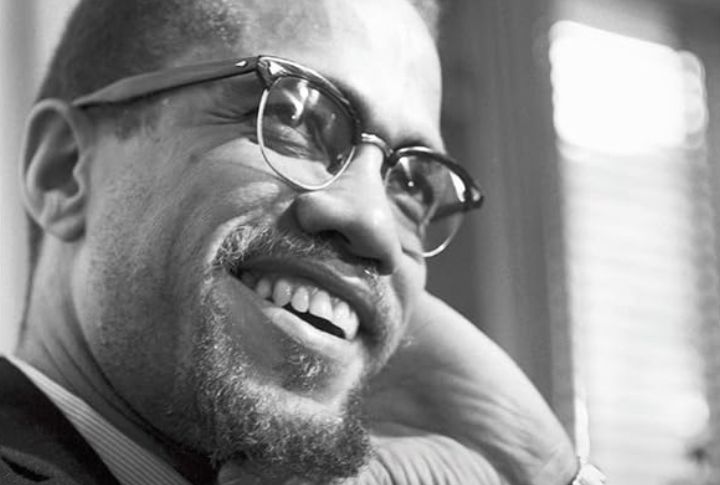
When Malcolm X’s powerful story hit the shelves, it scared the people in charge. His unapologetic take on race and power got the book banned from prisons and schools across the country. However, the ban only made readers more curious, as his words continue to inspire people decades later.
“Slaughterhouse-Five” By Kurt Vonnegut
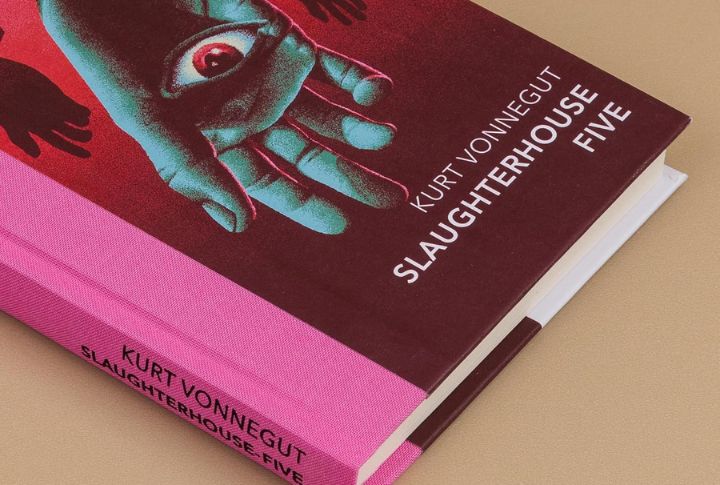
Kurt Vonnegut turned his own war experiences into something bold and strange with Slaughterhouse-Five. But not everyone appreciated it. From Missouri to other states, schools banned it for language and what critics called “anti-American” ideas. It’s seen as one of the most important anti-war novels ever written.
“The Grapes Of Wrath” By John Steinbeck
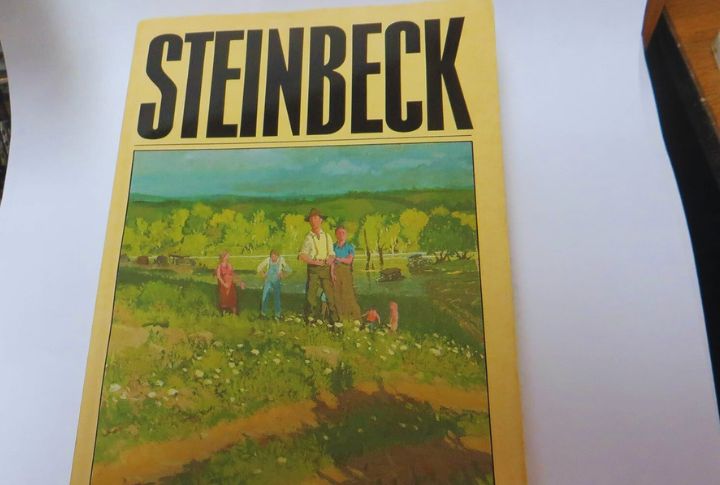
You’d think winning a Pulitzer would guarantee universal praise; well, not for “The Grapes of Wrath.” In California, where Steinbeck’s story hit closest to home, angry locals saw his depiction of poverty and greed as an insult. They branded it “un-American” and set copies ablaze.
“Beloved” By Toni Morrison
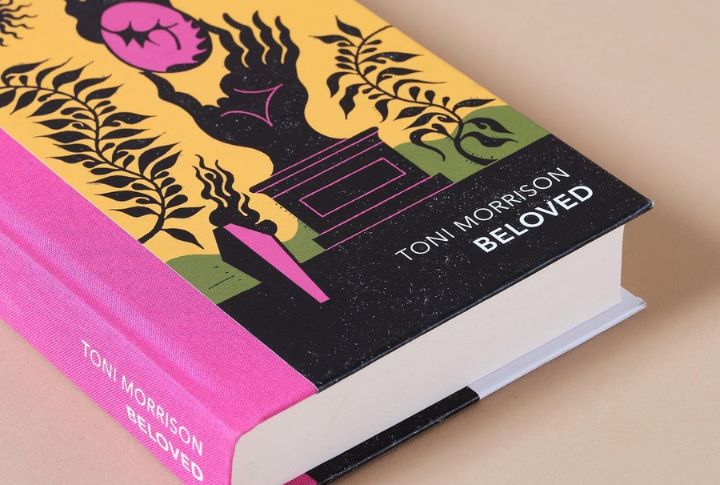
Few books hit as hard as “Beloved.” Toni Morrison’s Pulitzer-winning novel dives deep into the pain of slavery and survival, which made some schools in Virginia and Texas pull it from their shelves. Yet its emotional force keeps readers and critics talking even now.
“Lolita” By Vladimir Nabokov
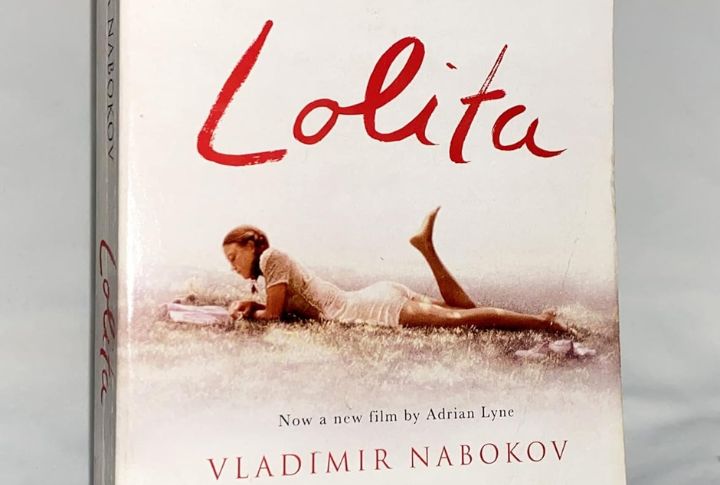
When Nabokov released “Lolita”, people weren’t ready for a story about a middle-aged man obsessed with a 12-year-old girl. France and England banned it, and U.S. publishers hesitated. Still, its daring narrative and complex writing turned scandal into enduring literary acclaim.
“Native Son” By Richard Wright
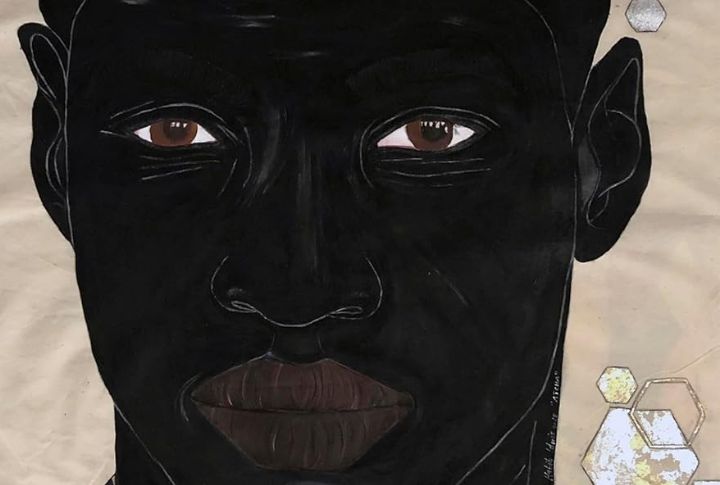
Although Richard Wright made history as the first Black author chosen for the Book-of-the-Month Club, his novel “Native Son” didn’t sit well with everyone. It was banned across states, including New York, for its graphic violence and honest look at racism. Still, it remains a major influence in American literature.
“1984” By George Orwell
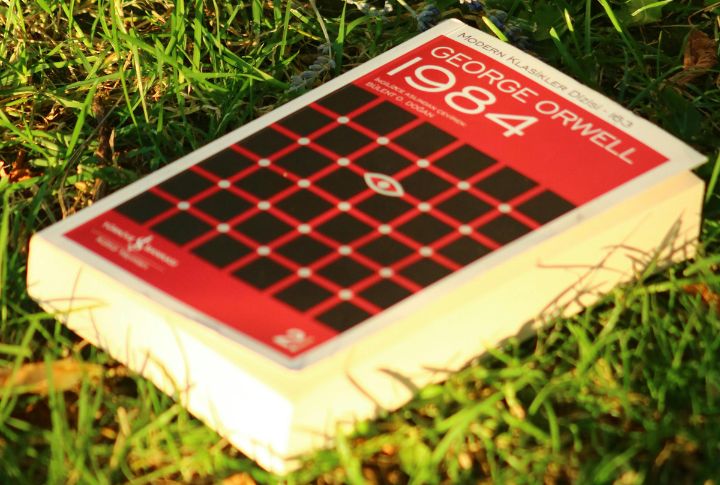
When “1984” came out, the Soviet Union banned it almost immediately for its anti-communist themes. Soon, other countries followed suit. Orwell’s warning about government control and “Big Brother” hit too close to home for many, and it’s exactly why the novel endures today.
“I Know Why The Caged Bird Sings” By Maya Angelou
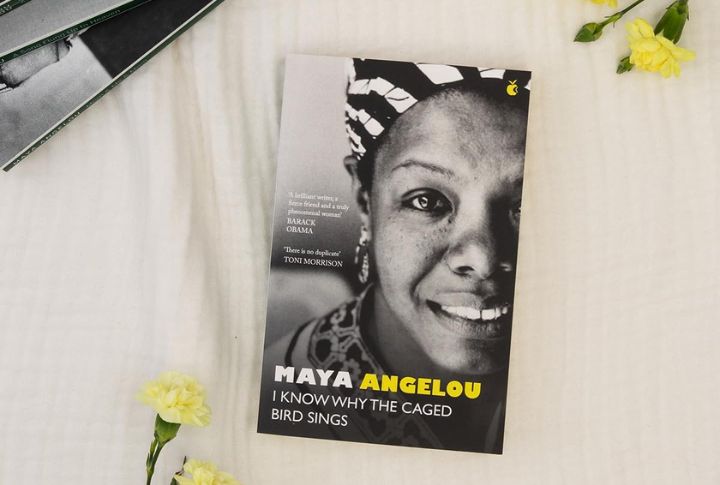
Angelou’s voice refuses to be silenced. “I Know Why the Caged Bird Sings” dared to speak truth to power, confronting racism and trauma. Though censored in parts of the U.S., her words remain a beacon of courage, offering solace and strength to generations of readers.
“The Color Purple” By Alice Walker
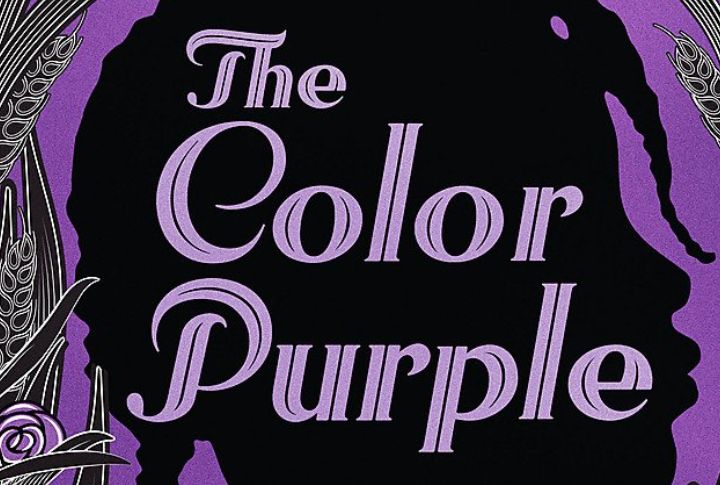
Despite earning the prestigious Pulitzer Prize for Fiction in 1983 and inspiring Steven Spielberg’s acclaimed 1985 film adaptation, this book has faced relentless attempts at censorship across American schools and libraries. The novel’s unflinching portrayal of abuse and explicit content has made it a frequent target of bans and challenges.