

 Emily Flores
Some discoveries refuse to stay quiet. They surface in unexpected places and disrupt ideas many people assumed were settled. One recent find did exactly that, forcing researchers to rethink how early humans expressed themselves long before cities or written records existed. The details reshape much more than a timeline, so keep going and see why this ancient surprise carries so much weight.
Oldest Figurative Art

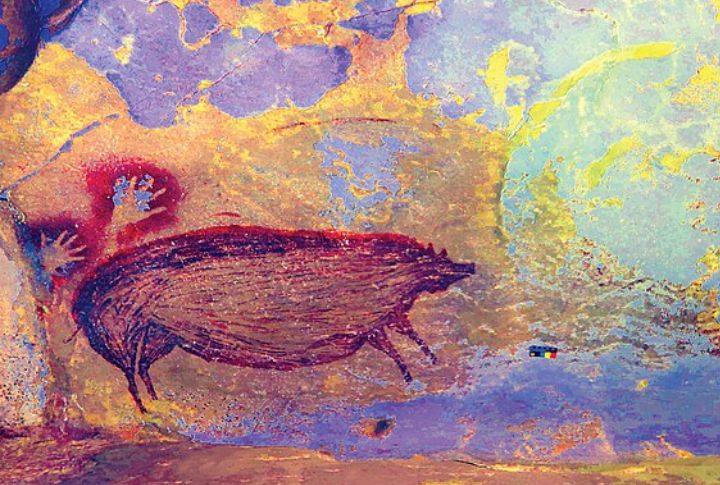
People once believed the oldest drawings of real animals came from European caves, but a surprising discovery in Indonesia changed that timeline. Inside a limestone cave on the island of Sulawesi, researchers found a wild pig painted forty-five thousand five hundred years ago. Because the image depicts a recognizable animal, it is considered the oldest figurative art ever recorded.
Evidence Of Early Human Symbolism

Understanding this painting involves more than just noticing an animal shape, as the image employs symbolism. Symbolism means the artist created a picture to express an idea, not only to copy a scene. Red pigment made from minerals formed the color. This approach also reveals that early mental skills were connected to abstract thought far earlier than many people expect.
Advanced Pig Representation
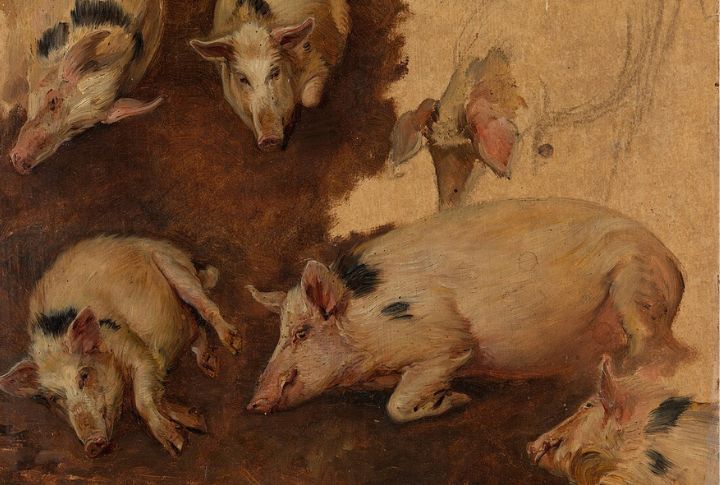
A viewer can spot how carefully the artist studied real wild pigs once the features come into focus. Tusks, body curves, and posture look surprisingly accurate for the period. Each detail points to slow, steady work rather than quick marks. Planning shaped the entire image, and the final pig almost appears ready to step forward.
Redefining Human Migration

Early human travel becomes easier to understand once the cave’s location enters the picture. Sulawesi sits in Southeast Asia, far from the earliest places often linked to human origins. A painting this old proves people reached the island long before many expected. Researchers also use this evidence to study movement across large regions.
Cultural Significance Of Pigs
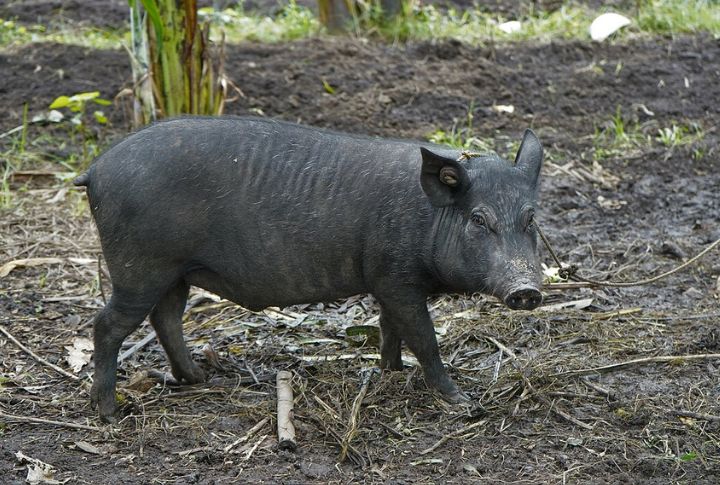
Just imagine choosing a muse forty-five thousand years ago and deciding a pig deserves the spotlight. That choice points to their real importance in everyday life. Pigs may have supplied food or shaped early stories. Communities usually draw familiar creatures, so the focus feels intentional. Artists clearly saw something worth celebrating in this animal.