

 Emily Flores
The people we celebrate in textbooks and monuments often lived lives far messier than the polished stories suggest. Uncomfortable truths hide behind famous quotes and iconic achievements. These 10 figures changed the world—but their legacies come with shadows you probably never learned about.
Mahatma Gandhi
Far from the simplified image taught in schools, Gandhi held bigoted views in South Africa and called Black Africans “troublesome.” He even addressed Hitler as “Dear Friend.” His celibacy experiments with young women add further debate, though his ideas later inspired leaders like MLK and Mandela.
Thomas Jefferson
Behind his famous writing on liberty stood a man who enslaved hundreds and fathered children with Sally Hemings. Plus, Jefferson’s economic policies nearly pushed the nation toward collapse as well. Even so, thousands visit Monticello today, now recognized as a UNESCO World Heritage site.
Winston Churchill
The celebrated wartime figure also defended British imperialism, made openly discriminatory remarks about Indians and Africans, and remains criticized for decisions linked to the Bengal famine of 1943. Still, his mastery of language earned him the 1953 Nobel Prize in Literature.
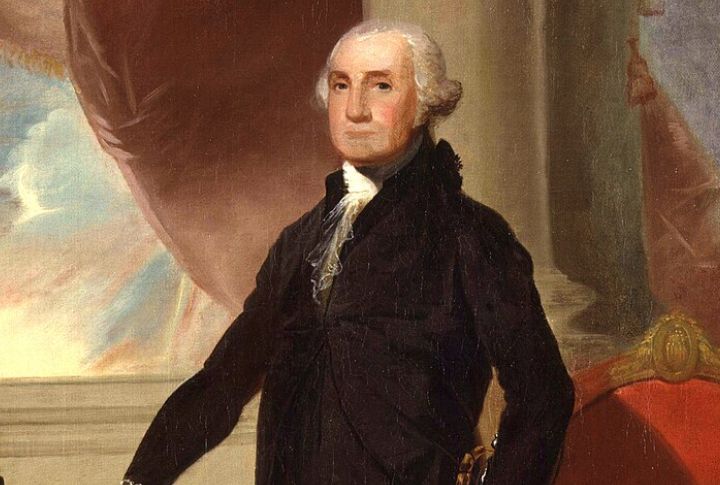
George Washington
America’s first president rotated enslaved workers out of Philadelphia to dodge emancipation laws, kept more than 300 enslaved people at Mount Vernon, and used teeth from enslaved individuals for his dentures. Yet he set a democratic precedent by stepping down after two terms.
Abraham Lincoln
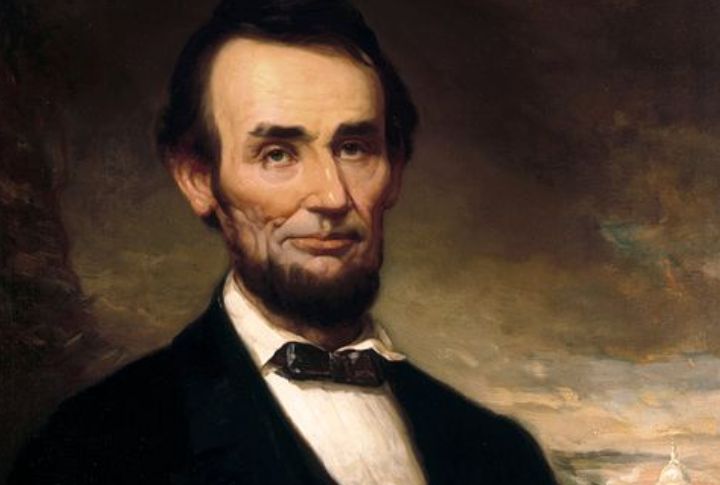
Even Lincoln’s legacy carries shadows: he suspended habeas corpus and initially prioritized preserving the Union above ending slavery. He also supported colonization plans reflecting limited racial views. Despite these complexities, the Gettysburg Address endures as one of the most quoted speeches in history.
Alexander Graham Bell
The inventor’s lesser-known actions include discouraging sign language and opposing marriages between deaf individuals due to hereditary fears. This fueled long-term tensions in the Deaf community. Beyond telephones, he also created an early prototype of what became the modern metal detector.
Helen Keller
Keller’s public image hides years of controversy, which includes early fraud accusations surrounding her writings, and claims that she held racially insensitive views of her era. Modern conspiracies even question her accomplishments, yet she helped establish the American Civil Liberties Union in 1920.
Mother Teresa
Her humanitarian fame often overshadows critiques of inadequate medical care in her hospices and her belief that suffering had spiritual value, which influenced treatment practices. Donations from controversial figures added more scrutiny, though she eventually received the Nobel Peace Prize in 1979.
Pablo Picasso
The artistic legend’s private life included manipulating and abusing women and uncredited borrowing from African art traditions. His misogynistic behavior is widely documented. Yet his staggering output—more than 20,000 works—continues to shape modern art conversations worldwide.
Coco Chanel
Behind Chanel’s iconic fashion empire lies a wartime record tied to Nazi officials and accusations of serving as an informant, a subject still debated by historians. Even with the shadows, Chanel No. 5 remains one of the world’s most enduring perfumes that people love to use and brag about.