

 Bruno Pugh
Many people grow up hearing Christmas classics explained as absolute facts, and the stories stay untouched for years. A closer look reveals a trail of assumptions, misread details, and creative additions that quietly shaped what you believed your whole life. Keep reading and enjoy the small jolt of seeing old ideas in a new light.
Jesus Was Born On December 25th
Christmas centers on December 25th, so many assume the date came straight from scripture. The Bible never names a day, and scholars study details like shepherds caring for newborn lambs, an activity linked to warmer seasons. Church leaders selected December 25th centuries later, and a fourth-century Roman record confirms it.
The Wise Men Arrived The Night Jesus Was Born
The Magi didn’t appear the night Jesus was born. Matthew’s narrative points to a later visit, shown by Herod’s attempt to find a child, possibly up to two. The same passage places the family in a house. The idea of everyone arriving at once came from a later artistic tradition.
Mary Rode A Donkey To Bethlehem
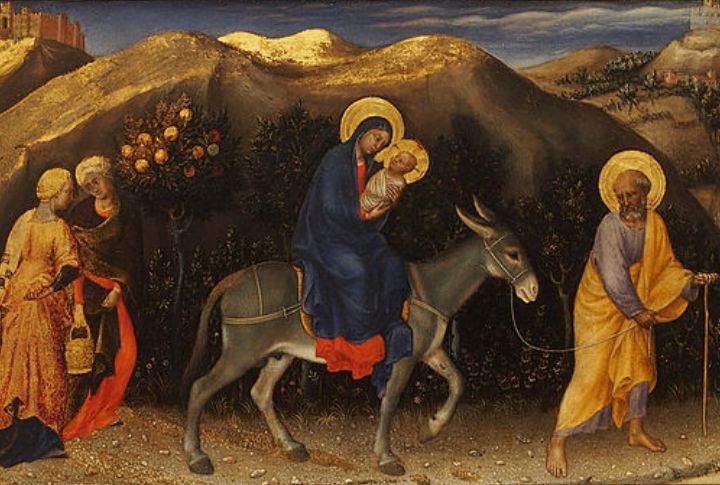
Luke’s Gospel details Mary’s journey for the Roman census but omits her transportation. The common image of her riding a donkey originated in the later Protoevangelium of James. Repeated in medieval religious plays, the donkey quickly became accepted Christian tradition.
There Were Three Wise Men
Matthew’s Gospel mentions only Magi (Persian sky-watchers) and lists three gifts, leading to the assumption of three men. Earlier artwork showed larger groups, while their familiar names and the smaller visitor number emerged much later in medieval storytelling.
A Star Shone Over the Manger
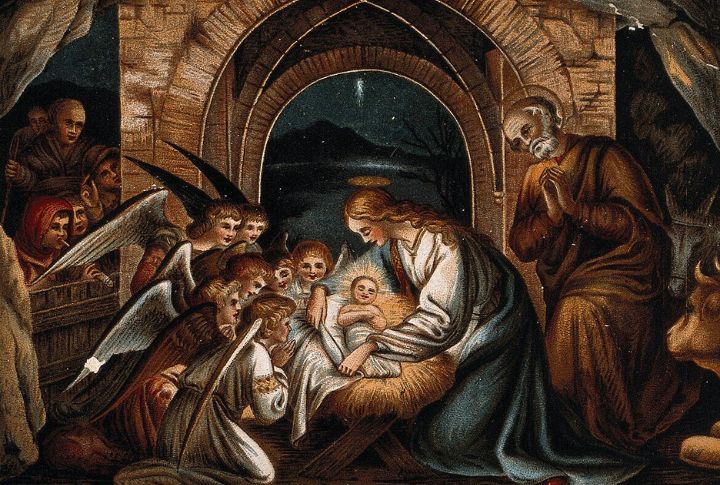
The biblical accounts do not feature the famous spotlight. Matthew states the star led the Magi to a house, not a stable. Luke’s story focuses on shepherds seeing angels, not a star. The glowing manger scene is a later blend of these separate narratives.
Jesus Was Born In A Stable
Nativity scenes show a small barn, but families in ancient Judea kept animals inside their main home on a lower level. The manger was simply a feeding trough. Later stories mentioned a cave, adding confusion. The postcard-style stable is a much newer invention.
Angels Sang To The Shepherds
Songs like “Hark! The Herald Angels Sing” nudge people to imagine a heavenly choir. Yet Luke’s Gospel uses a Greek word meaning “said,” not “sang,” when angels spoke to the shepherds. Hymn writers added melodies centuries later, and repeated performances helped the musical version overshadow the spoken message.
Christmas Is Entirely Based On Pagan Holidays
Claims that Christmas was copied from pagan festivals oversimplify a layered history. Early Christian writers chose December 25th for theological symbolism tied to the Annunciation and the solstice’s light themes, not to imitate Saturnalia or Sol Invictus. Later customs merged with older winter traditions, but the core celebration wasn’t a pagan imitation.
There Was No Room At The Inn Because Of An Innkeeper
Stories usually picture an innkeeper turning the family away, although Luke’s wording points elsewhere. The text uses kataluma, a Greek term for a guest room in a family home. Homes filled quickly during census travel, so Joseph’s relatives likely hosted them downstairs near the animals. A commercial inn never appears.
It Was Too Cold For Shepherds To Tend Flocks In December
Picture a winter night near Bethlehem: chilly, though mild enough for grazing. Local shepherds cared for animals year-round, especially those raised for Temple sacrifices in Jerusalem. Temperatures often stayed in the forties and fifties. Modern visitors still gather outdoors there on Christmas Eve, bundled but comfortable.