

 Bruno Pugh
Some Christmas foods weren’t just recipes—they were traditions with personalities. They strutted onto the table proudly, then quietly slipped away over the years. Today, they sit in the memory box instead of the pantry. Wonder which ones deserve a comeback tour? Join me and peek at the lineup.
Mincemeat Pie
Mincemeat pie began with cooks blending meat, dried fruit, spices, and suet into a pastry closely tied to Christmas. Even Puritan objections could not remove it from tradition. However, after World War II, families embraced pies like pecan and pumpkin, and the older filling faded as sweeter, simpler options emerged as the preferred holiday choice.
Figgy Pudding
Long before Christmas filled up crowded with quick desserts, figgy pudding offered a rich mix of figs, spices, suet, and grains that felt worthy of celebration. Its brandy flame made the moment feel festive. As lighter sweets became easier to prepare, the pudding’s dense texture and long process gradually pushed it out of regular holiday baking.
Fruitcake
Evolving from Roman bread, the Victorian fruitcake was a cherished, dense gift prepared months prior. However, modern preferences for lighter fare, combined with enduring jokes regarding the cake’s legendary toughness, have naturally shifted holiday traditions away from this heavy seasonal staple.
Christmas Goose
Roasting a goose once felt like the highlight of Christmas because people saw it as a sign of prosperity and celebration. Turkey slowly replaced it when families realized it offered more meat at a lower cost and tasted gentler. As kitchen habits shifted and new farming priorities took hold, the goose slowly slipped out of tradition.
Lutefisk
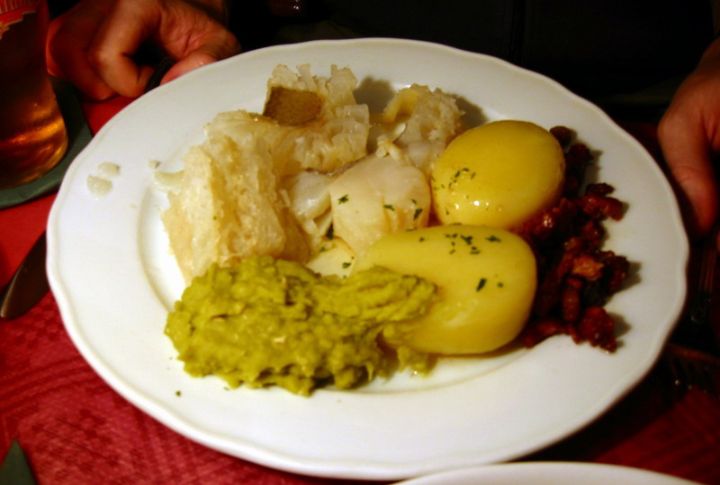
In some Northern European homes, families prepared lutefisk by soaking dried cod in a chemical solution that softened the fish for winter fasting meals. Modern freezers later removed the need for this method. Plus, only a small number of households still serve it, since many prefer milder dishes instead of its strong scent and unusually soft texture.
Holodets
Holodets began as a way to turn leftover meat into a firm, chilled slice that worked well on Christmas or New Year tables. The cool texture also paired well with a sharp sauce served alongside. Over time, lighter starters and lengthy preparation led cooks to replace it with simpler holiday dishes.
Christmas Eve Carp
Some Central European families once placed live carp in bathtubs before Christmas Eve, following older fasting customs and hoping the tradition brought good luck. As cities grew and habits changed, people became less comfortable handling live fish. Stores began offering frozen carp, and the old household ritual slowly faded.
Cranberry Jell-O Mold
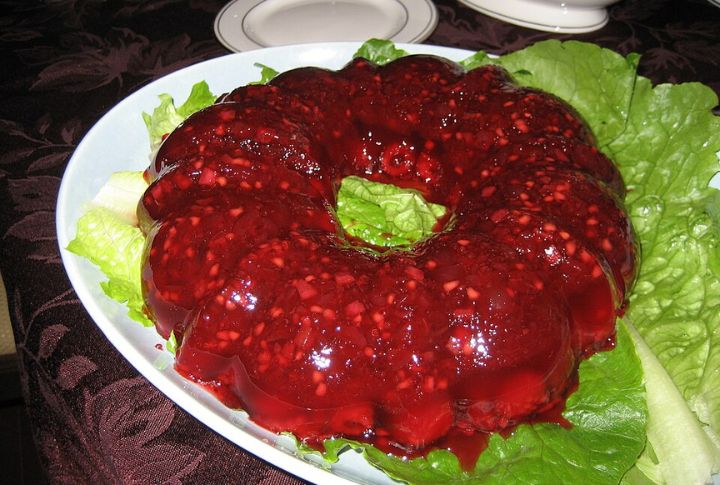
Mid-century cooks embraced cranberry gelatin molds because ads promoted them as quick, impressive additions to holiday meals. That enthusiasm did not last. Younger diners look for fresher ingredients, and the processed base feels dated to them, so many families now replace the mold with simple sides that match current tastes.
Bread Sauce
For centuries, Christmas meals included bread sauce, a simple mixture of warm milk, onions, spices, and crumbs that balanced roasted meats. The tradition feels less clear today, as diners are unsure how it fits on the plate. Its gentle flavor also loses attention beside richer sauces, so gravy tends to replace it.
Prawn Cocktail Starter
Prawn cocktail once began British holiday meals with a chilled blend of prawns and creamy sauce that felt stylish in the 1960s and 1970s. Its simple preparation helped it appear on several tables. Over time, people leaned toward fresher and lighter starters, and smoked salmon gradually became the preferred opening dish.