

 Emily Flores

A laptop might look fine on the surface while silent problems develop inside, and many users only realize something has failed after their work disappears. The built-in hardware test changes that story by exposing early warning signs most people never notice. Keep reading and learn how one overlooked feature can protect your device.
Early Detection Of Storage Drive Degradation

Laptop’s storage test reads something called S.M.A.R.T. data, which tracks signs of wear inside an SSD or HDD. That report shows rising temperatures, bad sectors, and reallocation counts before files disappear. Because the test runs before the operating system loads, the reading stays accurate.
Identification Of RAM Instability Causing System Crashes
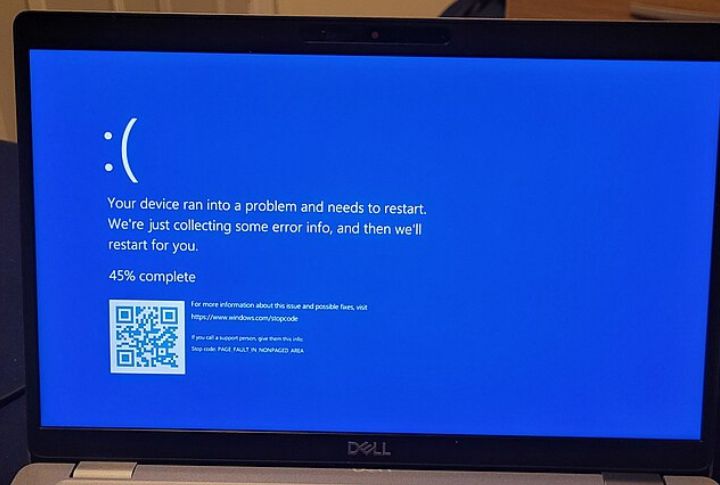
Memory tests scan Random-Access Memory (RAM) by writing and reading patterns to reveal areas that fail under pressure. Those issues cause freezes and blue screens, so the scan rules out software confusion early. Running it before the operating system loads removes driver interference. NASA once used similar scans to study cosmic ray disruptions.
Streamlining Technical Support Interactions

A diagnostic tool creates a small code after each scan, and this code connects support teams to exact results inside their systems. The process removes guesswork because technicians see the same information the scan recorded. Clear evidence speeds part selection and shortens repairs.
Diagnosis Of Motherboard Faults Through Error Codes

When a laptop refuses to start, the built-in test translates beeps or short messages into clues about the motherboard. Each pattern narrows the issue to parts like capacitors or control circuits. This early insight prevents larger failures by catching problems sooner. Moreover, these coded signals were originally inspired by Morse code communication.
Assessment Of Battery Performance And Lifespan
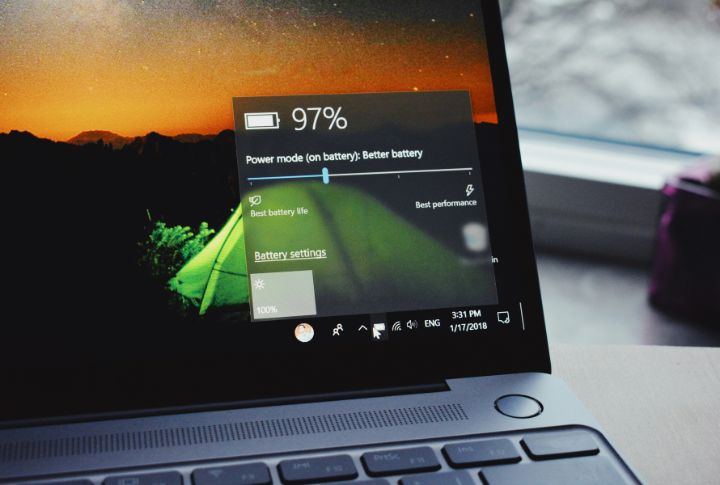
A battery test measures how many charge cycles your laptop has used and how much capacity remains, which helps explain unexpected shutdowns. It also reads voltage changes that point to aging cells. These results guide timely replacements and smarter habits.