

 Emily Flores
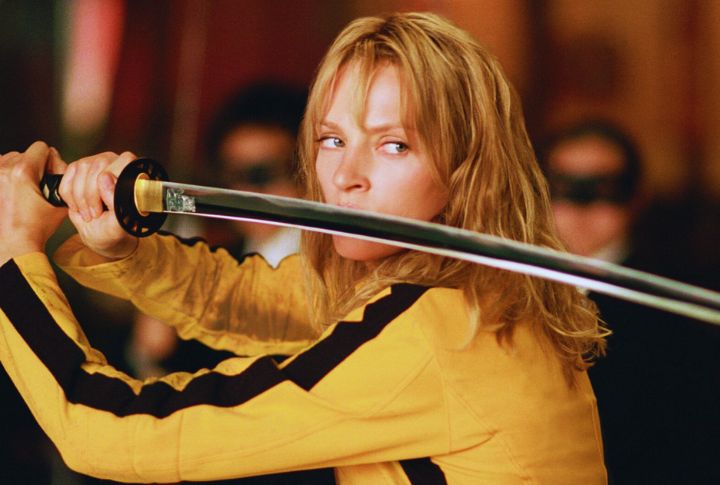
In 2006, Quentin Tarantino gave audiences what they’d been begging for since 2004: the complete, uninterrupted vision of his revenge saga. “Kill Bill: The Whole Bloody Affair” isn’t just Volumes 1 and 2 stuck together with duct tape—it’s a restructured, recut director’s vision that converts the fragmented theatrical experience into a single, relentless four-hour bloodbath. This cut eliminates the cliffhanger break, restores previously censored violence, and adds new scenes that deepen the mythology.
For years, this version existed only in limited theatrical screenings and film festival appearances, making it the ultimate treasure for Tarantino completists. It’s the difference between reading a novel in two volumes versus experiencing it as the author intended—in one devastating, unbroken breath. This is the definitive way to witness The Bride’s brutal journey from comatose victim to avenging angel, and it fundamentally reshapes how we understand Tarantino’s masterwork.
The Restored Violence And Visual Completeness
The most immediately noticeable difference is the violence. When Volume 1 hit theaters, the Crazy 88 massacre was partially shown in black-and-white to secure an R rating without cuts. “The Whole Bloody Affair” restores this sequence to full color, and the difference is staggering. Every spray of blood, every severed limb, every katana slice through flesh is rendered in Tarantino’s signature hyper-saturated palette. This isn’t gratuitous—it’s essential. The color restoration makes The Bride’s rampage feel more visceral, more earned, and more horrifying in its balletic brutality.
Beyond this, the film includes extended fight sequences and additional gore throughout, including a longer version of O-Ren Ishii’s anime backstory that adds important context to her character. Moments that were trimmed for pacing or ratings concerns in the theatrical cuts are restored to their full, unflinching glory. Tarantino also adjusted the color grading across the entire film, creating a more cohesive visual experience that flows seamlessly from the suburban revenge of Vernita Green to the snow-covered showdown at the House of Blue Leaves to the dusty final confrontation with Bill in Mexico. The visual consistency makes this feel like a singular, unified piece of cinema rather than two separate films.
Why This Cut Matters
“The Whole Bloody Affair” fundamentally changes the narrative rhythm and emotional impact. The theatrical volumes had distinct personalities—Volume 1 was pure kinetic action, Volume 2 was contemplative and dialogue-heavy. Watching them back-to-back with months between releases created anticipation but fractured momentum and emotional continuity. This complete version allows the story to breathe and build without interruption.
You experience The Bride’s journey as a genuine odyssey, feeling the accumulation of violence, trauma, and determination without a marketed pause button breaking the spell. The restructured pacing makes Budd’s betrayal hit harder, makes the Pai Mei training sequences feel more integral to the character’s transformation, and gives the final confrontation with Bill the emotional weight and catharsis it truly deserves. Tarantino removed the Volume 1 ending credits and restructured several scenes, placing them in different positions to improve narrative flow and thematic resonance.
The epilogue with Sofie Fatale delivers substantially more impact when it’s not separated by months and a second movie ticket purchase. This is Tarantino’s true vision—uncompromising, uninterrupted, and undeniably more powerful than the sum of its theatrical parts. It’s the “Kill Bill” experience as it should have always been.