

 Emily Flores

We like to think we’re making smart health moves, yet appearances are usually deceiving. A handful of everyday habits have earned a “healthy” reputation without truly earning it. Many people follow them religiously while getting little or no benefit. These ten lifestyle choices quietly undermine real wellness and should be reconsidered before they continue to mislead.
Drinking Diet Sodas Instead Of Regular Ones
Diet sodas swap sugar for artificial sweeteners, but here’s the catch—they don’t stop your sweet cravings. Actually, they might make them worse. Sure, the “zero-calorie” label sounds great; however, these drinks keep you hooked on that super-sweet taste without helping you kick the sugar habit at all.
Overusing Protein Bars
Just because they’re marketed as fitness fuel doesn’t mean they’re actually healthy. Most of these bars are packed with added sugar and preservatives—basically candy wrapped in athletic packaging. They taste like brownies for a reason. So do not fool yourself into thinking they’re a nutritious protein source.
Juice Cleanses
Juice cleanses sound great until you realize they’re just sugar water stripped of the fiber. Your blood sugar shoots up, then plummets, thereby leaving you tired and ravenous. Despite the wellness marketing and aesthetically pleasing packaging, you’re depriving yourself of real nutrition while calling it “healthy.”
Switching To Gluten-Free Without Medical Need
Unless you have celiac disease or genuine intolerance, going gluten-free isn’t helping. You’re missing out on whole grains rich in fiber, vitamins, and minerals. Celebrity endorsements make it trendy, whereas most people ditching gluten lose nutrients that support digestion and heart health.
Relying On Coconut Oil For Heart Health
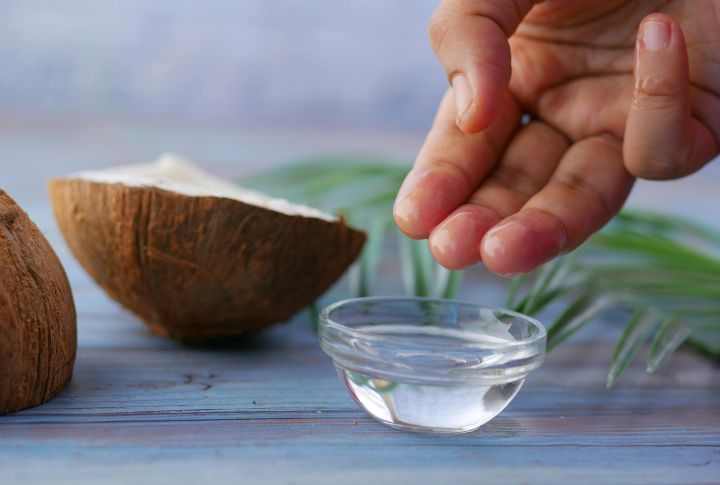
High in saturated fat, coconut oil has not been proven to improve heart health. While its tropical aroma and multipurpose use in beauty and cooking make it appealing, it doesn’t replace healthier fats. Relying on it excessively may increase cardiovascular risk rather than provide the benefits usually advertised.
Excessive Cardio Without Strength Training
Here’s what happens when you only do cardio: you build stamina while losing muscle strength. Your joints take unnecessary stress, and weightlifting gets ignored completely. Real fitness requires balance—strength exercises preserve muscle and support metabolism. Endurance alone won’t give you functional strength or long-term health.
Overhydrating Beyond Body Needs
Excessive water intake dilutes vital minerals in your system and leads to bloating and discomfort. Those stylish bottles with time stamps encourage overhydration rather than listening to your body’s signals. Moderation matters more than following arbitrary drinking schedules that ignore your actual thirst cues.
Skipping Meals To “Save Calories”
Skipping meals to cut calories completely backfires. You’ll crash energy-wise and overeat later. Your metabolism also gets disrupted, and hunger intensifies. Breakfast especially matters for fueling your day properly. Regular, balanced meals actually support sustained energy and better health than any deprivation strategy ever could.
Relying On Supplements Instead Of Whole Foods
Supplements miss the antioxidants and nutrient combinations that whole foods naturally provide. The convenient pills and tasty gummies create a false sense of adequate nutrition. Your body absorbs and uses nutrients from real food far more effectively than synthetic versions in bottles.
Choosing Low-Fat Packaged Foods
Low-fat products replace natural fats with added sugars and excessive processing to maintain appeal. The health halo from “reduced fat” labels masks higher sugar content and artificial ingredients. These foods often contain just as many calories while offering less satisfaction and worse nutritional profiles overall.