

 Emily Flores
History has a habit of tapping us on the shoulder, and sometimes it feels like it taps a little harder each time. Patterns reappear, and the same big choices circle back in new disguises. It’s almost eerie how familiar some turning points look when you step back. Keep reading because the patterns you’re about to spot say a lot about where we stand now.
Rome And America’s Democratic Struggles
Rome didn’t lose its republic in one dramatic moment. Power grabs piled up, norms thinned out, and citizens felt unheard. America has had similar debates about fairness and accountability. The tension on both timelines points to a familiar pattern that keeps resurfacing in different eras.
Napoleon And Hitler’s Russian Campaigns
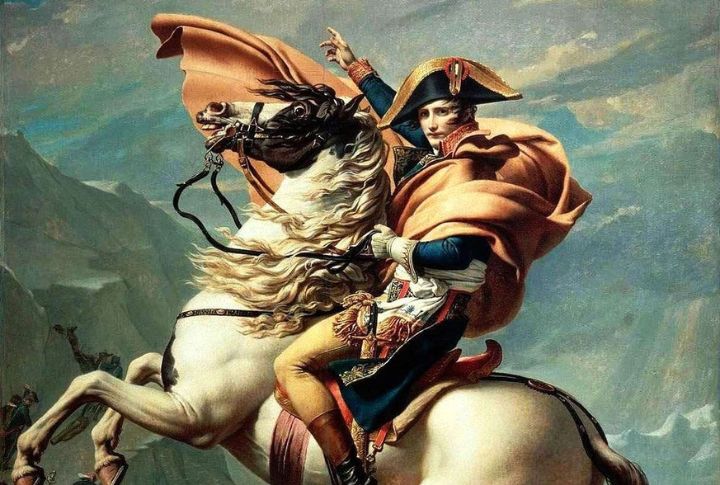
Two different eras produced leaders who misread Russian winters. Napoleon marched in during 1812 with troops hauling wine barrels for morale. Hitler repeated the mistake in 1941 as frozen fuel lines stalled his advance. Each campaign showed how ambition collapses when nature dictates the battlefield.
Pandemics Across Centuries
The Black Death hit medieval Europe with chaos that reshaped daily routines and public trust. COVID-19 pushed people into a comparable state as closures spread and families clung to simple habits for comfort. Both moments revealed how quickly societies scramble for control when an illness takes center stage.
Vietnam And Afghanistan Wars
If you study the tail end of long wars, you see why historians watch endings closely. Vietnam’s close in 1975 and Afghanistan’s in 2021 shared the same markers: exhausted support at home, rushed timelines, and unclear futures. Each withdrawal also left a footprint that shaped global opinion for years.
Spain’s Silver Wealth And U.S. Credit Bubbles
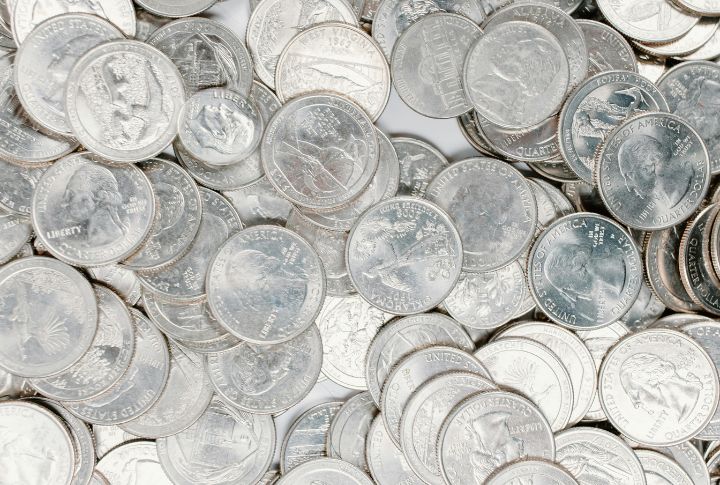
Inflation isn’t new. Spain saw prices surge when ships brought home massive silver hauls, expanding the money supply overnight. The United States later faced its own crashes when credit swelled too quickly. Different centuries, same lesson: rapid financial expansion carries a cost.
Constantinople And Kabul’s Collapse
Constantinople fell in 1453 after external forces isolated the city and weakened its political backing. Kabul’s collapse in 2021 showed the same vulnerability once support evaporated. This is a prime example of a city that relies on distant power can unravel fast when alliances shift, and defenses lose coordination, leaving residents without stability.
Crusades And Modern Middle East Conflicts
European forces marched toward Jerusalem in the 11th century, convinced divine authority justified their campaigns. Entire populations were uprooted as borders shifted. Today’s Middle Eastern conflicts echo those pressures through territorial fights and clashing beliefs. The region remains caught in battles shaped by old grievances and new ambitions.
Market Crashes Then And Now
Speculators drove prices far beyond real value in 1929, triggering bank failures and mass unemployment once the bubble burst. In 2008, reckless mortgage lending pushed the system to collapse, wiping out savings and jobs worldwide again. Different triggers, same cycle: inflated risk, ignored warnings, and millions paying the price when everything snapped.
Religious Upheavals
Political leaders sometimes underestimate what belief can ignite. Luther’s 1517 protest rearranged Europe’s religious order, and Iran’s 1979 revolution similarly redefined spiritual and social norms. Both moments warn that once people see faith as a vehicle for change, existing authorities struggle to hold their ground.
Assassinations That Shook Nations
Crises reveal how people react when certainty disappears. Caesar’s assassination in 44 BC destabilized Rome’s political order, and Kennedy’s death in 1963 stunned a public that relied on steady leadership. These shocks remind you that societies struggle when political transitions arrive brutally instead of gradually.