

 Emily Flores
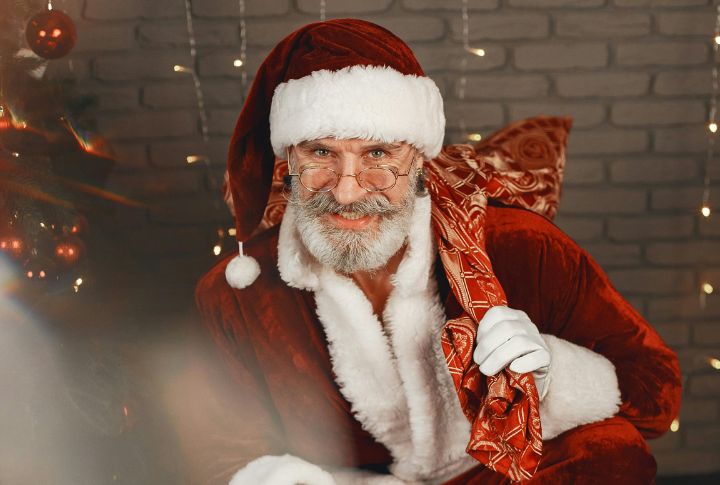
Holiday scenes glow with comfort, yet many seasonal habits began in places no one would guess. Their cheerful surfaces hide stories with far heavier shadows than the celebrations suggest. Settle in and enjoy a revealing tour through ten Christmas customs built on beginnings far darker than their modern sparkle suggests. A quiet surprise waits behind each one.
Kissing Under The Mistletoe
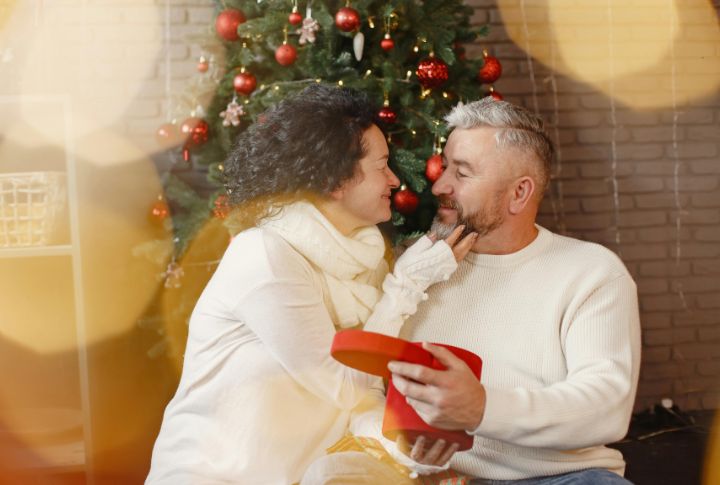
Priests once held mistletoe as a tool for pardoning criminals, and that authority gave the plant its early power. Forgiveness shaped its symbolism, which later sparked the kissing custom. Modern celebrations mostly treat it as romantic decor, even though its origin carried far heavier meaning.
Hanging Christmas Stockings
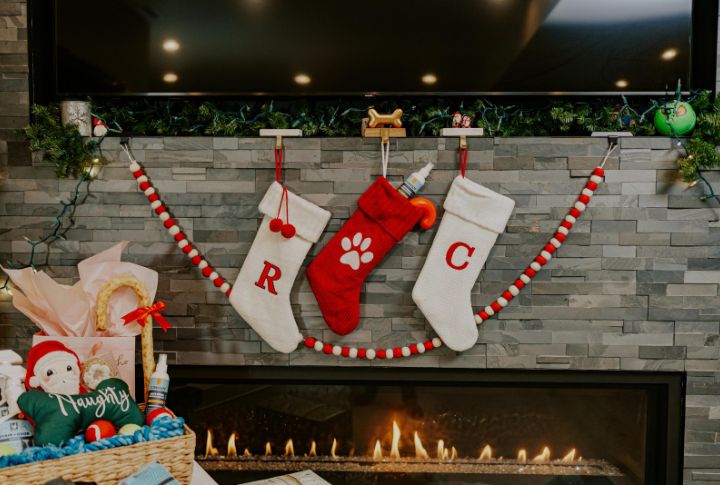
A quiet act of charity began the stocking tradition after St. Nicholas dropped gold into a poor family’s hanging stockings. That gift saved three daughters from poverty. The story shaped a custom that now fills stockings with candy and small presents instead of life-changing help.
Santa Entering Through The Chimney
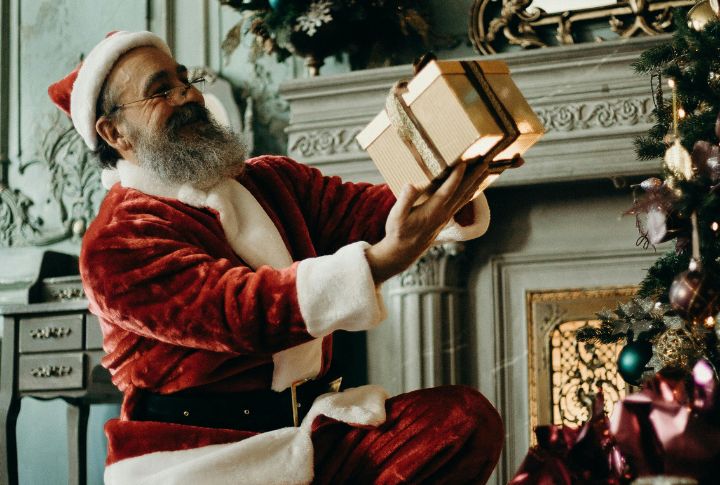
Long ago, people believed unusual visitors came through chimneys, and that idea later shaped Santa’s entrance. Old stories even described witches and goblins using the same path. In Pennsylvania, Belsnickel—a fur-covered enforcer—also came down chimneys to punish children who misbehaved.
Christmas Caroling
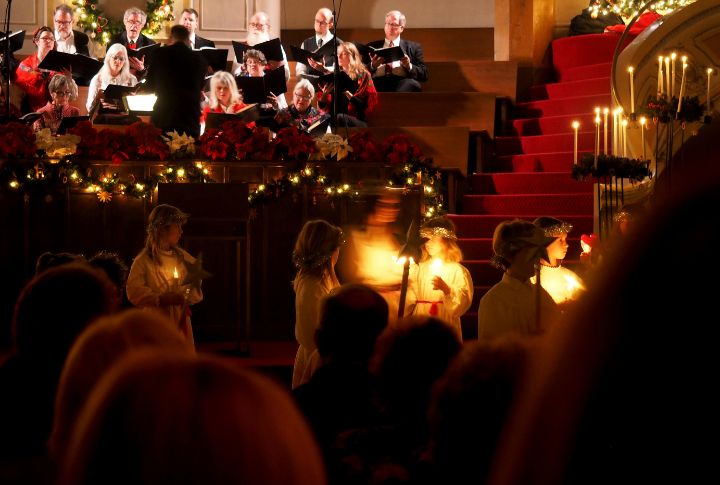
Some early holiday nights sounded less like music and more like intimidation as carolers went door to door demanding food and drink. Their chaos sometimes caused property damage. That rough past eventually softened, giving today’s caroling its friendly charm while leaving behind a rowdy origin.
Gingerbread Houses
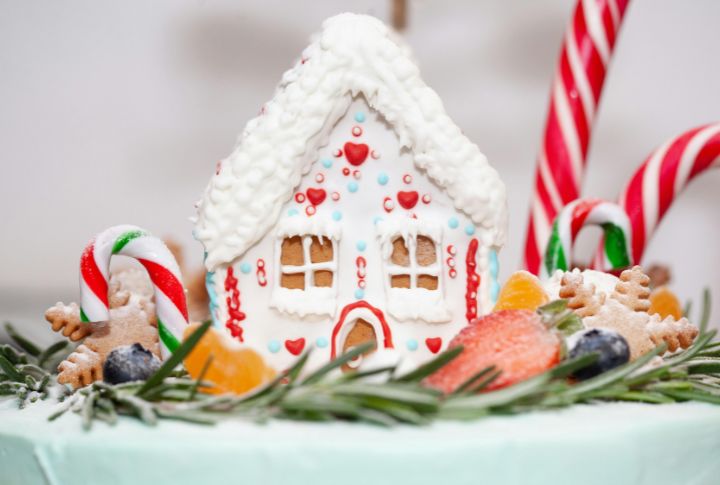
A tale of children facing a witch inside an edible home set the stage for the gingerbread house tradition. Hansel and Gretel introduced early versions made of bread and cake. Families later reshaped that grim spark into a cheerful activity that still nods to its eerie beginning.
Nutcracker Ballet
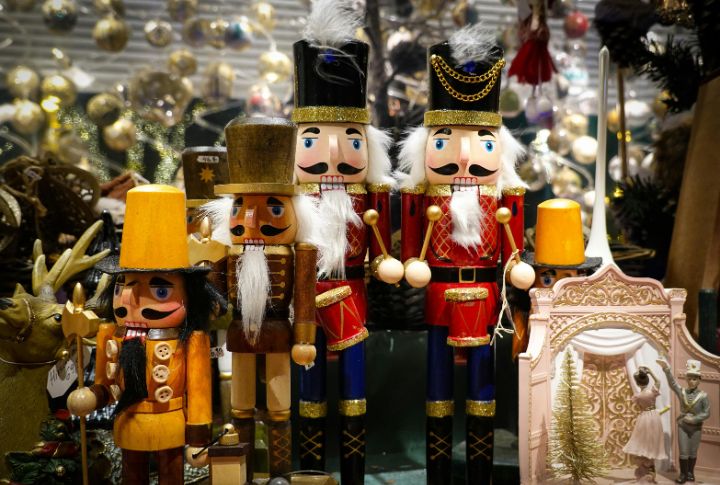
Holiday audiences rarely imagine how dark the source material once felt, yet Hoffmann’s “The Nutcracker and the Mouse King” delivered a story where a girl married a cursed nutcracker. The ballet removed those shadows and eventually spread worldwide as a gentler seasonal tradition.
Krampus
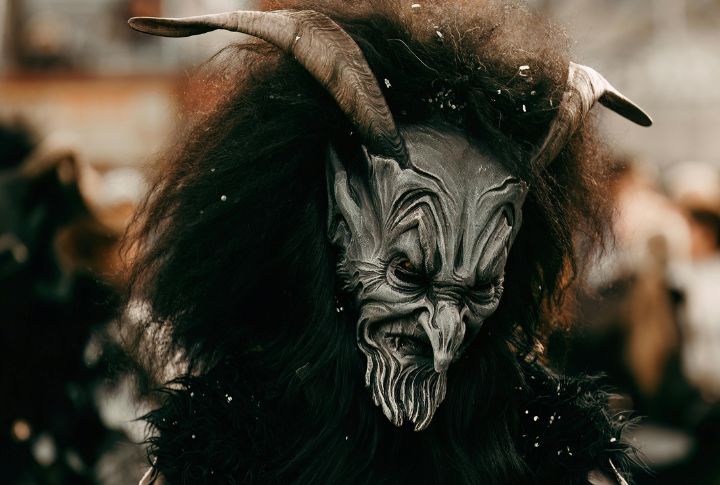
Winter at one point carried a far harsher watchdog than Saint Nicholas, and Alpine folklore answered that need with Krampus, a horned creature built to punish naughty children. December 5th became Krampusnacht, a night filled with costumed parades that keep the figure’s unsettling origin alive.
Mari Lwyd
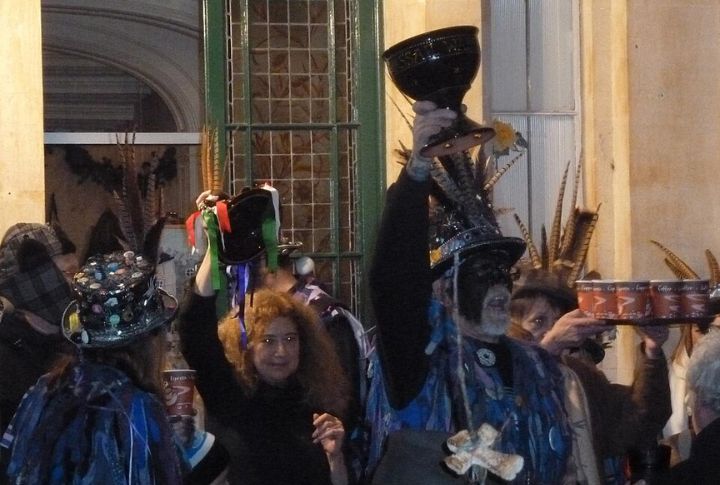
In Wales, a winter visit once came in the form of a horse skull carried through village streets, a tradition known as the Mari Lwyd. People now decorate the skull with flowers and lights. Moreover, no one knows the origin, which gives the custom its eerie charm.
Good King Wenceslas Carol
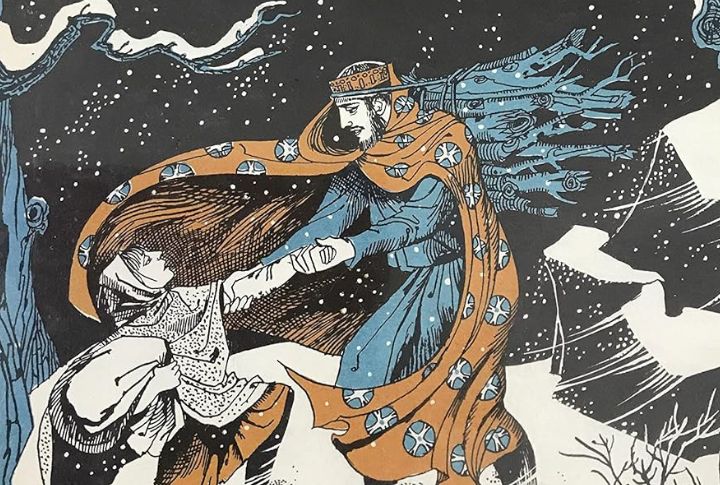
A cheerful melody hides a brutal past, because the carol’s hero, Wenceslaus I of Bohemia, died at the hands of his brother in 935 AD. The song praises his kindness during a snowstorm. Its bright tone contrasts sharply with the grim history behind it.
Yule Log (Or Yule Log Cake)
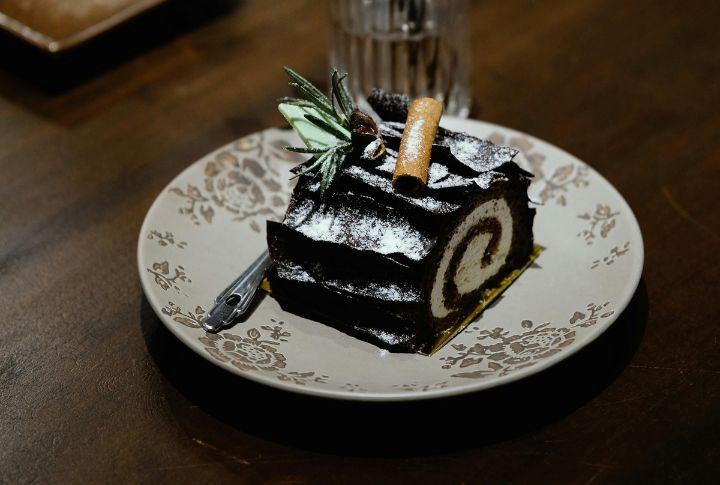
Winter households used to place a massive wooden log into the hearth to gain warmth and protection, giving the Yule Log its earliest purpose. That idea inspired the modern cake, which bakers shape to resemble a real log while keeping the tradition’s seasonal spirit intact.