

 Devin Jacobs
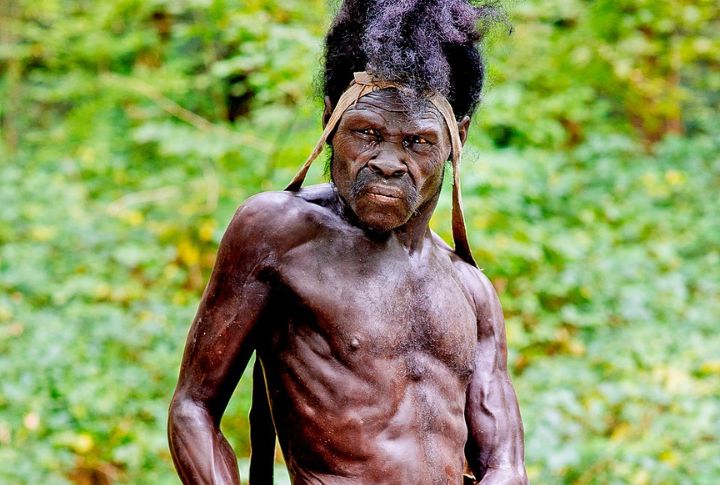
An ancient skull pulled from the ground has scientists buzzing, mostly because it hints at a world far more crowded and complex than anyone expected. Clues buried in its features raise new questions about who walked the planet long before recorded history. You’re about to explore just how surprising that world might have been.
Rediscovery Of A Crushed Fossil
The path to understanding began with misdirection, since the pieces resembled broken rocks rather than a skull. Only after detailed inspection in China did the fossil’s true age—about one million years—become clear. As with many celebrated finds, it gained a nickname, and its battered features reopened major evolutionary discussions.
The Yunxian Skull’s Long Journey
At one point, this fossil sat quietly on a shelf, its battered form offering too few clues to spark sustained interest. Specialists eventually returned to it as they recognized that old discoveries sometimes hold new value. With fresh eyes and refined methods, the once-ignored piece changed the conversation.
Central China’s River
Along a quiet river terrace in central China, a skull emerged from layers that naturally preserve ancient remains. Floods sometimes uncover hidden treasures, much like the stones children gather from riverbanks. These terraces act as deep timelines that reveal how the areas protect clues from worlds long vanished.
Overlapping Human Lineages In East Asia
Evidence from the skull hints that early humans didn’t experience East Asia in isolation; several lineages appear to have lived there simultaneously. You can imagine groups gathering around fires to exchange stories or skills. This possibility challenges the notion that ancient populations stayed neatly separated.
New Technology Reshaped Analysis

Reconstruction became possible only when modern tools were introduced. Technology exposed details invisible to past researchers, with 3D printers helping create models similar to the digital worlds kids build in games. These advances turned a once-mysterious fossil into a readable record of early human traits.
Three Species Coexisting
When evidence indicates three species overlapped for hundreds of thousands of years, the scope can feel almost unreal. Yet ecosystems have seen this before; dinosaurs thrived in layered communities, too. Think of how people and pets share space now, then imagine that interaction carrying evolutionary weight rather than companionship.
Comparative Studies With Homo Erectus And Early Homo Sapiens
Researchers now place the skull beside Homo erectus and early Homo sapiens, much like families compare resemblances across generations. Some fossils earn playful “grandparent” nicknames, and comparisons help trace shared features. These close examinations reveal where this specimen fits within the broader human story.
Migration And Adaptation Patterns
Movement across regions left its marks on ancient bones, and this fossil captures that story of travel and survival. It also reflects how early humans adjusted to new environments, much like people adapting to a different city or animals migrating for food.
Challenges In Interpreting Fragmentary Fossils
Fossils rarely arrive as perfect specimens; many come in fragments that challenge even the most seasoned researchers. Trying to interpret them can feel like working a puzzle without enough pieces. Yet, much like kids spotting shapes in broken shells, careful imagination helps each shard contribute to the broader evolutionary picture.
Rewriting Human Evolutionary Timelines
The moment a find alters the record, the evolutionary storyline gains another layer. This skull does exactly that by redirecting long-held interpretations of early humans. Like the way your school textbooks occasionally change with new information, research shifts too. It prompts deeper questions about how humanity’s earliest routes unfolded.