

 Devin Jacobs
Millennials get blamed for nearly everything these days, which makes you wonder how one generation supposedly toppled so much without even trying. The truth sits somewhere between playful exaggeration and cultural reshuffling, and the gap between those stories can be pretty entertaining. If you’re curious about the claims people toss around, you’ll want to check out what’s coming up next.
Casual Dining Chains
Walk into an old-school sit-down chain, and the crowd usually skews older. Millennials leaned into fast-casual spots and delivery apps instead, leaving places like Applebee’s and TGI Fridays with thinner crowds. Some even joke that these restaurants function as “parent date night spots.”
Traditional Marriage Rates
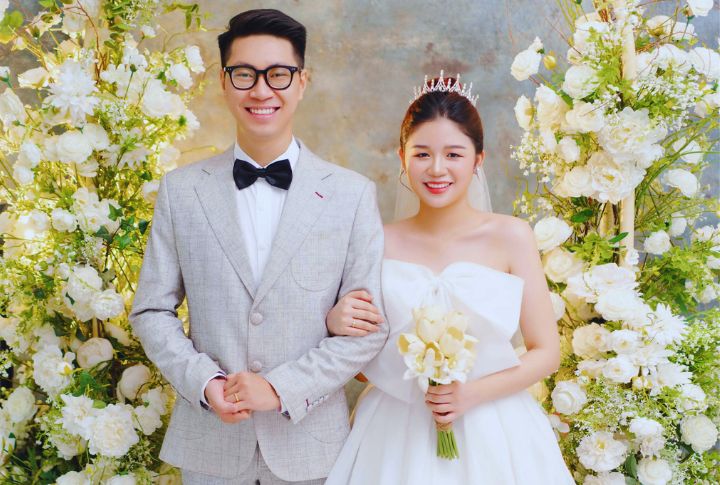
Pressure to marry young faded as millennials pushed back on major milestones. With that shift came a clear statistical drop in marriage rates. Meanwhile, themed celebrations grew popular, sometimes with pets trotting down makeshift aisles. Social media added humor, too, thanks to “marriage memes” that playfully tease expectations.
Homeownership Dreams
Stories about the classic starter home rarely match millennial reality. Many continue renting longer, and some critics claim that this trend weakens the traditional housing dream. At the same time, tiny homes captured imaginations, and a segment embraced van life journeys instead of signing long-term mortgages.
Department Stores
A glance at retail history shows millennials steering toward online carts rather than wandering mall corridors. That shift contributed to widespread closures at long-standing retailers like Sears and Macy’s. Nostalgic jokes about food courts and escalators now circulate widely, while pop-up shops bring a short-lived sense of excitement.
Diamond Engagement Rings
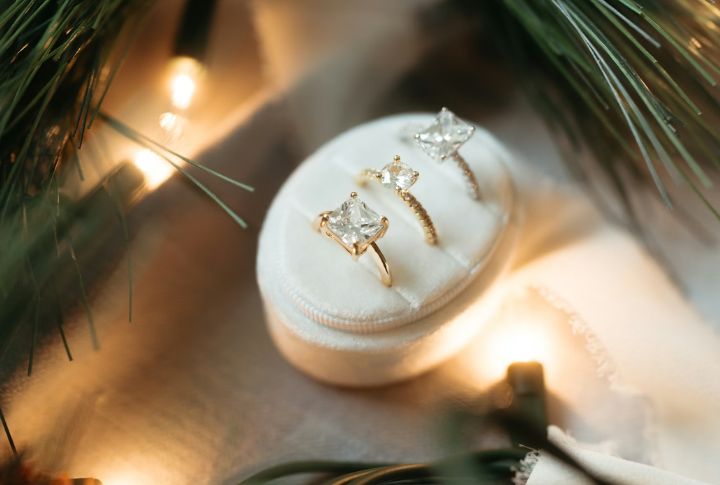
Jewelry counters noticed a different kind of sparkle disappearing as millennials skipped traditional diamond rings. Those choices helped push diamond sales downward. Colored gemstones became a favorite among those seeking standout designs, while vintage rings appealed to romantics seeking history and personality rather than standardized brilliance.
Cereal Sales
Breakfast took on a new rhythm when millennials stepped away from cereal bowls. Major brands reported falling sales as habits shifted toward options like overnight oats. Cereal didn’t vanish entirely, though. It found a second life for many as a late-night snack that fits easily between streaming episodes.
Napkin Industry
In many millennial homes, paper towels quietly replaced napkins without much discussion. That switch showed up in declining napkin sales across household categories. Cloth napkins still make appearances, but typically as decor at gatherings. Casual jokes circulate too, calling napkins “holiday-only items” because they rarely leave the drawer.
Casual Dress Codes
Office culture changed when millennials walked in wearing jeans and sneakers. The shift softened long-standing expectations, pushing formal attire into the background. Hoodies became shorthand for startup energy, and some workplaces leaned into the relaxed mood so fully that occasional pajama days became lighthearted morale boosters.
Motorcycle Culture
Dealerships saw the gaps forming as millennials purchased fewer motorcycles than older generations once did. Harley-Davidson felt the impact most visibly. Urban habits played a role, with electric scooters weaving into commutes and gaining popularity. Some riders even put energy into custom bicycle projects instead.
Golf Industry
Membership rolls dipped as millennials gravitated toward activities with lower costs and fewer rules. The downturn contributed to course closures across the country. Yet mini-golf remains a cheerful standby, and frisbee golf and adventure-style outings fill calendars for those seeking active time outdoors.