

 Emily Flores

Powerful leaders share something invisible yet unmistakable. It’s not charm or status—it’s a pattern of choices that change everything around them. The difference can’t be taught in a manual; it’s felt in how they lead, decide, and listen. Most bosses skip it entirely. Here are ten behaviors that set the great ones apart and reshape what leadership actually means today.
Actively Seeking Feedback From All Levels
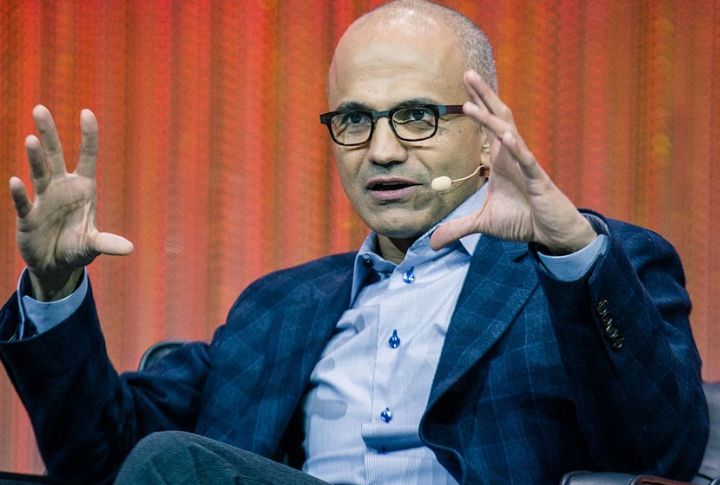
At Microsoft, Satya Nadella turned criticism into collaboration through open “growth mindset” sessions. Great leaders follow that lead, inviting feedback from every level instead of fearing it. Creating safe spaces for honesty strengthens teams, while bosses who avoid it trade progress for pride.
Prioritizing Long-Term Vision Over Short-Term Wins
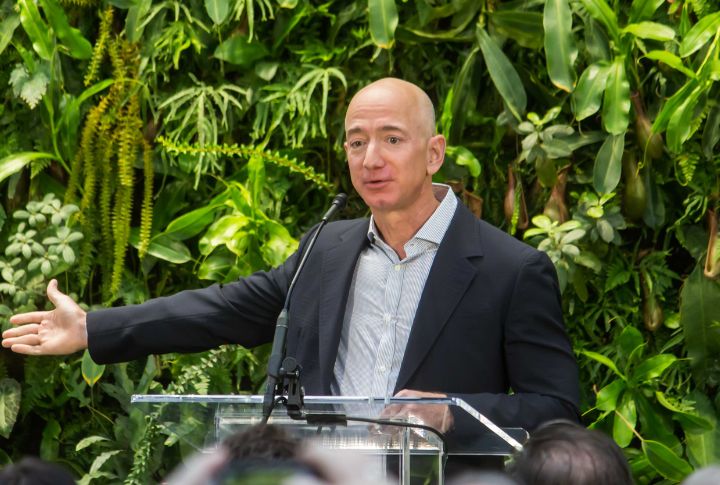
Some leaders obsess over tomorrow’s report; visionary ones plan for decades. By aligning short-term actions with lasting goals, they build innovation that endures. Jeff Bezos proved it by betting on customer loyalty long before profits ever showed up.
Empowering Teams Through Genuine Delegation
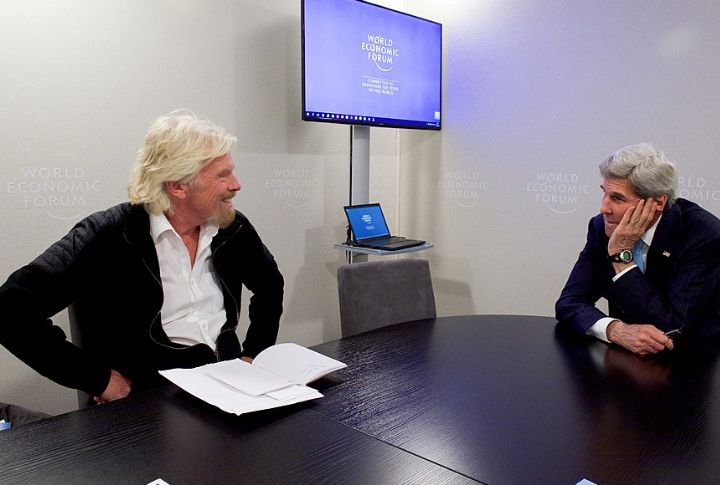
When Richard Branson let his team run Virgin’s next big idea, he gained trust. True leaders delegate to match people’s strengths, sparking creativity and confidence. Micromanagers, meanwhile, clutch control so tightly that progress slips right through their fingers.
Cultivating Emotional Intelligence In Decision-Making
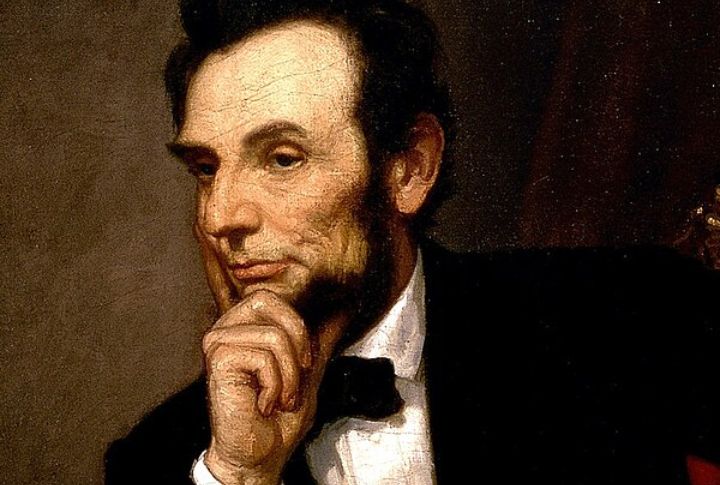
Abraham Lincoln led with empathy long before “emotional intelligence” had a name. Leaders who balance emotion with reason handle pressure gracefully and make ethical choices that last. Their emotional steadiness builds unity—something bosses chasing data alone rarely manage to inspire or maintain.
Mentoring Others Without Expecting Reciprocity
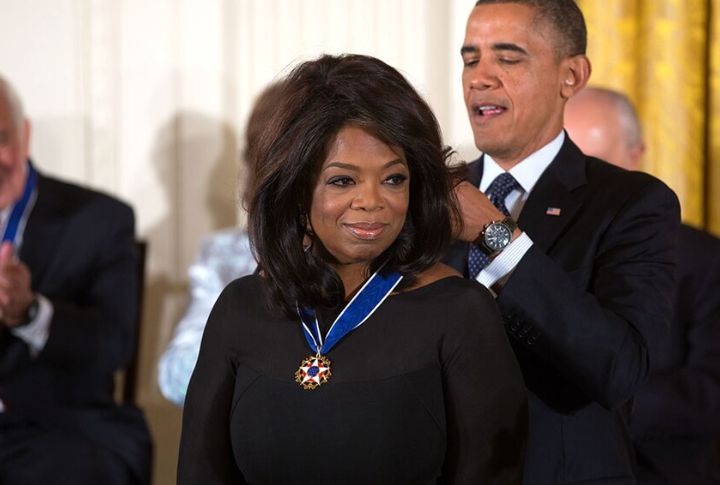
The best mentors don’t keep score. Oprah Winfrey symbolizes that spirit, mentoring young leaders who, in turn, inspire her. Leaders who share wisdom freely cultivate growth across generations, while those expecting returns miss the joy of watching others rise beside them.
Encouraging Calculated Risks And Learning From Failures
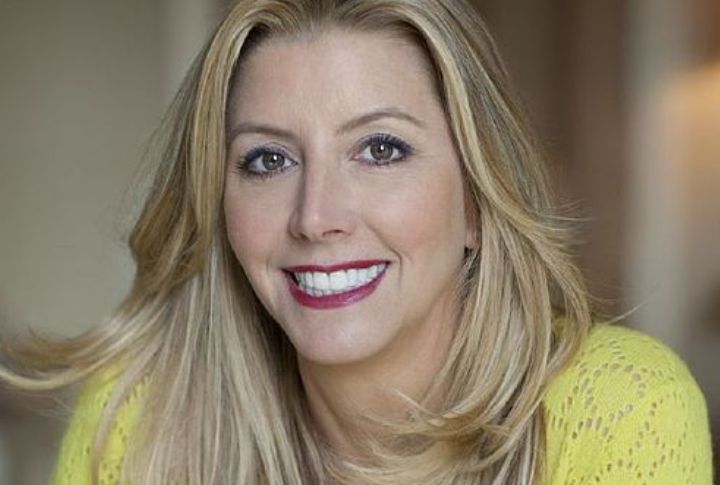
A team that’s free to fail is free to invent. Leaders who embrace that mindset transform setbacks into growth, as Microsoft did under Nadella. Sara Blakely’s “failure dinners” echoed the same lesson—celebrate risks, learn quickly, and never confuse comfort with success.
Balancing Ambition With Ethical Integrity
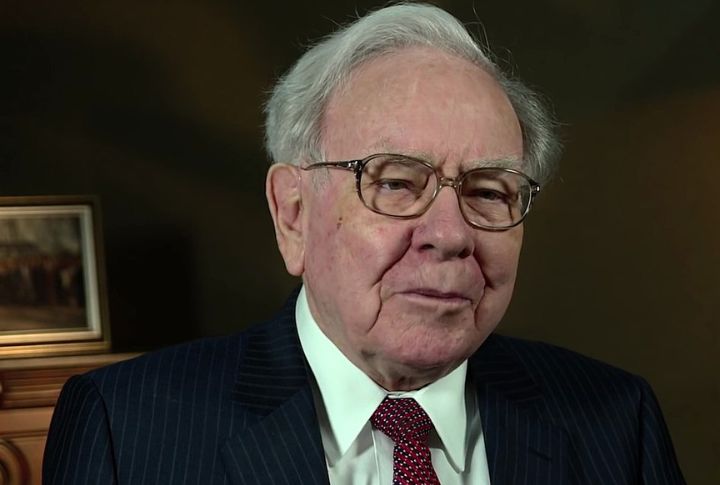
Some chase success; others define it by how they achieve it. Ethical leaders let values steer ambition, even when shortcuts tempt them. Warren Buffett’s “newspaper test” captures it best: if your actions appeared in print tomorrow, would pride or regret follow?
Fostering Inclusive Environments Beyond Compliance

Innovation thrives where people feel seen. Inclusive leaders don’t stop at meeting policies—they build spaces where differences drive ideas forward. Google’s Project Aristotle proved that psychological safety powers top teams. Bosses who treat inclusion as a checkbox rarely discover what diverse thinking can create.
Promoting Work-Life Harmony For Self And Team

Imagine a boss who leaves on time and means it. Leaders who honor rest normalize balance for everyone else. Arianna Huffington learned that after collapsing from exhaustion, and turned recovery into policy. Boundaries don’t weaken teams; they sustain the energy great work demands.
Investing In Personal Continuous Learning

Bill Gates isolates himself twice a year for “Think Weeks,” proving learning never ends at the top. Leaders who keep studying stay sharp, inspire curiosity, and lead by example. Those who stop evolving hand the future to someone still eager to learn.