

 Emily Flores

Relying on one income used to feel manageable, but today’s economy tells a different story. Many husbands feel the weight of providing more heavily than they admit, and that pressure affects far more than monthly expenses. It’s simply the truth they live with every day. And if you want to understand their perspective, here’s what husbands might not say out loud.
Every Financial Conversation Turns Into A Source Of Tension
With one income, discussions about budgeting or future plans can quickly become emotionally charged. Husbands may dread these conversations because they highlight limitations rather than possibilities. What should be collaborative planning starts to feel like constant negotiation, increasing conflict, and reducing emotional connection.
Inflation Outpaces Most Salaries
Housing, groceries, childcare, and healthcare costs climb faster than paychecks ever will. One income struggles to cover what used to be manageable expenses just years ago. Stability requires sacrificing essentials or going into debt regularly. The math simply doesn’t work anymore when everything costs more, but earnings stay relatively flat across most industries.
Retirement And Savings Take A Massive Hit
Another problem with only one income is that retirement funds and emergency savings grow painfully slowly. Long-term goals like homeownership or a comfortable retirement get delayed indefinitely. Future financial insecurity increases while investment opportunities disappear. Building wealth becomes nearly impossible when every dollar goes toward immediate survival.
Losing A Second Income Shrinks The Safety Net
Unexpected expenses like medical bills or sudden layoffs hit harder without backup. Dual-income homes have a cushion to absorb shocks, while single-income families face immediate vulnerability. One emergency can derail months of careful budgeting instantly. The absence of a financial buffer turns manageable problems into genuine crises that create lasting stress.
Personal Goals Get Put On Hold Indefinitely
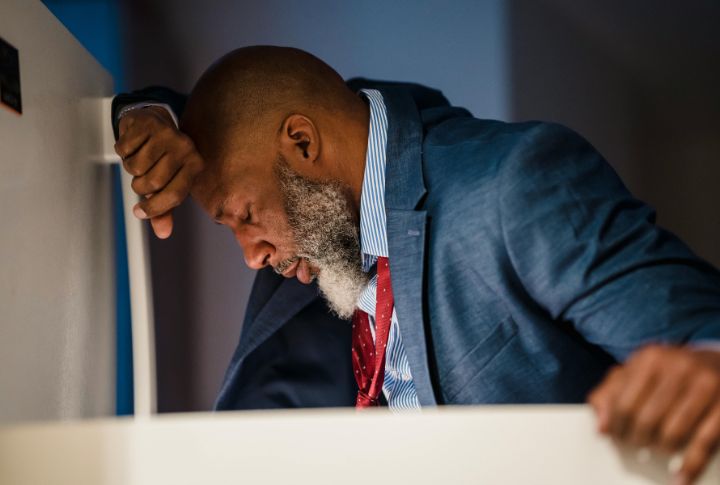
From the husband’s perspective, becoming the only earner often means sacrificing dreams he once hoped to pursue—higher education, career changes, travel, hobbies, or passion projects. The pressure to maintain financial stability forces personal ambitions to the background, which creates frustration and a sense of losing identity outside of providing.
Emotional Load On The Sole Provider Intensifies
Hidden stress accumulates daily—fear of failure and pressure to always provide. Financial strain transforms into emotional strain that partners rarely discuss openly. The mental burden of being solely responsible creates anxiety that doesn’t disappear when bills get paid. This invisible weight affects relationships, health, and overall happiness in ways people underestimate.
Household Dynamics Can Become Unbalanced
When only one person earns, decision-making power and expectations shift in potentially unhealthy ways. Husbands fear these imbalances happening unintentionally, where financial contribution determines influence. Resentment can build on both sides without either partner meaning for it to happen. Equality becomes harder to maintain when money creates invisible hierarchies within the relationship itself.
Child-Related Costs Continue To Skyrocket
Education, activities, medical care, and daily necessities cost exponentially more than previous generations paid. Raising kids without two incomes pushes families toward debt or forces significant lifestyle sacrifices. Parents want to provide opportunities, but financial limitations create guilt and disappointment that strain everyone involved.
Lifestyle Quality Declines Faster Than Expected
Shifting to one income forces immediate cutbacks—fewer outings and reduced comforts. The drop in lifestyle quality happens quickly than either partner anticipates or prepares for emotionally. Small luxuries disappear first, then necessities get scrutinized. This decline creates tension and frustration that builds silently, straining the relationship long before anyone addresses it directly.
Economic Uncertainty Makes Stability Fragile
Recessions, layoffs, industry changes, and automation make job security feel like an illusion now. Being the sole provider means the entire family’s stability depends on one position remaining secure. Husbands worry constantly that losing employment puts everyone at immediate risk. The fragility of modern employment makes single-income households feel like walking a tightrope without a net.