

 Johann Hunt
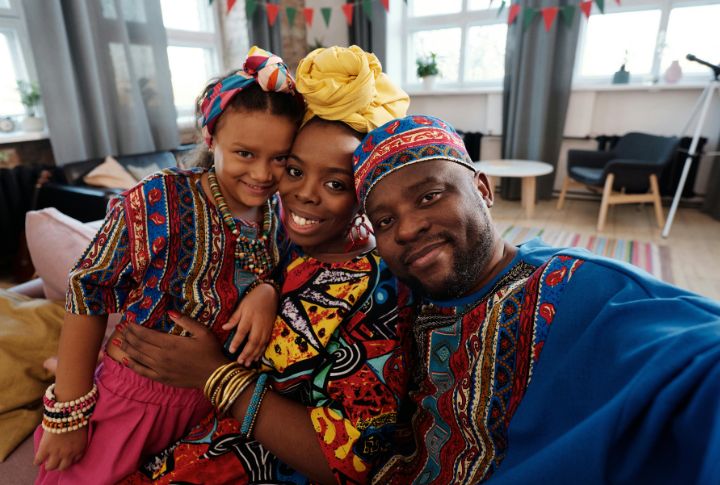
Talk to non-Black relatives about Kwanzaa, and you’ll hear a long list of myths delivered with complete confidence. These ideas stuck around long enough to feel official, even though none accurately reflect the holiday. Step through the biggest misconceptions they lean on and watch how quickly each one unravels when placed beside real context.
Kwanzaa Replaces Christmas Or Hanukkah
Check the calendar, and the mix-up makes sense. Kwanzaa comes right after Christmas, so some non-Black generations jump to the idea of substitution and picture families dropping long-standing traditions. The holiday never asks anyone to make that switch, which is why the rivalry they expect doesn’t appear in actual celebrations.
Kwanzaa Is A Religion
A lot of outsiders assume Kwanzaa works like a faith and picture sermons, doctrine, or religious rules tied to it. They miss that it’s a cultural celebration instead of a spiritual system. That early assumption shapes their entire view, and once it sticks, they handle the celebration as though it demands worship.
Kwanzaa Is An Ancient African Tradition
Plenty of non-Black observers picture Kwanzaa as something preserved from distant centuries, imagining rituals passed through generations unchanged. The holiday’s modern origin is often skipped entirely, replaced by a timeline that feels impressive. That imagined age grows out of symbolic elements, and once accepted, the myth overshadows the holiday’s actual creation in 1966.
Kwanzaa Is Only For Africans Abroad
Kwanzaa’s roots sit in the United States, not overseas, yet many outsiders still speak about it as if only Africans abroad can claim it. Once they turn birthplace into a requirement, the misunderstanding spreads easily and reshapes the season into something that no longer reflects its real beginning.
Kwanzaa Is Just A Decoration Ritual
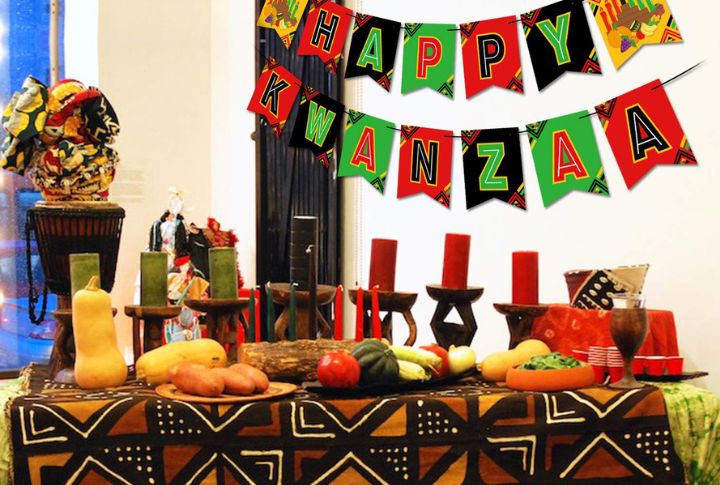
Some non-Black generations reduce Kwanzaa to candles, colors, and table displays, treating the entire celebration as an arrangement of objects. The items carry meaning, but that part gets lost when people only see the visuals. Once the symbols stand alone in their understanding, they describe Kwanzaa as decorative rather than reflective.
Kwanzaa Is Only Celebrated By Radicals
A portion of outsiders still associate Kwanzaa solely with activism, imagining the holiday as something reserved for people with strong political stances. Widespread participation doesn’t factor into their view, so the idea stays narrow. Community-focused language becomes their cue for protest, and everyday families disappear entirely in the version they continue repeating.
Kwanzaa Is A “Made-Up” Holiday
The moment some outsiders hear Kwanzaa has a founder and a clear start date, they label it manufactured. Many long-standing holidays share similar beginnings, yet that comparison rarely comes to mind. Creation then becomes a shortcut for “not real,” and the holiday gets dismissed instead of being recognized as a purposeful cultural observance.
Nobody Celebrates Kwanzaa Anymore
Ask certain non-Black generations about Kwanzaa, and they will confidently declare it forgotten. Their conclusion stems from limited exposure, not reality. When celebrations don’t appear in their own environments, they assume their absence everywhere. That assumption spreads easily, even while the season continues in homes, schools, and community gatherings each year.
Kwanzaa Is Political Or Separatist
Some non-Black generations approach Kwanzaa as if it’s built around political messages or demands for isolation. The holiday itself isn’t structured that way, yet unfamiliar terms give the impression of an agenda. This reading persists because they expect cultural events to sit within political debates, even when that interpretation doesn’t align with the celebration.
Kwanzaa Is Anti-Christian Or Anti-Religion
Another common misconception paints Kwanzaa as hostile toward faith communities. Outsiders repeat this after assuming any nonreligious holiday must oppose religion entirely. Once that idea forms, they stop checking how it interacts with existing beliefs. Their version frames Kwanzaa as a challenger, even though nothing in the holiday supports that narrative.