

 Bruno Pugh
History feels solid until you realize most of what you “know” is actually made up. Myths and half-truths have sneaked into popular stories for centuries, shaping what we think we remember. Some of the facts you’ve been repeating could be completely wrong. So let’s talk about the eye-opening history myths you’ve been believing.
Napoleon Was Extremely Short
People usually think Napoleon was tiny, but he was actually of an average height. The confusion began because French and English measurements didn’t match, which made his recorded height seem odd. Even his nickname, “Le Petit Caporal,” meaning “The Little Corporal,” also misled people, as many assumed it referred to his size.
The Emancipation Proclamation Freed Every Enslaved Person
Despite popular belief, the Emancipation Proclamation, a presidential decree signed by Abraham Lincoln amid the Civil War, failed to instantly end slavery. It applied only to states in rebellion, thereby leaving Union-controlled areas untouched. Many enslaved individuals gained freedom only when Union troops arrived, making it an important step toward abolition, not the final act.
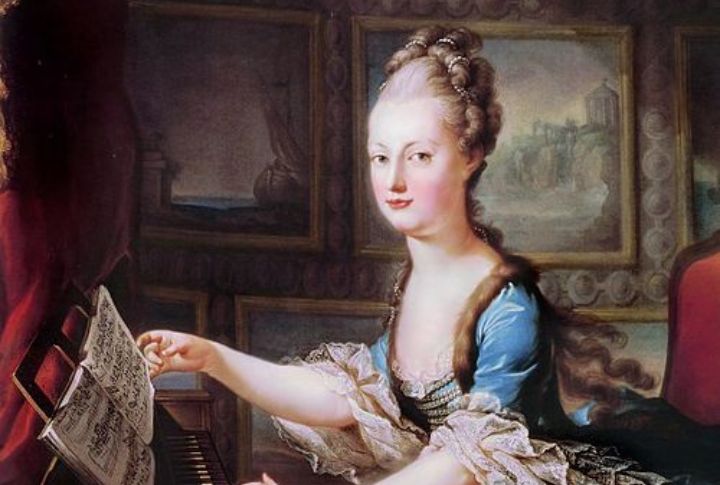
Marie Antoinette Said, “Let Them Eat Cake”
“Let them eat cake” existed long before Marie Antoinette, who ruled France just before the French Revolution, and wasn’t actually her saying. This likely criticized the nobility and highlighted the disconnect between the wealthy and the poor. Contrary to the myth, she devoted time and resources to helping the impoverished.
The Great Wall Of China Is Visible From Space
The Great Wall of China served as a defense barrier against invading forces, yet its width makes it impossible to spot from space without aid. Even astronauts confirm this. Despite its massive length, stretching thousands of miles, its size is dwarfed by the Earth’s surface.
Salem Witches Were Burned At The Stake
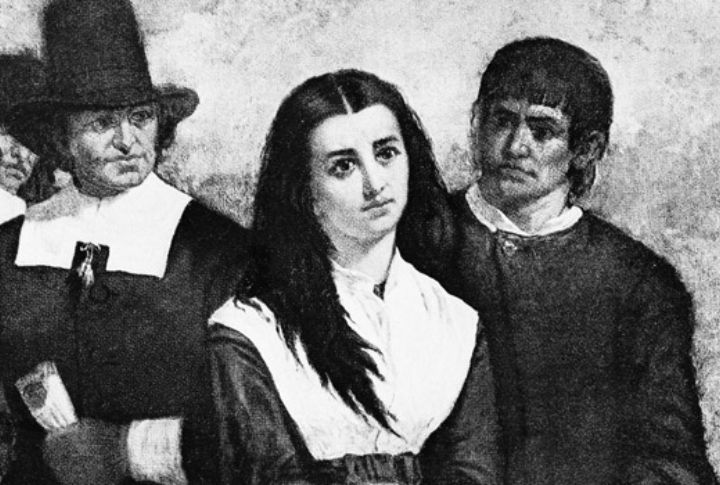
In Salem, Massachusetts, witches weren’t burned—they were hanged, and one man was killed by pressing, a brutal method where heavy stones were placed on his chest until he passed away. Fear and superstition gripped the town, driving mass hysteria. Over time, officials admitted their errors and halted the trials.
George Washington Had Wooden Teeth
George Washington, the first President of the United States, had dentures crafted from ivory, metal, and occasionally human or animal teeth. They caused him lifelong discomfort and dental struggles, and made his face appear fuller in portraits. Historical records show these materials, thereby dispelling the myth that his teeth were wooden.
Vikings Wore Horned Helmets
Vikings actually wore simple, hornless helmets. The idea of horned helmets first appeared in 19th-century stage productions and operas, where costume designers added horns to make Viking characters look more dramatic and fearsome. Although impractical for combat, this exaggerated image became widely recognized and influenced how people imagine Vikings today.
Vikings Didn’t Call Themselves Vikings
The word “Viking” wasn’t a group identity at all. It described the act of going on a sea raid, not the people themselves. Those we now call Vikings were Norse traders, farmers, and explorers who occasionally went “viking.” The modern label oversimplifies a much more complex culture.
Cleopatra Was Egyptian
Although Cleopatra ruled Egypt, she was of Greek descent, belonging to the Ptolemaic dynasty—a Greek family that took control of Egypt after Alexander the Great. She learned Egyptian and other languages and used her intelligence and political skills to maintain power. The misconception that she was ethnically Egyptian ignores her Hellenistic roots.
Medieval People Thought The Earth Was Flat
Medieval scholars understood the Earth was round and even calculated its approximate size using astronomy. Sailors relied on this knowledge to explore distant seas safely. Surprisingly, many medieval textbooks and star charts show a spherical Earth, proving that the popular idea of widespread flat-Earth belief in the Middle Ages is false.