

 Emily Flores
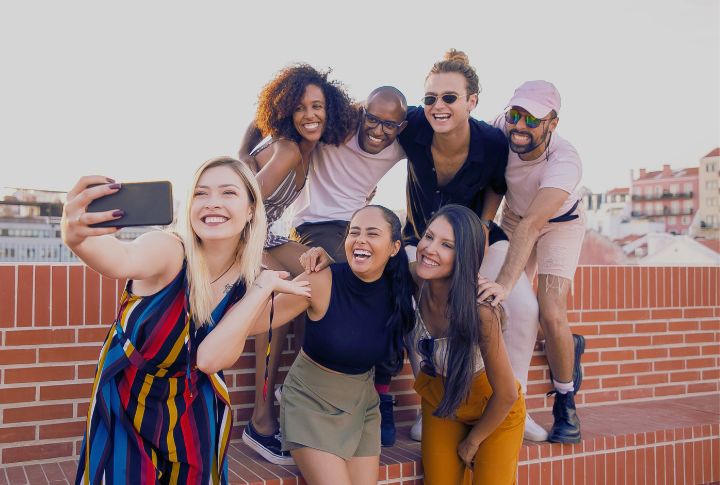
Walk into a cafe in Seoul or Phoenix and you’ll hear the same pop beats, see the same sneakers, and smell the same caramel syrup warming in the air. Cities thousands of miles apart suddenly share the same vibe. People notice it, and some feel uneasy about how quickly local flavor fades. You may wonder what’s driving this shift and why the pace feels faster than anything you grew up with. Keep reading, because the signs are everywhere and they’re hard to ignore.
Shared Trends Spread Faster Than Ever
Music charts in different countries now overlap more than at any time in modern history. In 1999, only a handful of global hits topped multiple national charts. Today, a single track can reach listeners in more than 70 countries within hours because streaming platforms push the same curated playlists to millions. That reach changes how local scenes grow, and it shapes what younger generations hear daily.
Connecting this to daily life, you see the same effect in television. The rise of “Squid Game” and “Money Heist” showed how streaming algorithms erase borders by promoting series with universal hooks. You might hear someone in Texas talking about a cliffhanger at the same time as someone in Singapore. Shared entertainment becomes shared reference points, which starts to shrink cultural distance.
Brands Pull Cities Into The Same Style
Travelers describe a strange feeling when they notice the identical store layouts from New York to Dubai. Global retail giants repeat the same lighting, scents, and display patterns because those designs increase sales per square foot. The more those stores expand, the more cities take on familiar shapes that blur geographic character.
That pattern extends to food. Over the past decade, fast-casual chains have opened in more than 100 countries with nearly identical menus. A burger that tastes the same in Prague and Los Angeles gives comfort, but it also flattens regional flavors that once marked a place. As tastes align, traditional dishes risk getting pushed to the edges of daily life, replaced by meals built for mass appeal.
Local Customs Feel Pressure
Here are some places where you feel the squeeze most clearly:
1. Seasonal Events — Regions fold in new celebrations promoted through global campaigns, which changes how communities mark the calendar.
2. Daily Style — Casual American fashion fills storefronts from Miami to Manila.
3. Speech Patterns — Fast-moving memes spread phrases so quickly that teen vocabulary shifts within a single semester.
These shifts echo through communities. Long-standing customs survive, but they compete with messages that travel faster than any local tradition can. Families find themselves balancing cherished rituals with trends that spread through every feed you scroll.
Why The Blending Raises Concerns
The fear doesn’t come from novelty. It comes from the worry that small cultural threads disappear quietly. UNESCO lists more than 3,000 endangered languages, and linguists warn that global media accelerates that loss. When a language fades, stories, humor, and history fade with it. You lose the sounds and textures that once gave identity to a place.
And that brings everything full circle. Global culture brings connection, but it also asks you to think about what’s worth keeping alive. Pay attention to the details you love in your own community. Supporting them keeps the world interesting, and it keeps those familiar comforts from slipping away unnoticed.